Alzheimer's Drugs: Exelon, Reminyl, Donepezil, Aricept Review
Alzheimer's Drugs: Exelon, Reminyl, Donepezil, Aricept Review
Understanding Alzheimer's Disease and Pharmacological Interventions
Alzheimer's disease (AD) represents the most common form of dementia, a progressive neurological disorder that gradually impairs memory, thinking, and behavior. Characterized by the accumulation of amyloid plaques and neurofibrillary tangles in the brain, AD significantly affects cognitive function over time. While there is currently no cure, several medications have been approved to manage symptoms and slow the progression of cognitive decline in affected individuals.
The Role of Cholinesterase Inhibitors
The primary class of drugs used to treat mild to moderate Alzheimer's disease are cholinesterase inhibitors. These medications work by preventing the breakdown of acetylcholine, a neurotransmitter vital for memory and learning. By increasing the levels of acetylcholine in the brain, these drugs can temporarily improve cognitive function and daily living activities for some patients.
Key Medications in Symptomatic Treatment
Several active pharmaceutical ingredients fall under this category, each with slightly different properties and applications in managing AD symptoms. Understanding these options is crucial for comprehensive patient management strategies developed by healthcare professionals.
Exelon: Addressing Mild to Moderate Stages
One important medication in this therapeutic class is Exelon. Marketed globally under various names, Exelon contains the active ingredient rivastigmine. It is available in capsule, oral solution, and transdermal patch formulations, offering flexibility in administration depending on the patient's needs and tolerance.
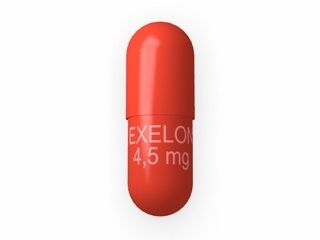
Rivastigmine acts as both an acetylcholinesterase and butyrylcholinesterase inhibitor, potentially offering a broader mechanism of action compared to some single-target inhibitors. Its use is primarily directed toward managing the cognitive symptoms associated with Alzheimer's disease.
Reminyl: Galantamine's Contribution
Another frequently discussed agent is Reminyl, which contains the active substance galantamine. Reminyl is another cholinesterase inhibitor used in the symptomatic treatment of mild to moderate Alzheimer's disease. It is often prescribed in tablet or extended-release capsule form.
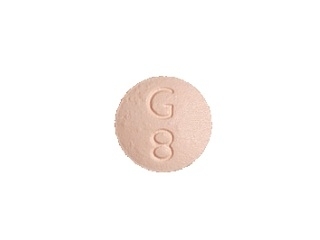
Galantamine is known for its dual mechanism: inhibiting acetylcholinesterase and modulating nicotinic receptors, which may contribute to its overall effect on cognitive pathways relevant to the disease process.
Donepezil: A Widely Recognized Standard
The compound Donepezil is a cornerstone in the pharmacotherapy landscape for Alzheimer's. This acetylcholinesterase inhibitor is approved for the treatment of mild, moderate, and even severe AD. Donepezil is highly selective for acetylcholinesterase.

It is typically administered once daily, which contributes to its ease of use in long-term care settings. Its efficacy in stabilizing or slowing the decline in cognitive scores is well-documented across numerous clinical trials focusing on AD progression.
Aricept: The Brand Name for Donepezil
It is important to note the relationship between Donepezil and one of its most recognized brand names, Aricept. Aricept contains the active ingredient donepezil hydrochloride and is perhaps one of the most prescribed medications for managing Alzheimer's symptoms globally.

Since its initial approval, Aricept has remained a standard of care option for healthcare providers managing patients across the spectrum of cognitive impairment related to Alzheimer's disease.
NMDA Receptor Antagonists: Beyond Cholinesterase Inhibition
As the disease progresses into moderate to severe stages, a different class of medication often becomes relevant. While cholinesterase inhibitors focus on cholinergic pathways, NMDA receptor antagonists target glutamate, another critical neurotransmitter involved in learning and memory. Excessive glutamate activity can lead to excitotoxicity, potentially damaging nerve cells.
Memantine and Advanced Disease Stages
Though not listed explicitly in the primary group above, drugs like memantine often complement cholinesterase inhibitors in later stages of AD. This combination therapy aims to provide a multi-faceted approach to managing the complex pathophysiology associated with advanced cognitive decline.
Summary of Pharmacological Approaches
The management strategy for Alzheimer's disease relies heavily on pharmaceutical intervention aimed at symptomatic relief. Medications such as Exelon, Reminyl, and Donepezil (also known by the brand name Aricept) utilize cholinesterase inhibition to enhance neurotransmitter availability in the brain, offering potential short-term benefits in cognitive performance for patients dealing with the progressive nature of this challenging disorder.