Understanding Men's Health Drugs: Androxal, Poxet, Flomax, Testosterone Topical
Understanding Men's Health Drugs: Androxal, Poxet, Flomax, Testosterone Topical
Understanding Men's Health: A Comprehensive Overview
Men's health is a multifaceted domain encompassing a wide range of physical, mental, and emotional well-being concerns specific to the male population. It's a critical area of healthcare that addresses unique biological differences, lifestyle factors, and age-related changes that can impact men's lives. This article delves into key aspects of men's health and explores several commonly discussed pharmaceutical options that may be relevant to specific concerns.
The Evolving Landscape of Men's Health
Historically, men's health has often been overlooked compared to women's health initiatives. However, there's a growing recognition of the distinct health challenges men face, from cardiovascular disease and certain cancers to issues related to reproductive health and hormonal changes. Proactive engagement with healthcare providers and a better understanding of available health resources are crucial for men to lead healthier, longer lives.
Common Areas of Focus in Men's Health
Several common health concerns frequently appear in discussions about men's well-being. These include, but are not limited to, prostate health, sexual function, cardiovascular health, mental health, and the management of age-related hormonal shifts. Addressing these areas often involves a combination of lifestyle modifications, regular medical check-ups, and, in some instances, pharmaceutical interventions.
Exploring Pharmaceutical Options in Men's Health
The pharmaceutical industry offers various products that aim to address specific health challenges faced by men. It is important to note that any discussion of these medications is for informational purposes only and does not constitute medical advice. Always consult with a qualified healthcare professional for diagnosis and treatment recommendations.
Addressing Concerns Related to Sexual Health and Function
Sexual health is a significant component of overall well-being for many men. Issues such as erectile dysfunction and premature ejaculation can have a profound impact on quality of life and relationships. Several medications are designed to help manage these conditions.
Understanding Treatments for Erectile Dysfunction
Erectile dysfunction (ED) is a common condition characterized by the inability to achieve or maintain an erection sufficient for satisfactory sexual performance. Several oral medications are available to assist men with this condition. One such medication is Androxal. While specific mechanisms of action can vary, these types of drugs generally work by increasing blood flow to the penis, facilitating an erection.
Another class of medications addresses different aspects of sexual health. For instance, Poxet is a widely discussed option. Its primary use is often associated with the management of premature ejaculation, a condition where ejaculation occurs sooner than desired. Understanding the specific indications and how these medications function is key for informed discussions with healthcare providers.

It is worth noting that Poxet, as mentioned previously, is a specific product often considered for issues related to ejaculation control. The availability and specific formulations can differ across regions and regulatory approvals.
Managing Urinary Symptoms Associated with Prostate Health
As men age, prostate-related issues, such as an enlarged prostate (benign prostatic hyperplasia or BPH), can become a concern. BPH can lead to bothersome urinary symptoms, including frequent urination, a weak stream, and difficulty emptying the bladder. Medications exist to alleviate these symptoms.
Alpha-Blockers for Urinary Symptom Relief
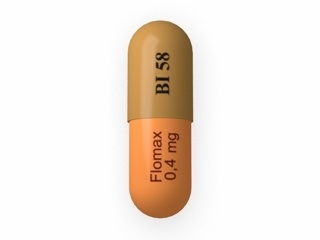
One common class of drugs used to treat BPH symptoms are alpha-blockers. These medications work by relaxing the muscles in the prostate and bladder neck, making it easier for urine to flow. A well-known example of such a medication is Flomax. By improving urine flow, Flomax can significantly reduce the discomfort and inconvenience associated with an enlarged prostate.
Hormone Replacement Therapy and Related Options
Testosterone plays a vital role in men's health, influencing muscle mass, bone density, sex drive, and mood. As men age, testosterone levels can naturally decline, leading to various symptoms. Hormone replacement therapy (HRT) is a therapeutic approach aimed at restoring testosterone levels to a more optimal range.
Understanding Topical Testosterone Therapy
Among the various forms of testosterone replacement, topical applications are widely utilized. Testosterone topical products, such as gels, creams, or patches, are applied directly to the skin. These formulations allow for the absorption of testosterone through the skin into the bloodstream, providing a steady release of the hormone. This method aims to mimic the body's natural testosterone production and can help alleviate symptoms associated with low testosterone, often referred to as hypogonadism.
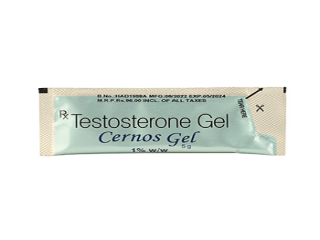
The decision to use Testosterone topical or any other form of testosterone therapy should be made in consultation with a healthcare provider. This involves a thorough evaluation of hormone levels, symptoms, and overall health status to determine if such treatment is appropriate and safe.
The Importance of Professional Medical Guidance
It cannot be stressed enough that all discussions and considerations of pharmaceutical interventions for men's health must involve consultation with qualified healthcare professionals. Self-medication or relying solely on information from the internet can be detrimental to health. Doctors can provide accurate diagnoses, discuss the risks and benefits of various treatment options, and monitor progress effectively.
Conclusion: A Proactive Approach to Men's Well-being
Men's health is a dynamic and essential aspect of overall wellness. By understanding the unique health challenges men may face and by engaging proactively with healthcare resources, men can take significant steps towards maintaining their health. The availability of various pharmaceutical options, such as Androxal, Poxet, Flomax, and Testosterone topical, offers potential solutions for specific concerns, but their use should always be guided by professional medical advice.