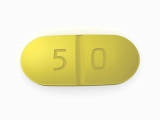
Achieving Long-Term Sobriety: Why Acamprosate is Your Next Essential Step
Problem Description: The Persistent Challenge of Alcohol Use Disorder
Alcohol Use Disorder (AUD), often referred to as alcoholism, represents a complex chronic medical condition characterized by an impaired control over alcohol intake, preoccupation with alcohol, continued use despite adverse consequences, and a tendency to relapse. Millions worldwide struggle daily with the psychological and physical dependence on alcohol, desperately seeking an effective path to sustained sobriety. The journey away from alcohol is rarely linear; it often involves intense cravings, emotional distress, and the constant threat of returning to old patterns. Understanding the neurobiology behind this addiction is crucial. Chronic heavy drinking alters brain chemistry, particularly affecting the balance of neurotransmitters like GABA (an inhibitory neurotransmitter) and glutamate (an excitatory neurotransmitter). When alcohol is removed, this imbalance persists, leading to hyperexcitability in the brain, which manifests as severe cravings and an increased risk of withdrawal symptoms even after detoxification. This underlying neurochemical imbalance is precisely what makes maintaining abstinence so challenging, even for individuals highly motivated to change. Many individuals ask, "is acamprosate effective for alcohol cravings", and the answer lies in its unique mechanism of action designed to address this very imbalance. If you are searching for "best medication for alcohol relapse prevention", you need a treatment that targets the core neurochemical roots of dependence, rather than just managing withdrawal symptoms.
Traditional approaches often focus heavily on behavioral therapy and immediate detoxification. While these are vital components of comprehensive AUD treatment, maintaining long-term abstinence requires pharmacological support to stabilize the brain chemistry that addiction has disrupted. Relapse rates for AUD remain worryingly high, often exceeding 50% within the first year post-treatment, indicating a significant gap in sustaining recovery once the initial hurdle of withdrawal is cleared. This gap highlights the necessity for medications specifically designed to reduce the rewarding effects of alcohol exposure and lessen the lingering discomfort that drives people back to drinking. The search for "how to stop drinking permanently" often leads patients and physicians toward options that offer neurobiological support for long-term success, positioning medications like Acamprosate as a cornerstone of modern relapse prevention strategies.
How the Medication Helps: The Neurochemical Approach of Acamprosate
Acamprosate, the active ingredient in this treatment, works differently from many other medications used in AUD management. It is not an aversion therapy like Disulfiram (which causes severe reactions if alcohol is consumed) nor is it an opioid antagonist like Naltrexone. Instead, Acamprosate functions primarily as a glutamate receptor modulator. As mentioned, chronic alcohol use leads to an overactivity of the excitatory glutamate system and a reduced activity of the inhibitory GABA system. This imbalance is strongly linked to the intense craving and protracted abstinence syndrome that plagues many individuals attempting recovery. Acamprosate helps restore this natural balance.
Specifically, Acamprosate acts as a weak antagonist at the NMDA (N-methyl-D-aspartate) receptors, which are crucial for glutamate's excitatory effects, and may also enhance GABAergic function. By normalizing the neuronal excitability that results from long-term alcohol exposure, Acamprosate significantly reduces the negative reinforcement associated with abstinence—the unpleasant symptoms like anxiety, sleep disturbances, and intense craving that drive individuals back to drinking. When patients start asking, "does acamprosate stop cravings", the detailed explanation involves this restoration of normal brain function, making sobriety feel less of a constant struggle against an overexcited nervous system. It helps the brain recalibrate to a sober state, making the maintenance phase of recovery more manageable. For those who have tried other routes, searching for "alternatives to naltrexone for alcohol" often brings them to Acamprosate due to its distinct mechanism.
Benefits: Sustained Sobriety Through Stabilization
The primary and most compelling benefit of using Acamprosate is its demonstrated efficacy in promoting and maintaining abstinence among those who have already achieved initial sobriety (detoxification). Unlike treatments that rely on creating negative consequences for drinking, Acamprosate facilitates positive maintenance by reducing the internal drive to consume alcohol. Clinical trials consistently show that patients taking Acamprosate have significantly higher rates of sustained abstinence compared to those on placebo over a 12-month period. This medication provides a crucial scaffold during the vulnerable early months of recovery.
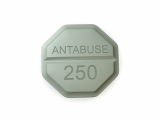
Furthermore, Acamprosate is generally well-tolerated, which contributes significantly to patient adherence. Because its mechanism is not tied to severe immediate reactions (like Antabuse, known by the brand name Antabuse), patients are more likely to continue taking it consistently as prescribed. This ease of integration into a daily routine is a major advantage when considering long-term pharmaceutical support for AUD. Another key benefit, often overlooked, is its lack of significant interaction with opioids, making it a viable option for patients who might require pain management or are being treated for co-occurring opioid use disorder, contrasting with some other treatments. If you are investigating "acamprosate vs naltrexone comparison", remember that while both are effective, Acamprosate offers neurochemical rebalancing without affecting opioid receptors, broadening its applicability. Many users report improvements in sleep quality and a general reduction in post-acute withdrawal symptoms, which directly correlates with reduced risk factors for relapse. People frequently search for "long term success rates with acamprosate", and the data supports its role in maintaining sobriety over extended periods.
The goal of this treatment is to reduce the overwhelming feeling of craving so that behavioral therapy and support groups can be more effective. By quieting the neurochemical noise, Acamprosate allows patients to fully engage with the psychological work necessary for lasting change. We encourage you to explore options beyond just therapy; consider how pharmacology can support your brain's recovery journey. Consider this as your chance to explore "can acamprosate help with anxiety related to sobriety", as stabilization often brings secondary mental health benefits.
Safety and Side Effects: Understanding Your Treatment Profile
Safety is paramount when considering any long-term medication. Acamprosate is generally considered safe, particularly when compared to the severe risks associated with continued heavy alcohol consumption. The most commonly reported side effects are mild and tend to decrease as the body adjusts to the medication. These frequently include diarrhea, nausea, headache, and sometimes flatulence or insomnia. These side effects are usually manageable through dosage adjustments or by timing the dose around meals, and they are far less debilitating than the consequences of relapse.
It is crucial to note that Acamprosate is not metabolized by the liver, which is a significant advantage for individuals with underlying liver issues, a common comorbidity with AUD. This distinguishes it from some other medications where hepatic function is a major concern. It is important to discuss your full medical history with your prescribing physician, especially regarding kidney function, as Acamprosate is primarily eliminated through the kidneys. Severe renal impairment may necessitate dosage modification or contraindicate its use. You might find yourself searching for "contraindications for acamprosate use"; typically, this revolves around severe kidney disease.
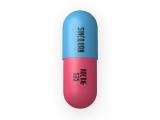
While rare, more serious adverse effects are possible, and patients should be aware of warning signs. If you experience severe skin reactions or signs of allergic reaction, seek immediate medical attention. It is also important to note that Acamprosate is not known to cause the severe sedative or euphoric effects associated with some other psychiatric medications, such as certain antidepressants like Sinequan (doxepin), which might be prescribed for co-occurring mood disorders but have different uses entirely. Always maintain open communication with your healthcare provider regarding any perceived side effects to ensure optimal treatment efficacy and safety. If you are wondering "is acamprosate addictive", the answer is definitively no; it does not possess abuse potential.
Reviews/Social Proof: Voices of Recovery
The true measure of a medication's success lies in the real-world experiences of those who have used it to reclaim their lives. Across patient forums and clinical follow-ups, the narrative surrounding Acamprosate is overwhelmingly positive regarding its role in reducing the daily grind of craving. Many individuals describe a marked difference in their mental landscape after starting the medication. One patient shared, "Before Acamprosate, the thought of one more day sober felt impossible; the cravings were relentless. Now, they are background noise, not a siren call." This sentiment resonates widely among those who have struggled with the protracted post-acute withdrawal syndrome.
Patients often contrast their experience with Acamprosate against prior attempts with other drugs. For example, someone who found Revia (Naltrexone) difficult due to nausea often praises the milder side effect profile of Acamprosate. Success stories frequently highlight achieving milestones—six months, one year, two years—that previously seemed unattainable. When researching "patient reviews of acamprosate for sobriety", look for consistency in reports that the medication lowers the emotional intensity surrounding alcohol use. This validation from peers can be a powerful motivator. Furthermore, those who diligently follow their treatment plans, often incorporating Acamprosate alongside support groups, report the highest levels of sustained success, demonstrating that medication is most potent when integrated into a holistic recovery strategy. We also see searches like "how long does it take for acamprosate to work", and most users report feeling a noticeable stabilization within the first few weeks.
Dosage, Price and Where to Buy
Available Forms and Dosages
Acamprosate is typically available in delayed-release tablet form. The standard dosage regimen is designed to achieve therapeutic levels steadily over time, usually involving three times daily dosing. The typical starting dose depends on the patient's weight, but the common maintenance dosage is two 333mg tablets taken three times per day, totaling 1998mg daily. Some prescribers may initiate treatment with lower doses (e.g., one 333mg tablet three times daily) and titrate up to the full dose over the first week to minimize gastrointestinal side effects. It is crucial to follow your physician's specific instructions regarding titration. Never attempt to alter the dosage schedule on your own, as consistency is key to maintaining the neurochemical stability this drug provides. If you need to know "what is the standard acamprosate dosing schedule", remember that consistent timing throughout the day is more important than the exact time of day for each dose.
Price and Where to Buy
The cost of Acamprosate can vary significantly based on your insurance coverage, location, and whether you purchase the brand name or the generic version. Since the patent expiration, generic Acamprosate has become much more accessible, offering substantial savings compared to when only the brand name, often sold under the name Campral, was available. Before filling a prescription, it is highly recommended to check with your insurance provider for co-pay information. Many pharmacies offer discount cards or price comparison tools that can significantly lower the out-of-pocket expense. For those without robust insurance, exploring various online and local pharmacies for the best price on the 333mg tablets is a smart financial step in securing your recovery. Do not let cost be a barrier to accessing this vital support; research "lowest price for generic acamprosate 333mg" today.
Call to Action: Do not delay your sustained recovery any longer. Speak to your addiction specialist or primary care physician today about whether Acamprosate is the right neurochemical support for your journey to lasting sobriety. Ask them specifically about integrating Acamprosate into your comprehensive treatment plan.
Conclusion — Securing Your Future Free From Alcohol
Acamprosate represents a scientifically validated, non-addictive pharmacological tool specifically engineered to address the underlying neurobiological disruptions caused by chronic alcohol use. By stabilizing the excitatory/inhibitory balance in the brain, it effectively reduces the debilitating cravings and negative reinforcement that sabotage recovery efforts. Its favorable safety profile, particularly its lack of hepatic metabolism, makes it a strong contender for long-term use for many patients managing AUD. Remember that achieving and maintaining sobriety is a multi-faceted process, and combining the support of therapy with targeted medication like Acamprosate significantly increases your probability of success. We understand the struggle, and we believe in providing you with the best tools available. If you have been asking yourself, "is acamprosate covered by insurance", start that inquiry now, as proactive planning leads to sustained results. Take the decisive step toward a healthier, alcohol-free life. Contact your healthcare provider immediately to discuss starting treatment with Acamprosate and begin building the foundation for lasting freedom from alcohol dependence.