Find Relief Now: Effective Treatment for Gout and Inflammation with Colchicine
Welcome to an in-depth exploration of Colchicine, a time-tested and highly effective medication dedicated to managing acute inflammatory conditions, most notably gout flares and familial Mediterranean fever. If you have been searching for reliable relief from debilitating joint pain, understanding how this powerful compound works and why it remains a cornerstone of treatment is essential. We aim to provide you with comprehensive, trustworthy information to help you make informed decisions about your health and secure the relief you deserve. Many individuals struggle daily with the sudden, intense pain associated with gout attacks, often wondering what is the best medicine for gout flare. This article will illuminate why Colchicine stands out.
Problem Description: The Burden of Acute Inflammation
Inflammation is the body's natural defense mechanism, but when it spirals out of control, it can cause severe, chronic, and acute pain. Gout, characterized by the deposition of uric acid crystals in the joints, triggers excruciating inflammatory responses. An acute gout attack can strike without warning, often targeting the big toe, rendering simple movements agonizing. Beyond gout, certain hereditary conditions like Familial Mediterranean Fever (FMF) involve systemic inflammatory episodes that can lead to serious complications if not managed promptly. Traditional pain relievers, while sometimes helpful for mild discomfort, often fall short when confronting the powerful inflammatory cascade initiated by these conditions. People frequently ask how to stop a gout attack immediately, hoping for a fast solution that addresses the root cause of the inflammation, not just masking the pain symptoms.
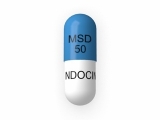
While over-the-counter options like Ibuprofen can offer temporary relief for minor aches, they are generally insufficient for managing the severity of a true gout flare or FMF episode. More potent NSAIDs, such as Indomethacin (Indocin), are often prescribed, but these carry their own spectrum of gastrointestinal risks, particularly with long-term use. The challenge lies in finding a medication that specifically targets the inflammatory pathway responsible for crystal-induced inflammation without the broad side-effect profile associated with high-dose steroids or some traditional NSAIDs. This is where the unique mechanism of action of Colchicine becomes indispensable.
How the Medication Helps: The Unique Action of Colchicine
Colchicine is derived from the autumn crocus plant, scientifically known as Colchicum autumnale. Despite its natural origins, it is a highly refined pharmaceutical agent. Its effectiveness lies in its ability to interfere directly with the inflammatory process triggered by uric acid crystals. It achieves this by binding to a protein called tubulin, which is crucial for the assembly of microtubules within inflammatory cells, particularly neutrophils. By disrupting microtubule formation, Colchicine prevents these white blood cells from migrating to the site of crystal deposition and releasing the inflammatory mediators that cause intense pain and swelling.
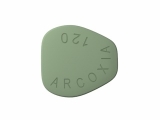
This targeted action differentiates Colchicine significantly from general anti-inflammatories. For example, medications like Etoricoxib or Arcoxia work by inhibiting COX enzymes, a different pathway. Colchicine essentially puts a brake on the specific cellular response that defines a gout flare. When taken early, it can halt an impending attack or significantly shorten the duration and severity of an ongoing one. This ability to intervene early makes knowing when to take colchicine for gout a critical piece of patient education.
Benefits: Why Choose Colchicine?
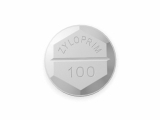
The advantages of incorporating Colchicine into your acute treatment plan are numerous. Firstly, its efficacy in treating acute gout flares is historically proven and well-documented. It provides rapid symptom relief, often within 12 to 24 hours of initiating treatment, allowing patients to regain mobility and comfort quickly. Secondly, when used prophylactically (preventatively), it is extremely effective at preventing recurrent gout flares, especially when initiating therapy for chronic conditions like hyperuricemia that are being treated with urate-lowering drugs like Allopurinol (Zyloprim). Starting a drug like Zyloprim can sometimes cause a flare, and Colchicine is often the preferred agent to prevent this introduction flare.
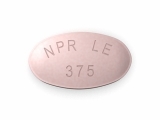
Furthermore, compared to high-dose corticosteroids, which can have systemic effects, or NSAIDs like Naprosyn or Anaprox which carry significant gastrointestinal risks over time, Colchicine, when used at appropriate acute doses, offers a different risk-benefit profile. It is also the primary treatment for FMF attacks. For individuals seeking alternatives to steroids for gout, Colchicine remains a top-tier, non-steroidal option. The availability of the 0.5mg dosage makes titration for both acute and prophylactic use straightforward. We urge you to explore how this versatile medication can fit into your long-term management strategy.
Safety and Side Effects: Understanding the Profile
As with any potent medication, understanding the safety profile and potential side effects of Colchicine is paramount. The primary side effects are dose-dependent and typically relate to the gastrointestinal (GI) tract. These can include nausea, vomiting, and diarrhea. These symptoms usually signal that the therapeutic window is being approached or exceeded, and they often resolve quickly upon dose reduction or temporary cessation of the drug. It is crucial never to exceed the prescribed maximum daily dose. Patients often search for colchicine side effects management, and the key takeaway is usually GI distress is reversible by lowering the dose.
Serious toxicity from Colchicine overdose is rare but potentially life-threatening, leading to multi-organ failure. Therefore, strict adherence to prescribed dosages is non-negotiable. Drug interactions must also be considered, especially with certain antibiotics or antifungals that inhibit the CYP3A4 enzyme, as these can increase Colchicine levels in the blood, increasing toxicity risk. While it is generally considered safer for the kidneys than some other anti-gout medications, patients with pre-existing severe renal or hepatic impairment require careful monitoring and dose adjustment by their physician. Always inform your healthcare provider about all other medications you are taking, including Neoral or Cyclosporine, if applicable.
Reviews/Social Proof: Patient Experiences
The long history of Colchicine use provides a wealth of anecdotal and clinical evidence supporting its value. Many long-term gout sufferers report that having Colchicine on hand is their most important tool for managing unexpected flares. One patient noted, "I used to dread the onset of a gout attack, reaching for heavy-duty pills like Mobic and hoping for the best. Since starting prophylactic Colchicine and keeping acute doses ready, my quality of life has dramatically improved. The attacks are fewer, and when they hit, they resolve much faster." Hearing testimonials about Colchicine vs ibuprofen for gout often confirms that while Ibuprofen might help a mild joint ache, only Colchicine addresses the specific, severe inflammation of gout effectively.
Another common sentiment revolves around its use in preventing flares while starting uric acid reducers. Patients describe feeling more secure starting long-term management drugs when they know they have this dependable anti-inflammatory backup. The consensus among experienced patients is clear: when used correctly, Colchicine is an invaluable, non-narcotic, highly targeted treatment that significantly reduces suffering associated with inflammatory arthropathies.
Dosage: Understanding the 0.5mg Standard
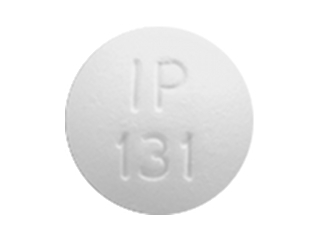
Colchicine is typically available in the highly standardized 0.5mg tablet strength, which facilitates precise dosing for both acute and prophylactic treatment regimens. For an acute gout flare, the typical loading dose protocol involves taking two tablets immediately, followed by one tablet one hour later. Subsequent doses are then usually limited to one tablet every 12 hours until the flare subsides, ensuring the total daily dose does not exceed strict limits (usually 3 or 4 tablets in the first 24 hours, depending on the specific protocol). It is vital to know the correct loading dose for colchicine to maximize effectiveness while minimizing GI side effects.
For prophylactic use—preventing future flares, often when initiating therapy for chronic hyperuricemia or managing FMF—the dose is significantly lower, usually 0.5mg once or twice daily. This low-dose maintenance therapy is generally well-tolerated long-term. Always follow the specific instructions provided by your prescribing physician, as treatment protocols can vary slightly based on patient weight, kidney function, and the severity of the underlying condition. Never self-adjust the dosage based on perceived improvement; consistency is key for prophylactic use.
Price and Where to Buy: Securing Your Supply
Accessing affordable and reliable Colchicine is crucial for consistent management. Due to its long history and generic availability, Colchicine 0.5mg is often very cost-effective compared to newer biologic agents or high-dose prescription NSAIDs. We encourage you to compare prices actively, as costs can fluctuate significantly between pharmacies. Searching for Colchicine price comparison can yield substantial savings, especially when purchasing a full course of therapy for an acute attack or a longer supply for prophylaxis.
We partner with reputable, certified pharmacies to ensure that when you choose to purchase Colchicine through our recommended channels, you receive authentic, high-quality medication directly corresponding to the 0.5mg dosage. Do not compromise on quality when dealing with acute inflammatory relief. When you are ready to move forward with a proven treatment, securing your prescription and purchase efficiently is the next logical step toward regaining control over your condition.
Take control of debilitating inflammation today. Don't let the next sudden flare catch you unprepared. We provide a straightforward path to obtaining the effective, targeted relief that Colchicine offers.
FAQ Section
Q1: Can I take Colchicine simultaneously with my daily medication for high blood pressure?
A1: Generally, yes, but you must always disclose all your medications to your doctor. Certain blood pressure medications, especially some calcium channel blockers, can affect how your body processes Colchicine, potentially increasing the risk of side effects. Always confirm drug interactions with your prescribing healthcare provider before combining medications.
Q2: How long does it take for prophylactic Colchicine to start preventing flares?
A2: Prophylactic use requires consistent daily dosing. It may take several weeks of continuous low-dose treatment before the full protective effect against spontaneous flares is established. This is why it is often started before initiating urate-lowering therapy.
Q3: Are there better alternatives if Colchicine gives me stomach upset?
A3: If you experience significant GI distress even at low prophylactic doses, your doctor might explore alternatives. For acute flares, options often include high-dose NSAIDs like Indocin or corticosteroids, though these carry different risk profiles. For long-term management, options might include Allopurinol or Febuxostat. However, Colchicine's mechanism is so distinct that physicians usually try to adjust the dose before abandoning it entirely, as no other drug targets the gout pathway quite the same way without the risk profile of drugs like Cyclosporine.
Conclusion
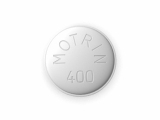
Colchicine, derived from Colchicum autumnale and available reliably in the 0.5mg dosage, remains an indispensable tool in the arthritis category, specifically for managing acute gout flares and preventing recurrent inflammatory episodes. Its unique mechanism targets the cellular basis of crystal-induced inflammation, offering rapid and potent relief often superior to general analgesics like Motrin or standard NSAIDs. While side effects like GI upset require careful dosing, the benefits in pain control and prevention are substantial. If you are battling the unpredictability of gout or FMF, explore the proven efficacy of this essential medication.
Don't wait for the next agonizing attack to disrupt your life. Speak to your healthcare provider today about initiating or adjusting your prescription for Colchicine 0.5mg, and secure your supply through trusted sources to ensure you are always prepared for inflammation. Click here to find reliable options and move forward with confidence in your treatment plan.