Discovering Relief: Is Effexor the Right Choice for Your Depression?
Navigating the complexities of mental health can be a daunting journey, often leaving individuals feeling isolated and without hope. When struggling with the persistent shadow of depression or the grip of anxiety, finding an effective treatment becomes paramount. Many seek answers to how to treat depression effectively, exploring various options to reclaim their well-being and live a fuller life, free from overwhelming symptoms. This article aims to provide comprehensive insights into a medication that has brought significant relief to countless individuals worldwide.
For those enduring the daily challenges of mood disorders, hope often feels distant. The search for a reliable solution that can alleviate symptoms and improve daily functioning is a deeply personal quest. Among the many available treatments, Effexor stands out as a widely recognized and prescribed medication within the anti-depressant category, offering a unique mechanism of action for those who need it most. Understanding its role can be the first step towards a brighter future.
This detailed guide will explore everything you need to know about Effexor, from its active ingredient, Venlafaxine, to its various dosages and how it works to restore balance. We aim to equip you with the knowledge to discuss this option confidently with your healthcare provider. Your journey towards mental wellness is important, and informed decisions are crucial for achieving the best possible outcomes in managing your condition and finding lasting peace.
General Information about Effexor
Effexor, with its active ingredient Venlafaxine, is a pharmaceutical agent classified as a serotonin-norepinephrine reuptake inhibitor (SNRI). This class of medication works by increasing the levels of serotonin and norepinephrine, two vital neurotransmitters in the brain. These chemicals play a crucial role in regulating mood, emotions, and overall mental stability, making their balanced presence essential for psychological well-being and cognitive function.
The medication is primarily prescribed for the treatment of major depressive disorder (MDD), generalized anxiety disorder (GAD), social anxiety disorder, and panic disorder. Its broad spectrum of action makes it a versatile tool in the psychiatrist's arsenal, addressing multiple facets of mental health. Many people ask, is Effexor an SNRI, and the answer is yes, firmly placing it in this effective category of antidepressants.
Developed to provide sustained relief, Effexor has undergone extensive research and clinical trials, establishing its efficacy and safety profile over decades of use. It represents a significant advancement in pharmacological treatments for mood and anxiety disorders, offering a path to recovery for those who might not have found success with other types of medications. Trust in its established track record is well-founded, supporting numerous positive patient outcomes.
Understanding the Problem: The Impact of Depression and Anxiety
Depression is far more than just feeling sad; it is a serious medical illness that negatively affects how you feel, think, and act. It can lead to a variety of emotional and physical problems and can decrease a person's ability to function at work and at home. The pervasive nature of depression can drain energy and interest from even the most cherished activities, leaving individuals feeling hollow and unmotivated in their daily lives.
Anxiety disorders, on the other hand, involve more than temporary worry or fear. They are characterized by intense, excessive, and persistent worry and fear about everyday situations. These feelings can lead to recurring panic attacks, a sudden onset of intense fear or discomfort, which can be debilitating. The relentless cycle of worry and fear significantly impairs quality of life, often leading to social withdrawal and avoidance behaviors.
The combined burden of depression and anxiety can create a powerful synergy of suffering, trapping individuals in a cycle of negativity and hopelessness. Daily tasks become monumental efforts, and the ability to find joy or connection diminishes significantly. It is crucial to recognize these conditions as treatable illnesses, not personal failings, and to seek professional help for appropriate diagnosis and intervention.
Untreated, these conditions can have severe long-term consequences, impacting physical health, relationships, and career prospects. The personal toll is immense, often leading to feelings of worthlessness and despair. Recognizing the signs and symptoms early and seeking professional medical advice is a critical first step towards managing these challenges effectively and preventing further decline in overall well-being.
How Effexor Helps: A Mechanism of Action
Effexor's primary mechanism of action involves the selective reuptake inhibition of both serotonin and norepinephrine in the brain. Serotonin is often dubbed the "feel-good" neurotransmitter, influencing mood, appetite, sleep, and social behavior. Norepinephrine impacts alertness, energy, and stress responses. By increasing the availability of both, Effexor helps to restore a crucial neurochemical balance, essential for mental health.
This dual action, distinguishing it from selective serotonin reuptake inhibitors (SSRIs) like Lexapro or Paxil, and placing it in the same class as Cymbalta, is thought to provide a broader spectrum of antidepressant and anxiolytic effects. For many, this translates into more comprehensive relief from a wider range of symptoms associated with depression and anxiety. Patients often ask, how does Effexor work, and this dual reuptake inhibition is the key.
By preventing the quick reabsorption of these neurotransmitters back into nerve cells, Effexor allows them to remain active in the synaptic cleft for longer periods. This prolonged presence enhances communication between brain cells, leading to a gradual improvement in mood, reduction in anxiety, and increased energy levels over time. The therapeutic effects build up steadily with consistent use, transforming daily experiences positively.
The extended-release (XR) formulation of Effexor is designed to provide a steady concentration of Venlafaxine throughout the day, which helps in maintaining consistent symptom control and may reduce the incidence of certain side effects. This sustained delivery system is a significant advantage, ensuring continuous therapeutic benefit without frequent dosing, which aids patient adherence to the treatment regimen.
Available Forms and Dosages of Effexor
Effexor is available in both immediate-release (IR) and extended-release (XR) formulations, though the XR version is more commonly prescribed due to its convenience and potentially improved tolerability. The active ingredient, Venlafaxine, is carefully formulated to ensure optimal absorption and therapeutic effect. Understanding the available options is important when discussing treatment with your doctor.
The dosages typically start low to allow the body to adjust and are gradually increased based on individual response and tolerability. A common starting dose, as specified, is Effexor 37.5mg uses, often prescribed once daily for the XR formulation. This lower dose minimizes initial side effects and helps patients ease into the medication, preparing their system for higher therapeutic levels if needed.
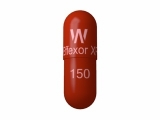
Other common dosages for Effexor XR include 75mg, 150mg, and 225mg, with some patients potentially going up to 300mg or 375mg under strict medical supervision for severe cases. The exact dosage is highly individualized and determined by a healthcare professional, considering the patient's specific condition, response to treatment, and other health factors. Never adjust your dose without medical advice.
The extended-release capsules are designed to be swallowed whole and should not be crushed, chewed, or divided, as this can disrupt the controlled release mechanism. Consistency in taking the medication at the same time each day, usually with food, is recommended to maintain stable drug levels in the bloodstream and maximize its therapeutic benefits effectively. This routine is vital for treatment success.
How to Use Effexor Effectively
To maximize the benefits of Effexor, it is crucial to adhere strictly to your healthcare provider's instructions regarding dosage and administration. Taking your medication consistently, ideally at the same time each day, helps maintain stable drug levels in your system, which is essential for its therapeutic effect. Many find taking it with a meal helps reduce potential gastrointestinal upset.
Do not suddenly stop taking Effexor or change your dosage without consulting your doctor. Abrupt discontinuation can lead to withdrawal symptoms, often referred to as antidepressant discontinuation syndrome, which can be unpleasant and includes dizziness, nausea, headache, and electric-shock-like sensations. A gradual tapering schedule, overseen by a medical professional, is always recommended when discontinuing treatment.
It is important to understand that the full therapeutic effects of Effexor may not be immediately apparent. It often takes several weeks (typically 2-4 weeks) of consistent use before significant improvements in mood and anxiety symptoms are observed. Patience and continued adherence to the prescribed regimen are key during this initial period, even if you don't feel immediate changes.
Regular follow-up appointments with your doctor are vital to monitor your progress, assess for any side effects, and make any necessary dosage adjustments. Open communication with your healthcare provider about how you are feeling and any concerns you may have will ensure the most effective and safe treatment experience for your specific needs, guiding your path to recovery.
The Transformative Benefits of Choosing Effexor
One of the most compelling benefits of Effexor is its dual-action mechanism, which can lead to a more comprehensive improvement in symptoms for many individuals. By influencing both serotonin and norepinephrine, it often addresses a broader range of symptoms compared to SSRIs, offering enhanced effectiveness in lifting mood, increasing energy, and reducing feelings of anxiety and panic.
Patients often report a significant reduction in depressive symptoms, including persistent sadness, loss of interest in activities, and feelings of hopelessness. The ability to restore emotional balance allows individuals to re-engage with life, find pleasure in hobbies, and improve their social interactions. Many seek best antidepressant for severe depression and find Effexor to be a highly effective option.
For those struggling with anxiety disorders, Effexor can dramatically decrease the frequency and intensity of panic attacks, generalized worry, and social anxiety. This reduction in anxiety can liberate individuals from constant apprehension, enabling them to participate more fully in social and professional settings, improving their overall quality of life and sense of freedom.
Beyond mood, Effexor can also positively impact associated symptoms such as sleep disturbances, appetite changes, and difficulties with concentration. By stabilizing neurotransmitter levels, it helps regulate these bodily functions, leading to improved sleep patterns, healthier eating habits, and enhanced cognitive function, allowing for greater focus and productivity throughout the day.
The extended-release formulation of Effexor offers the convenience of once-daily dosing, which can improve adherence and make it easier to incorporate into a daily routine. This sustained release also helps maintain steady drug levels, potentially reducing fluctuations in mood and minimizing the occurrence of side effects often associated with peak drug concentrations, leading to a smoother experience.
Furthermore, Effexor has a well-established track record in clinical practice, backed by numerous studies and real-world experiences. Its efficacy in treating various mood and anxiety disorders has made it a trusted choice among healthcare professionals, offering a reliable path to recovery for countless patients seeking sustained relief from their challenging symptoms.
Many individuals experience an increase in energy levels and motivation, which can be particularly beneficial for those experiencing the debilitating fatigue often associated with depression. This renewed vigor allows patients to tackle daily tasks with greater ease and enthusiasm, breaking the cycle of inertia that can characterize depressive episodes, fostering a more active lifestyle.
It is important to remember that while medication like Effexor is a powerful tool, it often works best when combined with psychotherapy or other supportive measures. This integrated approach addresses both the biological and psychological aspects of mental health, providing a holistic pathway to recovery and long-term well-being, empowering individuals to reclaim their lives.
Consider taking the proactive step towards a brighter future today. Talk to your doctor about whether Effexor could be the right medication to help you find relief and rediscover joy. Your journey to wellness starts with an informed conversation.
Safety and Potential Side Effects
Like all medications, Effexor can cause side effects, although not everyone experiences them. It is crucial to be aware of potential reactions and discuss any concerns with your healthcare provider. The most common side effects often occur during the initial weeks of treatment as your body adjusts to the medication, and they often subside over time as your system acclimates.
Common side effects may include nausea, dizziness, insomnia, sweating, dry mouth, and constipation. Some individuals might experience sexual dysfunction, such as decreased libido or difficulty achieving orgasm. These effects are usually mild to moderate and often temporary, but it is important to report them to your doctor for guidance on managing them or considering alternatives.
More serious, though less common, side effects can include elevated blood pressure, increased heart rate, and an exacerbation of anxiety or agitation, particularly at the beginning of treatment. It is essential to monitor these symptoms and seek immediate medical attention if they become severe or concerning. Regular blood pressure checks are often recommended during treatment with Effexor.
There is also a risk of serotonin syndrome, especially when Effexor is taken with other medications that increase serotonin, such as triptans for migraines, or other antidepressants. Symptoms can include agitation, hallucinations, rapid heartbeat, fever, muscle rigidity, and severe nausea or diarrhea. This condition requires immediate medical attention, underscoring the importance of full disclosure of all medications to your doctor.
The risk of withdrawal symptoms, if the medication is stopped abruptly, is a significant consideration. Patients frequently search for Effexor side effects withdrawal to understand what to expect. Symptoms can range from dizziness, headache, and nausea to more severe manifestations like "brain zaps," vivid dreams, and flu-like symptoms. Therefore, a doctor-supervised tapering schedule is always advised to minimize discomfort.
For individuals under 25, there is a Black Box Warning regarding an increased risk of suicidal thoughts and behaviors, particularly during the initial stages of treatment or when the dosage is changed. Close monitoring by a healthcare professional and family members is essential for this age group, and any new or worsening symptoms should be reported immediately to ensure safety.
It is vital to provide your doctor with a complete medical history, including any pre-existing conditions like heart problems, high blood pressure, glaucoma, or a history of seizures. Disclose all other medications, supplements, and herbal remedies you are currently taking to avoid potential drug interactions that could compromise your health or the efficacy of Effexor.
While the list of potential side effects may seem daunting, it is important to remember that many individuals take Effexor with minimal or manageable side effects, experiencing significant improvements in their mental health. Your doctor will weigh the potential benefits against the risks to determine if Effexor is the most appropriate treatment option for your unique circumstances.
Reviews and Social Proof: Real Stories of Relief
The experiences of others can offer valuable insights into the potential effectiveness of a medication. While individual results vary, many people who have taken Effexor report significant positive changes in their lives, often describing a return to a sense of normalcy they thought was lost. These testimonials highlight the profound impact on daily functioning and emotional well-being.
"Before starting Effexor, my days were shrouded in a thick fog of despair and anxiety," shares Sarah, 42. "I felt constantly overwhelmed, and even simple tasks seemed impossible. After a few weeks on Effexor 75mg, it was like a cloud lifted. My energy returned, my anxiety lessened, and I could finally enjoy time with my family again. It truly gave me my life back."
Michael, 55, recounts, "I had tried several other antidepressants without much success. My doctor suggested Effexor, and I was skeptical, but desperate. The first few weeks were a bit rough with some nausea, but then I started feeling a difference. The constant worry that plagued me for years began to fade. This medication has been a game-changer for my generalized anxiety disorder." Many inquire about Effexor reviews for anxiety, and stories like Michael's are common.
"As a student, depression made it impossible to focus or even get out of bed," says Emily, 23. "I was falling behind in my studies and socially withdrawn. With Effexor, combined with therapy, I slowly started to regain my concentration and motivation. I'm now able to manage my coursework and actually look forward to social events. It's truly helped me reclaim my academic and social life."
These stories underscore the potential of Effexor to make a tangible difference in the lives of those suffering from depression and anxiety. While individual journeys differ, the collective positive experiences provide powerful social proof of its therapeutic value. It offers hope that a path to recovery is indeed possible with the right treatment and support.
Dosage: Finding Your Optimal Path to Wellness
The journey with Effexor typically begins with a careful titration process, starting at a lower dose to allow your body to adapt. For the extended-release formulation, a common starting point is Effexor 37.5mg once daily, often taken with food. This initial dose helps to minimize potential side effects as your system adjusts to the medication's presence.
Your healthcare provider will then assess your response and tolerability, gradually increasing the dosage if needed to achieve the optimal therapeutic effect. Common therapeutic doses range from 75mg to 225mg per day, though some individuals with more severe or resistant conditions may require higher doses under strict medical supervision. The goal is to find the lowest effective dose that provides maximum benefit.
It is absolutely critical to follow your doctor's instructions precisely and never adjust your dosage on your own. Altering the dose without medical guidance can lead to ineffective treatment, increased side effects, or uncomfortable withdrawal symptoms if the medication is stopped too quickly. Consistent communication with your doctor about your symptoms and any side effects is key to successful treatment.
For specific conditions, such as panic disorder, the recommended target dose might differ slightly from that for major depressive disorder. Your doctor will tailor the dosage regimen to your specific diagnosis and individual needs, ensuring that you receive the most appropriate treatment for your condition. This personalized approach is fundamental to achieving positive outcomes with Effexor.
Price and Where to Buy Effexor
The cost of Effexor can vary significantly depending on several factors, including whether you are purchasing the brand-name version or its generic equivalent, Venlafaxine. Generally, generic medications are considerably more affordable than their brand-name counterparts, making treatment more accessible to a wider range of patients seeking relief from depression and anxiety.
Brand-name Effexor XR (extended-release) can be more expensive, while generic Venlafaxine XR is typically much lower in price. Many insurance plans cover generic Venlafaxine, and some may cover the brand name, often requiring a prior authorization. It's always advisable to check with your insurance provider to understand your specific coverage for Effexor cost without insurance, as well as with it.
You can obtain Effexor or generic Venlafaxine only with a valid prescription from a licensed healthcare provider. Once you have a prescription, you can fill it at most local pharmacies. Additionally, many reputable online pharmacies (within your country's regulations) offer prescription medications, often at competitive prices, though it's crucial to ensure they are fully licensed and accredited.
When considering an online pharmacy, always prioritize safety and legitimacy. Look for pharmacies that require a prescription, have a physical address, and are accredited by relevant pharmaceutical boards. Beware of websites promising to buy Effexor online without a prescription, as these are often unregulated and may supply counterfeit or unsafe medications, posing serious health risks.
For those facing financial challenges, many pharmaceutical companies offer patient assistance programs that can help reduce the cost of brand-name medications. Additionally, discount cards and coupons are often available through various prescription savings programs, which can significantly lower your out-of-pocket expenses for both brand-name and generic versions. Inquire at your pharmacy or with your doctor.
Always discuss pricing concerns with your doctor or pharmacist. They can often provide information on more affordable generic alternatives or point you towards resources that can help manage the cost of your medication. Ensuring access to necessary treatment should never be hindered by financial barriers, and there are often solutions available to support your health.
Frequently Asked Questions about Effexor
Will Effexor make me gain weight?
Weight changes are a common concern with many antidepressants, and for Effexor, the impact on weight can vary among individuals. Some people may experience slight weight gain, while others may experience weight loss or no change at all. It is not as commonly associated with significant weight gain as some other antidepressants. Discussing Effexor and weight gain with your doctor helps manage expectations and monitor your health.
How long does it take for Effexor to start working?
While some individuals may begin to notice subtle improvements within the first week or two, the full therapeutic effects of Effexor typically take longer to manifest. Most people report significant improvements in mood and anxiety symptoms after 2 to 4 weeks of consistent use at a stable dose. Patience and adherence to your prescribed regimen are crucial during this initial period. This addresses how long does Effexor take to work directly.
Can I drink alcohol while taking Effexor?
It is generally not recommended to consume alcohol while taking Effexor. Alcohol can intensify the side effects of Effexor, such as dizziness, drowsiness, and impaired coordination, and can also worsen symptoms of depression or anxiety. Combining alcohol and antidepressants can reduce the effectiveness of the medication and potentially lead to adverse reactions, so it is best to avoid it completely.
What if I miss a dose of Effexor?
If you miss a dose of Effexor, take it as soon as you remember, unless it is almost time for your next scheduled dose. In that case, skip the missed dose and resume your regular dosing schedule. Do not take a double dose to make up for a missed one, as this can increase the risk of side effects. Consistency is important, but doubling up is not the solution.
Is Effexor addictive?
Effexor is not considered addictive in the same way that opioids or other controlled substances are. However, stopping Effexor abruptly can lead to withdrawal-like symptoms, known as antidepressant discontinuation syndrome, which can be very uncomfortable. This is why it is essential to gradually reduce the dose under a doctor's supervision when discontinuing the medication, managing the risk of these symptoms.
Call to Action: Take the Next Step Towards Wellness
If you are struggling with the debilitating effects of depression or anxiety, please know that effective treatment options are available, and you don't have to face these challenges alone. Effexor offers a well-researched and often highly effective pathway to regaining control over your mental health and improving your quality of life significantly.
The first and most important step is to consult with a qualified healthcare professional. They can provide an accurate diagnosis, discuss your individual symptoms and medical history, and help determine if Effexor is the most suitable treatment option for you. This personalized medical advice is crucial for ensuring your safety and maximizing the potential for positive outcomes.
Do not let fear or uncertainty prevent you from exploring treatment options that could transform your life. Taking this step is a sign of strength and a commitment to your own well-being. Embrace the possibility of a brighter, more fulfilling future. Reach out to your doctor today to discuss Effexor and begin your journey towards lasting relief and mental clarity.
Conclusion: Reclaim Your Life with Effexor
In summary, Effexor (Venlafaxine) stands as a powerful and proven ally in the fight against depression and anxiety disorders. Its dual-action mechanism, targeting both serotonin and norepinephrine, offers comprehensive symptom relief that can lead to profound improvements in mood, energy, concentration, and overall quality of life. From its starting dose of venlafaxine hcl xr 37.5 mg to higher therapeutic levels, it provides tailored treatment.
We've explored how it works, its significant benefits in alleviating the burden of mental illness, and important considerations regarding safety and side effects. The testimonials of individuals who have found relief underscore its potential to help you reclaim joy and stability. Remember that finding the right dosage and consistent adherence, under medical guidance, are paramount for success.
Do not delay in seeking the help you deserve. Your mental health is invaluable, and effective solutions like Effexor are available to support your journey to recovery. Take the courageous step to consult your healthcare provider today and discuss how Effexor can empower you to live a life free from the shadows of depression and anxiety. A brighter tomorrow awaits.