Reclaim Clarity and Cognition: Discover the Power of Galantamine for Alzheimer's Management
Alzheimer's disease represents one of the most profound challenges facing modern healthcare, impacting millions globally, stripping away memories, cognitive function, and ultimately, quality of life for both patients and their families. Understanding the mechanisms of this devastating condition and accessing effective treatments is paramount in the ongoing battle against cognitive decline. Many individuals actively search for best treatments for Alzheimer's, hoping to find a pharmaceutical intervention that can slow progression or restore lost function. This comprehensive guide will delve into the science, benefits, and availability of Galantamine, a critical medication classified under the Alzheimer's category, specifically focusing on the 4mg dosage, and why it might be the right step for managing this complex neurological disorder.
The journey through cognitive impairment is often fraught with anxiety and uncertainty. Families frequently ask, how to improve memory in dementia patients, seeking practical and medical solutions to maintain connection and independence for their loved ones. While there is no universal cure for Alzheimer's yet, medications like Galantamine play a vital role in symptomatic management, offering tangible improvements in daily functioning and cognitive performance for many users. Our goal here is to provide you with detailed, trustworthy information so you can make informed decisions regarding therapeutic options.
Problem Description: The Nature of Alzheimer's Cognitive Decline
Alzheimer's disease is fundamentally a progressive neurodegenerative disorder characterized by the accumulation of abnormal protein deposits in the brain—amyloid plaques and neurofibrillary tangles—leading to neuronal death and atrophy, particularly in areas crucial for memory and thought. This destruction results in a gradual loss of cognitive abilities, including memory recall, problem-solving skills, judgment, and language comprehension. The underlying biochemical issue often involves a deficiency in certain neurotransmitters, most notably acetylcholine, which is essential for memory formation and learning processes. When Galantamine dosage information becomes relevant, it is usually because a physician has identified this cholinergic deficit as a primary target for intervention.
The progression of symptoms can severely affect daily life. Simple tasks become arduous, leading to frustration, depression, and increased dependency. Caregivers often struggle to manage escalating behavioral symptoms alongside the cognitive decline. When researching treatment pathways, patients often look up alternatives to Aricept, seeking different pharmacological profiles or fewer side effects, highlighting the need for a diverse treatment landscape. The effectiveness of treatment often hinges on early diagnosis and prompt initiation of appropriate pharmacological support.
How the Medication Helps: The Mechanism of Galantamine
Galantamine functions as a reversible acetylcholinesterase inhibitor (AChEI). In simplified terms, this means it blocks the enzyme acetylcholinesterase, which normally breaks down acetylcholine in the synaptic cleft (the space between nerve cells). By inhibiting this breakdown, Galantamine increases the concentration and duration of action of acetylcholine available to bind to receptors on the receiving neuron. This enhanced cholinergic transmission can help improve communication between brain cells, leading to symptomatic relief in cognitive function.
Furthermore, Galantamine possesses a unique secondary mechanism of action that distinguishes it from some other medications in its class. It acts as an allosteric modulator of nicotinic acetylcholine receptors (nAChRs). This means it doesn't just increase the amount of acetylcholine available; it also sensitizes the existing receptors, making them more responsive to the neurotransmitter that is present. This dual action—AChE inhibition plus receptor modulation—is thought by many researchers to contribute significantly to its therapeutic efficacy, which is why many people search for Galantamine side effects 4mg, looking to start at the lowest effective dose.
When considering treatment options, patients often compare Galantamine vs Donepezil to understand the subtle differences in their pharmacological profiles. While both are AChEIs, the added nicotinic receptor modulation offered by Galantamine provides an alternative pathway for symptomatic management in mild to moderate Alzheimer's disease. This targeted approach aims to shore up compromised neurotransmitter systems, offering a stabilizing effect on cognitive decline, even if it cannot halt the underlying pathology.
Benefits of Using Galantamine
The primary benefit of administering Galantamine to individuals suffering from Alzheimer's disease is the potential for temporary improvement or stabilization of cognitive symptoms. Users may experience enhanced memory recall, improved attention span, and better executive function in daily activities. For caregivers, even minor improvements in a patient's ability to participate in conversations or manage personal care routines can translate into significant reductions in stress and an increase in positive interactions.
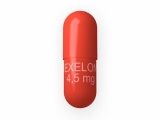
Beyond the direct cognitive effects, many patients report a corresponding improvement in their overall mood and engagement with the world. When cognitive function is slightly bolstered, the sense of isolation and frustration often associated with the disease can lessen. We see this reflected when users search for Galantamine efficacy in long term use, indicating a desire for sustained benefit. Other medications in the same class, such as Exelon (Rivastigmine), offer similar benefits, but the specific receptor profile of Galantamine provides a distinct treatment avenue worth exploring under medical supervision.
A notable advantage often discussed is the potential for dosing flexibility, especially when starting treatment, which relates directly to the 4mg dosage availability. Starting low allows the body to acclimate to the medication, potentially minimizing initial gastrointestinal side effects. Furthermore, for patients who experience insufficient benefit or intolerable side effects from first-line treatments, Galantamine serves as an essential second or third-line option, providing hope when other avenues seem exhausted. People often compare Galantamine vs Memantine, looking to understand if a combination or an alternative might be better suited for their stage of the disease.
Safety and Side Effects Profile of Galantamine
As with all potent pharmaceuticals, understanding the safety profile and potential side effects of Galantamine is crucial before initiating therapy. The most commonly reported side effects are generally gastrointestinal in nature, including nausea, vomiting, diarrhea, and loss of appetite. These side effects are typically mild to moderate and often diminish as the body adjusts to the medication, particularly when titration schedules are followed carefully, starting perhaps with the Galantamine 4mg dosage.
Serious side effects, though rare, warrant immediate medical attention. These can include fainting spells (syncope), heart rhythm abnormalities (bradycardia), and increased risk of urinary obstruction or seizures in susceptible individuals. Because Galantamine affects cholinergic transmission throughout the body, it can influence the cardiovascular and gastrointestinal systems significantly. Therefore, a thorough review of a patient's existing medical conditions—especially heart conditions or peptic ulcers—is mandatory before prescribing.
Patients should always discuss all current medications with their physician. There are potential interactions, particularly with drugs that also slow the heart rate or affect acetylcholine levels. While effective, sometimes patients seek information on stopping Galantamine suddenly, which is strongly discouraged due to the risk of rebound cognitive decline. Dosage reduction should always be medically supervised. For those looking at combination therapies, understanding the risks associated with medications like Namzaric (which combines Donepezil and Memantine) helps contextualize the individual role of a pure AChEI like Galantamine.
Patient Experiences and Social Proof
The true measure of a medication's utility often lies in the real-world experiences of those who use it. While clinical trials provide rigorous data, patient testimonials offer insight into daily life improvements. Many caregivers report that when their loved one started Galantamine, there was a noticeable "brightening"—a return of spark or increased ability to follow complex instructions. Families often express relief when they see their loved one successfully completing tasks that had become impossible.
It is important to recognize that responses to Alzheimer's treatments are highly individualized. Some individuals experience profound benefits, while others may see only modest stabilization. When searching forums, users often post queries like Galantamine effectiveness in moderate stage Alzheimer's, seeking reassurance that the drug works beyond the mild stages. Furthermore, comparative experiences are common; for instance, some users feel Galantamine offers better tolerability than Aricept (Donepezil) at equivalent therapeutic effects, leading them to stay on the former.
Social proof is built on consistent, documented feedback. In many cases, patients who have been stable on Galantamine for several years attribute their sustained functional capacity to this medication, viewing it as an indispensable tool in their long-term management plan. This enduring use validates its role not just as an initial intervention but as a long-term supportive therapy.
Navigating Dosages: Starting with Galantamine 4mg
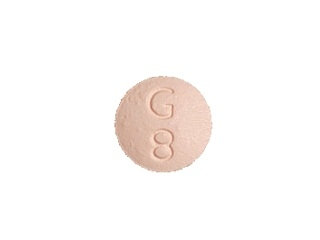
The recommended starting dose for Galantamine therapy is typically the lowest available strength, which is precisely why the 4mg formulation is frequently prescribed initially. This approach adheres to the principle of "start low and go slow," which is especially critical for medications affecting the central nervous system and the gastrointestinal tract. The 4mg dose is designed to allow the body to gradually adapt to the active ingredient, thereby minimizing the incidence and severity of dose-related side effects, such as the common nausea mentioned earlier.
Titration schedules are crucial. A standard protocol involves starting at 4mg once daily for at least seven days. Following this initial period, the dose is typically increased to 8mg per day, often split into two doses (e.g., 4mg in the morning and 4mg in the evening). If tolerated well, the dose may be further increased after another week or two to the maintenance level, which is commonly 16mg or 24mg per day, again, usually divided into two administrations. The availability of the 4mg tablet is essential for achieving this smooth, controlled escalation.
For patients who are frail, elderly, or have significant comorbid conditions, particularly severe renal or hepatic impairment, a physician might choose to titrate more slowly or maintain the dose at 8mg daily indefinitely. When patients inquire about Galantamine 4mg twice a day, it signals an understanding of the importance of consistent plasma concentration, even if the initial prescription is once daily. This controlled approach maximizes the potential for therapeutic benefit while mitigating risks, making the 4mg strength a foundational element of successful treatment initiation. It is worth noting that extended-release formulations exist, which can sometimes offer flatter plasma concentrations, but the immediate-release 4mg tablet remains the cornerstone for initial titration.
It is also important to consider combination therapy. Some patients might be taking other medications like Reminyl (which is another brand name for Galantamine, emphasizing its wide recognition) alongside other agents. If a patient is switching from a different AChEI, the physician must carefully calculate the cross-tapering schedule to prevent withdrawal symptoms or toxicity. Understanding the Galantamine overdose symptoms is also a vital part of this safety protocol.
Price and Where to Buy Galantamine Safely
The cost of prescription medication can be a significant barrier to access, and Alzheimer's treatments are often expensive, especially newer branded formulations. Galantamine, however, is widely available in generic form, which substantially lowers the out-of-pocket expense compared to some patented alternatives. When discussing cost, it is essential to inquire whether the required dosage—specifically the 4mg strength—is covered by insurance plans, as coverage varies widely.
Where you choose to purchase your medication is as important as the medication itself. To ensure you receive genuine, high-quality Galantamine, it is strongly recommended to purchase only from licensed pharmacies. Online purchases require careful scrutiny. While many legitimate online pharmacies offer competitive pricing, navigating the digital marketplace to find cheap Galantamine online without compromising authenticity can be tricky. Always verify that the online vendor requires a valid prescription from your doctor.
We advocate for purchasing directly through established, regulated channels. If cost remains a concern, patients should speak frankly with their healthcare provider or pharmacist about generic options and patient assistance programs that might reduce the financial burden associated with long-term treatment. Access to affordable, reliable medication is key to adherence, which in turn dictates treatment success. For many, navigating the complexity of insurance coverage is almost as difficult as managing the disease itself, leading to frequent searches for Galantamine cost comparison.
Call to Action: Take the Next Step Towards Cognitive Support
If you or a loved one is currently grappling with the challenges of mild to moderate Alzheimer's disease, delaying treatment is delaying potential symptom stabilization. Galantamine, particularly when initiated at the carefully controlled 4mg dosage, represents a proven pharmacological strategy based on enhancing essential brain chemistry. Do not let uncertainty prevent you from exploring effective options. Consult with your neurologist or primary care physician today to discuss whether Galantamine is the appropriate next step in your comprehensive management plan. Informed decisions lead to better outcomes.
Frequently Asked Questions (FAQ)
Is Galantamine effective for severe Alzheimer's?
Generally, Galantamine, like other cholinesterase inhibitors such as Donepezil, is primarily indicated and most effective for the treatment of mild to moderate Alzheimer's disease. For severe stages, physicians often shift focus toward medications like Memantine, or combination therapies, though Galantamine might sometimes be continued if the patient shows sustained benefit or as part of a combination regimen. Always follow your specialist's guidance regarding disease staging and medication suitability.
What should I do if I miss a dose of Galantamine 4mg?
If you miss a single dose of Galantamine, take it as soon as you remember, unless it is nearly time for your next scheduled dose. If it is close to the time for the next dose, skip the missed one and resume your regular dosing schedule. Never double the dose to make up for a missed one. Inconsistent dosing can lead to fluctuating plasma levels, potentially causing side effects or reduced efficacy. This applies regardless of whether you are on the 4mg starting dose or a higher maintenance level.
How long does it take to see the effects of Galantamine?
The time it takes to notice cognitive or functional changes varies significantly among individuals. Some patients and caregivers report subtle positive changes within a few weeks of reaching the target therapeutic dose, while for others, it may take several months to determine the medication’s full impact. Consistency in taking the medication exactly as prescribed is key to allowing enough time for measurable effects to manifest. This is why adherence to the titration schedule starting at 4mg is so important.
Can Galantamine be used with other Alzheimer's drugs?
Yes, Galantamine is often prescribed in conjunction with other Alzheimer's medications, most notably Memantine, which works via a different mechanism (NMDA receptor antagonism). A physician might transition a patient from a pure AChEI like Galantamine to a combination product or prescribe both medications separately to target multiple aspects of the disease pathology simultaneously. This strategy aims for synergistic benefits.
Is there a difference between Galantamine and Reminyl?
No, there is no pharmacological difference. Reminyl is a recognized brand name for the active ingredient Galantamine in many international markets. When you see Reminyl mentioned, it refers to the exact same chemical compound and mechanism of action as the generic Galantamine used in other regions. Searching for Reminyl side effects will yield information directly applicable to your Galantamine treatment.
Conclusion: Securing Cognitive Support with Galantamine
Galantamine, available in key dosages such as 4mg for initial titration, stands as a cornerstone in the symptomatic management of mild to moderate Alzheimer's disease. Its dual mechanism of action—inhibiting acetylcholinesterase and modulating nicotinic receptors—offers a sophisticated approach to bolstering vital cholinergic transmission in the brain. By starting low and titrating carefully, patients can maximize the likelihood of realizing benefits such as improved memory, attention, and engagement, while mitigating common gastrointestinal side effects. If you are seeking a reliable, well-established treatment option to support cognitive function and enhance daily living for someone affected by Alzheimer's, initiate a conversation with your healthcare provider about the carefully managed introduction of Galantamine today.
Take the proactive step now: Schedule an appointment with your neurologist to discuss initiating or continuing therapy with Galantamine to support cognitive health.