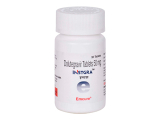
Effective HIV Management: Understanding and Accessing Kaletra for Viral Suppression
Problem Description: Navigating Life with HIV
Living with Human Immunodeficiency Virus (HIV) presents a continuous challenge that requires diligent medical management and access to highly effective antiretroviral therapies. Since its recognition, the landscape of HIV treatment has dramatically improved, moving from a consistently fatal diagnosis to a manageable chronic condition for those who adhere to their prescribed regimens. However, the complexity of the virus, its propensity to mutate, and the necessity of long-term adherence mean that the choice of medication is paramount. Patients often search for best hiv treatment regimens to ensure sustained viral load suppression and maintain immune system integrity. The core objective of any HIV treatment plan is to reduce the viral load in the blood to undetectable levels, thereby preventing disease progression to AIDS and significantly lowering the risk of onward transmission. This necessity drives the demand for robust, well-studied, and reliable medications like Kaletra.
The global burden of HIV remains substantial, impacting millions of lives worldwide. For individuals newly diagnosed or those experiencing virologic failure on current therapies, the need for potent combination treatments is urgent. Many individuals worry about long term side effects of hiv medication, necessitating treatments that offer high efficacy with an acceptable safety profile. Furthermore, access and affordability remain significant hurdles in achieving universal treatment success. Understanding the available options, their mechanisms of action, and their proven track records is the first step toward achieving successful viral control.
How the Medication Helps: The Power of Combination Therapy
Kaletra is a highly effective antiretroviral medication formulated as a combination drug containing Lopinavir (200mg) and Ritonavir (50mg). This formulation belongs to the class of protease inhibitors (PIs). Protease inhibitors function by blocking the HIV protease enzyme, a crucial component the virus needs to mature and produce infectious new viral particles. By inhibiting this enzyme, Kaletra effectively halts the replication cycle of the HIV virus, leading to a substantial reduction in the amount of virus circulating in the bloodstream. The genius of Kaletra lies in its fixed-dose combination, specifically the inclusion of Ritonavir.
Ritonavir, while possessing antiviral activity itself, serves a critical pharmacokinetic role when combined with Lopinavir. It acts as a pharmacokinetic enhancer or "booster." Ritonavir weakly inhibits the cytochrome P450 3A4 (CYP3A4) enzyme system in the liver, which is primarily responsible for metabolizing Lopinavir. By inhibiting this metabolism, Ritonavir significantly increases the plasma concentration and extends the half-life of Lopinavir. This boosting effect allows for lower dosing of the primary active agent (Lopinavir) while maintaining consistently high therapeutic levels, which is vital for overcoming potential drug resistance and ensuring sustained viral suppression. Many patients look for information regarding lopinavir ritonavir mechanism of action to understand precisely how this medication operates within their system.
The combined action of Lopinavir and Ritonavir in Kaletra provides robust viral suppression, making it a cornerstone in many first-line and salvage treatment regimens globally. Its efficacy has been demonstrated across various patient populations, including those who may have experienced treatment failure with older drug classes. While newer agents exist, such as those containing Dolutegravir, Dolutegravir, Kaletra remains a vital option, particularly in resource-limited settings or for patients whose viral strains have developed resistance to other drug classes. The consistency in blood levels achieved through this boosting mechanism is key to its long-term success.
Benefits of Choosing Kaletra
The advantages of using Kaletra (Lopinavir/Ritonavir 200mg/50mg) are numerous and centered on proven clinical efficacy and established patient experience. One of the primary benefits is its high barrier to resistance. Protease inhibitors, generally, and the boosted Lopinavir/Ritonavir combination specifically, require multiple mutations to develop significant resistance, making it a reliable choice for patients needing durable viral control. When considering an established regimen, many healthcare providers weigh Kaletra against alternatives like Dolutegravir, often depending on the patient's history and comorbidities.
Another significant benefit is the extensive clinical data supporting its use. Kaletra has been studied extensively over many years, providing a wealth of information regarding its performance in diverse populations across various stages of HIV disease. This long-term safety and efficacy data builds confidence among prescribers and patients alike. Furthermore, the availability in tablet form (60 tablets per package) simplifies dosing logistics for many. Patients frequently search for kaletra effectiveness in treatment naïve patients, and the data strongly supports its use as a potent primary regimen when appropriate.
For patients requiring flexibility or facing adherence challenges, the robust pharmacokinetics offered by the Ritonavir boost mean that occasional minor deviations from strict timing might be slightly more tolerated compared to some other antiretroviral classes, although strict adherence is always the standard recommendation. Accessibility is also a growing benefit; as a long-established medication, Kaletra often benefits from broader formulary inclusion and, in many regions, more stable supply chains compared to some newer, highly specialized agents. For those exploring their options, understanding cost of kaletra tablets is an important consideration in long-term planning.
Safety and Side Effects Profile
As with any potent pharmaceutical agent, Kaletra carries potential side effects that must be managed through regular monitoring and communication with a healthcare provider. The most commonly reported gastrointestinal side effects include diarrhea, nausea, and abdominal pain, which often lessen as the body adjusts to the medication. Patients initiating therapy should be aware of these potential initial disturbances when they first begin taking Kaletra. Other potential side effects involve metabolic changes, such as increases in serum lipids (cholesterol and triglycerides) and, less commonly, insulin resistance or hyperglycemia. Regular blood work is crucial to monitor these parameters, allowing for timely interventions such as dietary changes or adjunctive medications if necessary.
More serious, though less frequent, side effects require careful attention. These can include liver enzyme elevations, pancreatitis, and, rarely, severe skin reactions. A critical consideration for patients initiating PI-based therapy is the potential for drug-drug interactions. Because Ritonavir strongly affects the CYP3A4 enzyme, Kaletra interacts with a wide range of other medications, including certain statins, antiarrhythmics, and herbal supplements. It is absolutely essential that your prescribing physician has a complete and current list of every substance you are taking, including over-the-counter drugs. Patients often ask about drug interactions with lopinavir ritonavir before starting treatment.
While Kaletra has a well-defined safety profile, comparison with newer agents is ongoing. For instance, treatments built around agents like Dolutegravir may present a different side effect spectrum, particularly concerning weight gain or central nervous system effects, though these profiles are constantly evolving with new formulations and data. Your doctor will weigh the known risks of Kaletra against the potential benefits based on your individual health status. Safety monitoring is not optional; it is integral to successful, long-term HIV management on this regimen.
Reviews and Social Proof: Real-World Experience
The efficacy of Kaletra is best illustrated by the experiences of the millions of individuals who have relied on it for viral suppression over the past two decades. Patient testimonials frequently highlight the medication's role in achieving and maintaining an undetectable viral load, which is the gold standard in HIV therapy. Many long-term users report a stabilization of their CD4 counts, indicating a strengthened immune system capable of fighting off opportunistic infections. When searching for kaletra patient success stories, one frequently finds narratives of individuals who transitioned to Kaletra after facing resistance issues with older drug classes and achieved renewed viral control.
Healthcare professionals often cite the robust adherence data associated with Kaletra regimens when initiating therapy for patients who have demonstrated difficulty with complex dosing schedules in the past. While adherence remains key for all HIV drugs, the established efficacy in real-world settings provides a strong testimonial basis. Furthermore, in clinical trials and observational studies, Kaletra has consistently shown superior viral load reduction compared to many older, non-boosted PI regimens. This track record of performance provides a high degree of social proof regarding its reliability as a therapeutic tool. We encourage prospective users to seek out validated patient support groups to discuss shared experiences concerning how long to feel better on kaletra.
Dosage Information: Utilizing Kaletra 60 Tab Packs
Kaletra is typically prescribed as a fixed-dose combination of Lopinavir 200mg and Ritonavir 50mg per tablet. The standard dosage regimen for adults who are treatment-naïve is generally four tablets taken twice daily (equivalent to Lopinavir 800mg/Ritonavir 200mg daily). However, this dosage can be adjusted based on the concomitant use of other drugs or the patient's specific clinical situation, particularly if Kaletra is being used as part of a salvage therapy regimen. Always follow the exact instructions provided by your prescribing physician regarding the frequency and timing of your doses.
The medication is supplied in packs of 60 tablets, which often equates to a 15-day supply if taken at the standard twice-daily dosage (4 tablets per dose x 2 doses per day = 8 tablets daily; 60 tablets / 8 tablets per day = 7.5 days per pack if taking 8 tabs/day, or 15 days if taking 4 tabs/day total, clarification on pack contents versus daily requirements is essential based on prescription). The exact packaging logistics should be confirmed upon receipt. Regardless of packaging size, adherence is non-negotiable. Missing doses can lead to sub-therapeutic drug levels, increasing the risk of viral rebound and the development of resistance mutations, which might render Kaletra ineffective for future use. Understanding the optimal dosing schedule is crucial; patients often search for kaletra dosing schedule twice daily to confirm best practices.
Price and Where to Buy Kaletra
The cost of antiretroviral medications can vary significantly based on geographic location, insurance coverage, and whether generic formulations are available. Kaletra, being an older, established medication, benefits from the availability of generic versions in many parts of the world, which can substantially reduce the out-of-pocket expense compared to newer proprietary drugs, such as some single-tablet regimens incorporating Dolutegravir. Prospective buyers should investigate local pharmacy pricing and inquire about patient assistance programs, which are often available through pharmaceutical manufacturers or government health initiatives designed to ensure access to HIV treatment.
Accessing your prescription reliably is key. We strongly recommend sourcing your medication through licensed, reputable pharmacies or approved distributors. When searching online for buy kaletra online with prescription, exercise extreme caution. While legitimate online pharmacies exist, the market is saturated with counterfeit or substandard products that pose severe health risks. Always ensure that any online purchase is facilitated through a verifiable pharmacy that requires a valid prescription from a licensed medical practitioner. Securing a consistent supply of Kaletra (Lopinavir 200mg/Ritonavir 50mg) requires proactive management of both your prescription refills and your financial planning for long-term therapy. Reliable sourcing ensures you receive the genuine 60-tablet packs needed for continuous treatment.
For those exploring affordability, it is also worthwhile to compare the cost structure against alternatives. For example, while a newer drug might have a higher per-pill cost, its single-tablet regimen might translate to fewer pills overall, slightly altering the long-term financial outlay, depending on insurance co-pays. Always discuss cost optimization strategies with your HIV specialist. Generic lopinavir ritonavir availability information can be crucial for cost-effective management.
Frequently Asked Questions (FAQ) about Kaletra
Q1: Can I stop taking Kaletra once my viral load is undetectable?
Absolutely not. HIV treatment requires lifelong adherence. Stopping Kaletra, or any antiretroviral therapy, when your viral load is undetectable will almost certainly lead to viral rebound. The virus is suppressed, not eradicated, and if treatment ceases, the virus will begin replicating immediately, potentially leading to virologic failure and the development of drug resistance against the very medication that was successfully controlling it. This is a critical point often discussed when patients first achieve success, as they might innocently ask, can i discontinue antiretroviral therapy.
Q2: How does Kaletra compare to single-tablet regimens (STRs)?
Kaletra is a twice-daily, multi-pill regimen (usually four tablets per dose), whereas many modern treatments, including those based on agents like Dolutegravir, are available as convenient once-daily STRs. The main advantage of STRs is adherence simplicity. The advantage of Kaletra often lies in its established resistance profile and its historical use in salvage therapy. Your choice depends on your lifestyle, potential drug interactions, and resistance history.
Q3: What if I miss a dose of Kaletra?
If you realize you have missed a dose shortly after the scheduled time, take it as soon as you remember, unless it is nearly time for your next dose. In that case, skip the missed dose and resume your regular schedule. Never take a double dose to make up for a missed one. Consistent timing helps maintain the boosted plasma levels that keep the virus suppressed. If you frequently miss doses, discuss this openly with your provider, as they might consider adjusting your regimen for better adherence support.
Q4: Is Kaletra safe to use during pregnancy?
The use of Kaletra during pregnancy must be carefully managed under the direct supervision of an HIV specialist experienced in maternal-fetal medicine. While Lopinavir/Ritonavir has been used extensively in pregnant women, and significant data exists regarding its use, the risk-benefit analysis must be personalized. Some newer agents may be preferred depending on the stage of pregnancy and viral load status. Always disclose your pregnancy status immediately upon starting or continuing HIV treatment.
Call to Action
The journey toward sustained viral suppression and a healthy future with HIV demands reliable, proven medication. Kaletra, with its potent, boosted protease inhibitor activity, offers a clinically validated pathway to achieve and maintain an undetectable viral load. Do not leave your health to chance; discuss the suitability of Kaletra (Lopinavir 200mg/Ritonavir 50mg) with your healthcare provider today. Ensure you are receiving the highest quality medication through authorized channels to support your long-term wellness goals.
Take the definitive step toward securing your treatment continuity. Consult your specialist now to determine if the robust, established efficacy of Kaletra is the right foundation for your ongoing HIV management plan and secure your prescription today.