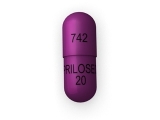
Mirtazapine
Gastro Health

Mirtazapine

Mirtazapine — Description will be added later. Active ingredient: .

Select Dosage

Package Per Pill Total Price Action

Product Information

Discover Relief: How Mirtazapine 15mg Can Revolutionize Your Gastro Health Journey

Problem Description: The Silent Struggle with Gastrointestinal Distress

Millions worldwide silently endure the daily discomfort and debilitating effects of various gastrointestinal issues. These conditions, ranging from chronic nausea and appetite loss to complex motility disorders, significantly diminish quality of life, impacting work, social interactions, and overall well-being. When standard treatments fail to provide consistent relief, or when concurrent issues like anxiety or insomnia complicate the picture, individuals often find themselves searching desperately for effective solutions. Many people frequently ask, "what is mirtazapine used for" when seeking answers beyond conventional digestive aids. The frustration builds when trying to manage persistent symptoms that seem resistant to common remedies like Nexium or Prilosec, which primarily target acid production. The reality is that gastrointestinal health is intrinsically linked to neurological and psychological balance, a connection often overlooked in purely symptomatic treatments. Understanding the root cause, or at least a more comprehensive treatment pathway, is essential for achieving lasting comfort. We recognize the difficulty in navigating the array of medications available, from antidiarrheals like Imodium to prokinetics like Motilium, and the need for a medication that addresses underlying contributing factors. This is where Mirtazapine steps forward as a potentially transformative option, particularly for those whose digestive troubles intersect with mood or sleep disturbances.

How the Medication Helps: The Unique Mechanism of Mirtazapine in Gastro Health

Mirtazapine, while widely known in other therapeutic areas, possesses unique properties that make the 15mg dosage particularly relevant for specific gastrointestinal challenges. Primarily classified as a Noradrenergic and Specific Serotonergic Antidepressant (NaSSA), its action extends beyond mood regulation. A key aspect contributing to its utility in gastro health is its potent antihistaminergic activity, specifically its antagonism of the H1 receptors. This action is profoundly effective in stimulating appetite—a major benefit for patients experiencing cachexia or severe nausea-related weight loss. Furthermore, Mirtazapine influences various neurotransmitter systems that directly impact gut motility and visceral hypersensitivity. For individuals asking "mirtazapine for nausea dosage" or "mirtazapine appetite stimulation," it is crucial to understand that by modulating serotonin receptors (5-HT2 and 5-HT3), it can often alleviate certain types of persistent nausea and vomiting that do not respond well to typical antiemetics. Unlike medications solely focused on acid suppression, such as Pepcid or Zantac, Mirtazapine addresses systemic factors that contribute to GI distress, including anxiety-related gut motility issues. This multi-faceted approach sets it apart when considering treatment options for complex, refractory symptoms.

Benefits: Beyond Symptom Management with Mirtazapine 15mg

The advantages of incorporating Mirtazapine 15mg into a gastro health regimen are substantial and often holistic. The most immediately noticeable benefit for many users is the significant appetite stimulation. If you've searched "does mirtazapine cause weight gain" because you are underweight due to illness, this medication directly addresses that concern by improving caloric intake and overall nutritional status. Secondly, its impact on sleep architecture is often a secondary yet vital benefit. Improved, restorative sleep directly aids in the body's recovery processes, including gut lining repair and reduced systemic inflammation, which are crucial when managing conditions like inflammatory bowel disease, even if Mirtazapine isn't the primary treatment for that specific diagnosis. For patients experiencing anxiety or depression alongside GI symptoms—a very common comorbidity—Mirtazapine offers a dual therapeutic benefit, treating the psychological distress that frequently exacerbates physical symptoms. Many patients report feeling less bothered by internal discomfort when their mood and restfulness improve. Moreover, in cases where motility is sluggish or irregular, the modulation of neurotransmitters can sometimes lead to more normalized gut function compared to relying solely on drugs like Maxolon or Protonix which have more specific, narrower targets. We strongly encourage exploring how Mirtazapine can offer this integrated care.

Safety and Side Effects: A Professional Perspective on Using Mirtazapine

As with any potent medication, understanding the safety profile and potential side effects of Mirtazapine is paramount before commencing treatment. The 15mg dosage is often well-tolerated, representing a lower therapeutic dose compared to those used primarily for major depressive disorder. The most commonly reported side effect is sedation or drowsiness, especially when initiating treatment or when taking the dose earlier in the evening. This is directly linked to its potent H1 receptor antagonism. Patients must exercise caution when operating heavy machinery or driving until they understand how the medication affects them—a critical piece of advice often sought when users search "mirtazapine side effects drowsiness." Another frequent observation, especially relevant to gastro health applications, is increased appetite leading to weight gain over time. While this is a desired effect in underweight patients, it requires monitoring in others. Less common but important side effects include dry mouth, dizziness, and, rarely, changes in blood counts or liver function. It is essential to discuss all current medications with your healthcare provider, especially those affecting serotonin levels, to avoid interactions. For instance, when considering alternatives like Aciphex for GERD, ensure your physician reviews the entire regimen. Regular monitoring, as advised by your prescribing physician, ensures that the benefits of appetite stimulation and symptom relief outweigh any potential adverse effects. Patients often query "mirtazapine 15mg withdrawal symptoms," emphasizing the need for gradual tapering under medical supervision if discontinuation becomes necessary.

Reviews/Social Proof: Real-World Experiences with Mirtazapine

The collective experience of individuals who have integrated Mirtazapine into their treatment plans for GI-related issues often highlights its unique impact. Many users report that while other medications managed specific symptoms—perhaps Dexilant handled acid reflux moderately well, or Cytotec was used for mucosal protection—they still suffered from the demoralizing cycle of poor appetite and weight loss. Testimonials frequently mention that Mirtazapine broke this cycle. One common sentiment found when researching "mirtazapine for appetite loss reviews" is the rapid onset of increased hunger, often within the first week. Patients struggling with chronic illness often find that regaining nutritional vigor profoundly improves their ability to cope with their underlying condition. Furthermore, users who also struggled with nocturnal waking due to GI discomfort or anxiety report significantly improved, uninterrupted sleep, allowing them to face the next day with more energy. While clinical studies provide the backbone of evidence, these real-world accounts underscore the practical, life-altering benefits, especially for those whose GI problems are intrinsically linked to concurrent mood or sleep disturbances. It reinforces why many physicians consider Mirtazapine a strong option when addressing complex, multifactorial digestive complaints.

Dosage and Administration: Optimizing Your Mirtazapine Regimen

The standard starting dosage for Mirtazapine when targeting appetite stimulation or sleep improvement in the context of gastro health is frequently 15mg, administered orally, usually once daily. The tablet should be swallowed whole, ideally taken at bedtime due to the pronounced sedative effects. It is crucial to adhere strictly to the prescribed dosage; self-adjusting the dose based on perceived effects can lead to unnecessary side effects or reduced efficacy. For patients transitioning from other treatments, such as those using Esomeprazole for acid reflux, the introduction of Mirtazapine must be managed carefully by a physician. Dosage adjustments are individualized. If the initial goal is purely appetite stimulation, 15mg is often sufficient. If higher doses (e.g., 30mg or 45mg) are considered, this is usually for primary mood stabilization, and the side effect profile, particularly sedation, may increase. Always consult your specialist if you are wondering "what is the maximum dose of mirtazapine," as this is dependent on your overall health profile and treatment goals. The goal at 15mg is gentle, systemic support that encourages better nutrition and rest, which are fundamental to GI recovery.

Price and Where to Buy: Securing Access to Mirtazapine 15mg

Accessing effective treatment should not be a source of undue stress. Mirtazapine 15mg is generally available as a generic medication, which significantly improves affordability compared to many newer, branded GI-specific drugs like Rabeprazole or Pentasa. The actual price will vary based on your geographical location, insurance coverage, and whether you opt for a mail-order pharmacy or a local retail outlet. We encourage patients to compare prices across different providers. When seeking to purchase Mirtazapine, it is imperative to obtain a valid prescription from a licensed healthcare provider. Online pharmacies that require a prescription are a convenient option, but consumers must verify their legitimacy to ensure they receive authentic, high-quality medication. Ask your pharmacist, "mirtazapine 15mg cost without insurance," to get an accurate baseline figure. Investing in your gastro health by securing a reliable supply of Mirtazapine can lead to profound improvements in your daily functioning and overall outlook.

Take the proactive step today. If you have been struggling with persistent appetite loss, underlying anxiety complicating your digestive health, or sleep disturbances linked to your GI issues, exploring the therapeutic potential of Mirtazapine 15mg with your doctor is a critical next move. Don't let chronic discomfort dictate your life any longer.

Frequently Asked Questions (FAQ) about Mirtazapine in GI Context

Q1: Can Mirtazapine replace my current acid reflux medication like Prevacid?

A1: No. Mirtazapine is not a proton pump inhibitor (PPI) or an H2 blocker; it does not primarily reduce stomach acid production. If you are treating diagnosed GERD or ulcers, you should continue your prescribed acid-suppressing medication unless explicitly instructed otherwise by your physician. Mirtazapine addresses secondary issues like appetite and mood which may influence GI symptoms, but it is not a direct substitute for acid reducers.

Q2: How long does it take to feel the appetite-stimulating effects of Mirtazapine?

A2: Users often report noticing increased hunger and a desire to eat more within the first one to two weeks of consistent use at the 15mg dosage. The full benefit on weight stabilization, however, may take several weeks to months to become fully apparent.

Q3: Is Mirtazapine a suitable treatment if my only GI symptom is chronic mild indigestion?

A3: While Mirtazapine might improve overall well-being which could indirectly help, it is generally reserved for cases where there is a clear need for appetite stimulation, sleep improvement, or when anxiety is a significant complicating factor in the GI distress. For simple indigestion, treatments like Motilium (domperidone) or specific prokinetics might be explored first, though always under medical guidance. If you are considering this for general upset, ask your doctor, "mirtazapine for general stomach upset."

Conclusion — A Comprehensive Path to Gastrointestinal Well-being

Mirtazapine 15mg offers a compelling, multi-target approach for individuals facing complex gastrointestinal health challenges, especially where co-occurring issues like poor appetite, weight loss, and disturbed sleep diminish recovery. Its unique pharmacological profile allows it to stimulate vital functions often neglected by single-mechanism drugs. By improving appetite, promoting restorative sleep, and potentially easing anxiety-related gut symptoms, Mirtazapine supports a foundation upon which true healing can occur. If you are seeking a medication that treats more than just the surface symptoms, and you are tired of unsuccessful searches like "best medication for low appetite and anxiety," it is time to have a serious discussion with your healthcare provider about integrating Mirtazapine into your care plan. Do not delay reclaiming your health; speak to your physician today to determine if Mirtazapine 15mg is the right next step for your gastro health journey.

Related Products