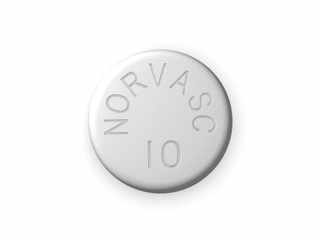
Norvasc
Blood Pressure

Norvasc

Active Ingredient: Amlodipine

Norvasc — description will be added later. Active ingredient: .

Select Dosage

Package Per Pill Total Price Action

Product Information

Achieve Optimal Blood Pressure Control: Why Choosing Norvasc (Amlodipine 5mg) is Your Smart Next Step for Cardiovascular Health

Problem Description: The Silent Threat of Hypertension

Hypertension, commonly known as high blood pressure, is a pervasive and often silent epidemic affecting millions globally. It is a serious medical condition where the force of the blood against your artery walls is consistently too high. Over time, this sustained high pressure damages the delicate lining of your arteries, forcing your heart to work harder, which dramatically increases your risk of severe health events, including heart attack, stroke, heart failure, and kidney disease. Understanding the gravity of this condition is the first crucial step toward proactive management. Many individuals initially feel fine, which is why regular monitoring is vital, and when intervention is necessary, selecting the right medication is paramount. If you are searching for effective blood pressure medication, you need a treatment with proven efficacy and a favorable side-effect profile.

The challenge in managing hypertension lies not just in lowering the numbers, but in maintaining that control consistently without disrupting daily life. Many older generation treatments presented trade-offs—significant blood pressure reduction often came bundled with undesirable side effects like persistent fatigue or excessive fluid retention. Patients often ask, what is the best calcium channel blocker for hypertension, seeking a reliable answer that balances efficacy with tolerability. This is where modern pharmaceutical solutions, designed for sustained therapeutic benefit, become indispensable tools in the fight against cardiovascular risk factors.

How the Medication Helps: The Mechanism of Norvasc

Norvasc, whose active ingredient is Amlodipine, belongs to a class of drugs known as calcium channel blockers. Its function is highly targeted and effective: it relaxes and widens blood vessels by preventing calcium from entering the cells of the heart and artery walls. This action reduces the resistance to blood flow, thereby lowering blood pressure. Because the arteries can expand more easily, the heart does not need to pump as forcefully, leading to a significant, smooth, and sustained reduction in systolic and diastolic readings. This targeted approach makes Norvasc a first-line treatment option recommended by numerous international medical guidelines.

A key advantage of Amlodipine over some other calcium channel blockers is its long half-life, which allows for once-daily dosing. This simplifies the treatment regimen considerably, improving patient adherence—a critical factor in long-term blood pressure management. When patients consider alternatives such as Angiotensin-Converting Enzyme (ACE) inhibitors like Enalapril or Angiotensin II Receptor Blockers (ARBs) like Losartan, they might find that Amlodipine offers a different, yet equally powerful, pathway to vascular health, especially in patients who do not respond adequately to those other classes or experience side effects such as a persistent dry cough associated with ACE inhibitors. Our focus here is on the dependable performance delivered by Norvasc.

Benefits: The Advantages of Choosing Amlodipine

The primary benefit of taking Norvasc is its highly effective and predictable blood pressure lowering effect, which translates directly into reduced cardiovascular morbidity and mortality. Beyond just lowering numbers, Amlodipine has specific qualities that make it a preferred choice for many patients managing chronic conditions. One significant advantage is its efficacy across diverse patient populations, including the elderly and those with isolated systolic hypertension, a common presentation in older adults. Furthermore, studies show that Amlodipine is effective in managing hypertension even in patients who also suffer from stable angina, offering dual therapeutic benefits.

Tolerability is another major selling point. While no medication is entirely without potential side effects, the side effect profile of Norvasc is generally manageable for the majority of users. Compared to some older beta-blockers like Tenormin (Atenolol) which can sometimes cause significant fatigue, or certain diuretics like Chlorthalidone which can lead to electrolyte imbalances, Amlodipine offers a smoother experience for many. Patients often report feeling little to no difference in their daily energy levels, allowing them to maintain an active lifestyle while controlling their health risks. If you are researching Amlodipine 5mg effectiveness, you will find extensive clinical data supporting its long-term benefits for arterial health.

Another practical benefit relates to drug interactions and combination therapy. Norvasc integrates well into complex medication regimes. For patients whose blood pressure requires more than a single agent, Amlodipine often complements other classes effectively. For instance, it can be safely combined with many ARBs or ACE inhibitors when monotherapy is insufficient. This flexibility means your doctor can fine-tune your regimen precisely to your needs without requiring drastic changes. Have you been wondering how long does it take for Norvasc to work? Typically, noticeable blood pressure reduction begins within 24 to 48 hours, with steady state achieved over several days, providing prompt reassurance that treatment is taking hold.

General Information on Norvasc (Amlodipine)

Norvasc is the globally recognized brand name for the generic drug Amlodipine besylate. As a dihydropyridine calcium channel blocker, it represents a cornerstone in modern antihypertensive therapy. It works locally on the smooth muscle cells lining the blood vessels, causing vasodilation—the widening of the arteries. This vasodilation decreases peripheral vascular resistance, which is the main hurdle the heart must overcome to push blood through the circulatory system. It is crucial to understand that Norvasc is designed for chronic management; it is not intended for acute, immediate blood pressure crises.

The clinical development of Amlodipine aimed specifically at overcoming the pharmacokinetic limitations of earlier calcium channel blockers. Its slow onset of action (when taken orally) allows for gradual hemodynamic changes, minimizing reflex tachycardia (a rapid heart rate sometimes seen with faster-acting vasodilators) and improving overall cardiovascular stability. When comparing it to older alpha-blockers like Hytrin (Terazosin), which often carry risks of orthostatic hypotension (dizziness upon standing), Amlodipine provides a much more controlled and stable pressure environment throughout the day, even when considering interactions with other classes like those found in combination pills like Zestoretic.

Available Forms and Dosages: Finding Your Perfect Fit

Norvasc is most commonly available in tablet form. The active ingredient, Amlodipine, is available in several standardized dosages to accommodate varying levels of hypertension severity and individual patient response. The common available strengths are typically 2.5 mg, 5 mg, and 10 mg. This article specifically focuses on the 5mg dosage, which often serves as the initial starting dose for many adults initiating therapy or those transitioning from other medications. For patients whose blood pressure is well-controlled at 5mg, staying at this dose is ideal for long-term maintenance, as it maximizes benefit while minimizing potential dose-related side effects.

Dosage adjustment is a highly individualized process guided by your healthcare provider’s assessment of your blood pressure readings and your tolerance. If a patient requires further lowering of pressure, the physician might increase the Norvasc dose to 10mg, or they might choose to add a second medication from a different class, such as a beta-blocker like Bisoprolol or a different type of calcium channel blocker if needed. It is essential never to self-adjust your dosage, even if you are feeling better. Adherence to the prescribed strength, such as the Norvasc 5mg dosage, is non-negotiable for sustained benefit.

Safety and Side Effects: Informed Decision Making

When considering any prescription medication, a thorough understanding of safety parameters and potential side effects is mandatory. Norvasc is generally well-tolerated, but like all drugs, it carries potential side effects. The most commonly reported side effect associated with Amlodipine, particularly at higher doses (though possible at 5mg), is peripheral edema—swelling, usually in the ankles and feet. This occurs because of the drug's potent vasodilatory effect on the peripheral vasculature. If this occurs, it is important to discuss it with your doctor, as they may suggest lowering the dose or adding a complementary diuretic.

Other reported, though less frequent, side effects can include headache, flushing, or dizziness. It is rare to encounter severe adverse reactions, but patients should always monitor for signs of allergic reaction or significant changes in heart rhythm. Unlike some other drugs used for hypertension, such as certain mineralocorticoid receptor antagonists or very high doses of certain beta-blockers like Toprol (Metoprolol), Norvasc typically does not cause significant fatigue or sexual dysfunction, which contributes greatly to its favorable long-term compliance rates. Patients taking medications like Coreg (Carvedilol) for heart failure should ensure all medications are reviewed together by their physician, as combinations must be carefully managed. If you frequently search for Norvasc side effects 5mg, rest assured that the 5mg dose generally presents a lower risk profile than the 10mg dose.

Reviews and Social Proof: What Others Say About Norvasc

The true measure of a medication’s success often lies in the real-world experiences of those who rely on it daily. Across various patient forums and healthcare provider feedback channels, Norvasc consistently receives high marks for reliability and ease of use due to its once-daily dosing schedule. Many long-term users appreciate that their blood pressure readings become predictable and stable, removing the daily anxiety often associated with fluctuating high pressure. For those transitioning from complex regimens involving multiple pills daily, switching to a single, once-daily dose of Amlodipine is frequently cited as a massive improvement in quality of life.

Patient testimonials frequently highlight the minimal interference with daily activities. For example, many individuals who require treatment for hypertension also manage conditions like mild renal impairment or coronary artery disease, and they find that Amlodipine allows them to remain active. We see patient discussions where individuals mention successfully managing their pressure while also taking drugs like Atacand (Candesartan) or Telmisartan, finding that the Amlodipine component provides the necessary vascular relaxation. This collective experience underscores the medication’s role as a trusted workhorse in cardiovascular management. If you are searching for reviews of Norvasc for blood pressure, you will find overwhelming consensus regarding its stability.

CALL TO ACTION: Do not let high blood pressure dictate your future health. Take control today by discussing Norvasc (Amlodipine 5mg) with your prescribing physician. Your proactive step now ensures a healthier tomorrow.

Dosage Management: Achieving Therapeutic Targets

As previously mentioned, the 5mg tablet strength of Norvasc is a standard starting point, particularly for older adults or those with liver impairment, or as a step-up dose if a lower strength (2.5mg) proves insufficient. The typical maintenance dose ranges from 5mg to 10mg once daily. The goal of therapy is always to reach and maintain a target blood pressure, usually below 130/80 mmHg, depending on individual risk factors and comorbidities. Doctors carefully titrate the dose upwards based on follow-up readings taken several weeks apart, ensuring that the patient reaches their target without experiencing dose-limiting side effects.

It is vital to adhere strictly to the prescribed schedule. Skipping doses or doubling up is highly discouraged. If you miss a dose, take it as soon as you remember, unless it is nearly time for your next scheduled dose—in which case you should skip the missed dose and resume your regular schedule. This careful adherence is especially important for long-acting drugs like Amlodipine. For patients struggling with adherence, exploring combination pills that contain Amlodipine alongside another agent, like an ARB such as Cozaar (Losartan), might be an option your doctor explores, or perhaps a medication with a different dosing profile like Altace (Ramipril).

Price and Where to Buy: Accessing Your Treatment

Understanding the economic aspect of long-term medication is crucial for compliance. Since Amlodipine is available as a generic drug, Norvasc (the brand name) and its generic equivalents are generally very accessible and affordable, especially when compared to newer, patented antihypertensive drugs. The cost can fluctuate based on your insurance coverage, local pharmacy pricing structures, and whether you opt for the brand name Norvasc or the generic Amlodipine. We strongly advise you to inquire about both options at your preferred pharmacy. If cost remains a barrier, investigating patient assistance programs or utilizing prescription discount cards can often substantially reduce out-of-pocket expenses for essential medications like this.

When seeking to purchase your medication, always ensure you are obtaining it from a licensed, reputable pharmacy. Be wary of online sources that require no prescription, especially if you are looking to buy higher strengths like 10mg or if you are exploring older, less common agents like Loniten (Minoxidil), which requires strict medical supervision. For reliable sourcing of your prescribed Norvasc 5mg tablets, a consultation with your healthcare provider followed by an order to a licensed pharmacy is the only safe route. If your doctor needs to check alternatives, they might compare it to the profile of a calcium channel blocker like Isoptin Sr (Verapamil) before making a final decision.

Frequently Asked Questions (FAQ) About Norvasc

H4: Can I stop taking Norvasc if my blood pressure is normal?

This is a critical question. Absolutely not. Hypertension is a chronic condition, and Norvasc manages the symptoms (the high pressure), but it does not cure the underlying predisposition to high pressure. Stopping treatment abruptly can lead to a dangerous rebound effect, causing your blood pressure to spike rapidly, increasing your immediate risk of stroke or heart attack. Always continue taking your medication exactly as prescribed unless specifically instructed otherwise by your doctor.

H4: Is Norvasc safe to take with most over-the-counter pain relievers?

In most cases, Amlodipine 5mg is safe when taken alongside common over-the-counter pain relievers like acetaminophen (paracetamol). However, you should exercise caution with Nonsteroidal Anti-inflammatory Drugs (NSAIDs) such as ibuprofen or naproxen, especially at high doses or with long-term use, as NSAIDs can sometimes reduce the blood pressure-lowering effect of Amlodipine and may increase the risk of kidney issues when combined with other antihypertensives. Always consult your pharmacist or doctor regarding any new OTC medication.

H4: Does Norvasc affect blood sugar levels?

Generally, Amlodipine does not have a significant adverse impact on glucose metabolism, making it a favorable choice for patients who also have diabetes. This contrasts positively with some older diuretic classes which sometimes complicate glucose control. If you are seeking long-term control for hypertension and diabetes, Amlodipine is often a well-regarded component of the treatment strategy.

H4: How does Norvasc compare to medications like Bystolic?

Norvasc (Amlodipine) is a calcium channel blocker, working primarily on vascular smooth muscle relaxation. Bystolic (Nebivolol) is a third-generation beta-blocker that works by slowing the heart rate and reducing contractility. They work via entirely different mechanisms. While both effectively lower blood pressure, Nebivolol also offers nitric oxide-mediated vasodilation, while Amlodipine offers profound peripheral vasodilation. The choice between them, or the decision to combine them, depends entirely on your specific heart function, coexisting conditions, and individual response profile.

Conclusion

Norvasc, powered by the proven active ingredient Amlodipine, stands as a highly effective, reliable, and well-tolerated medication for managing hypertension. With its convenient once-daily dosing, favorable efficacy across diverse patient groups, and established safety record, the Norvasc 5mg tablet offers a powerful tool to stabilize your blood pressure, reduce your cardiovascular risk, and allow you to live life with less worry about the silent killer. Don't delay essential cardiovascular care. Consult your healthcare provider today to see if Norvasc is the right foundation for your long-term blood pressure management strategy.

Related Products