Skin Care Spotlight: Protopic, Tretiva & More Preparations
Skin Care Spotlight: Protopic, Tretiva & More Preparations
Exploring Advanced Skincare Treatments
The realm of skincare extends far beyond basic cleansing and moisturizing. For individuals seeking to address persistent skin concerns, a range of advanced therapeutic options are available. These treatments often involve potent active ingredients that target specific dermatological conditions, aiming for significant improvement in skin health and appearance.
Understanding the Landscape of Therapeutic Skincare
When common over-the-counter products fall short, prescription-strength formulations and specialized treatments become necessary. These can address issues ranging from chronic inflammatory conditions to severe acne and precancerous lesions. Understanding the different categories of these advanced treatments is key to navigating the options available.
The Role of Immunomodulators
Some skin conditions are characterized by an overactive immune response in the skin. Immunomodulators work by calming this response, thereby reducing inflammation and associated symptoms. This approach is particularly useful for chronic inflammatory dermatoses.
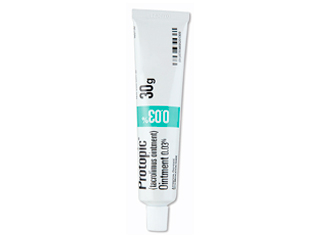
One notable example in this category is Protopic. This topical medication contains tacrolimus, a calcineurin inhibitor. It is frequently utilized in the management of atopic dermatitis (eczema) by suppressing the inflammatory processes that contribute to redness, itching, and discomfort.
Retinoids: A Cornerstone of Dermatological Therapy
Retinoids, derivatives of vitamin A, are a highly effective class of compounds used in dermatology for a wide array of skin concerns. They work by influencing cell turnover, promoting collagen production, and unclogging pores. Their versatility makes them a vital tool for treating acne, photoaging, and certain other skin irregularities.
Within the retinoid family, there are various strengths and formulations. Some are available over-the-counter, while others require a prescription due to their potency. The specific type and concentration are typically determined by the dermatologist based on the individual's skin condition and sensitivity.
Specific Prescription Retinoid Treatments
Several prescription-strength retinoids are widely recognized for their efficacy. These medications often require careful application and monitoring to maximize benefits while minimizing potential side effects.
One such potent retinoid is Tretiva. This topical formulation, often prescribed for moderate to severe acne, works by exfoliating the skin and preventing the formation of comedones (blackheads and whiteheads). Its mechanism of action helps to clear existing blemishes and prevent new ones from forming.
Another powerful retinoid, often used systemically for severe acne, is Isotretinoin. This oral medication is a highly effective treatment that targets all major factors contributing to acne formation, including excess oil production, clogged pores, and inflammation. Due to its potent effects and potential side effects, it is typically reserved for cases of acne that have not responded to other treatments.
Beyond acne treatment, certain retinoids are also used for their anti-aging and skin-renewing properties. They can help to reduce the appearance of fine lines, wrinkles, and uneven skin tone by stimulating collagen synthesis and increasing cell turnover.
The Role of Immune Response Modifiers
Beyond immunomodulators that broadly suppress immune responses, there are also treatments that specifically target and modify immune system activity in the skin. These can be effective for conditions where a targeted immune response is beneficial.
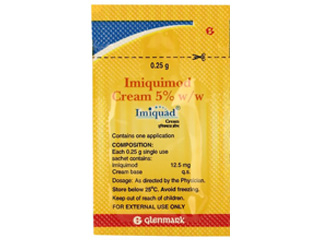
A prominent example of an immune response modifier is Imiquimod. This topical cream works by stimulating the body's own immune system to fight abnormal cells, such as those found in certain types of skin cancer and genital warts. It essentially "trains" the immune system to recognize and attack the problematic cells.
Third-Generation Retinoids and Their Applications
The evolution of retinoid research has led to the development of newer generations with improved efficacy and sometimes more favorable side-effect profiles. These advanced formulations offer targeted therapeutic benefits for a range of dermatological concerns.
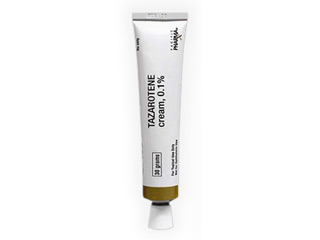
One such advanced retinoid is Tazarotene. This topical retinoid is used to treat conditions like psoriasis and acne. It works by normalizing the growth and differentiation of skin cells, reducing inflammation, and preventing the formation of acne lesions. Its efficacy in treating these challenging conditions makes it a valuable therapeutic option.
Navigating Advanced Skincare Options
The decision to use advanced skincare treatments should always be made in consultation with a qualified healthcare professional. They can accurately diagnose skin conditions, assess individual needs, and recommend the most appropriate course of treatment from the available options.
Each of these medications, including Protopic, Tretiva, Isotretinoin, Imiquimod, and Tazarotene, represents a significant advancement in dermatological care. Their targeted mechanisms of action offer hope and effective solutions for a variety of complex skin issues, contributing to improved skin health and quality of life for many individuals.