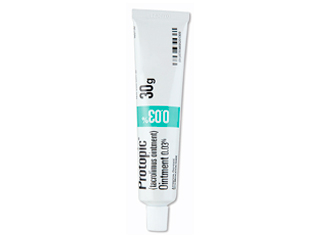
Protopic: Your Path to Clearer, Calmer Skin
Are you tired of the constant discomfort, redness, and itching associated with chronic skin conditions? Do you find yourself searching for effective solutions that offer long-term relief without the harsh side effects often linked to traditional treatments? If so, you're not alone. Many individuals struggle with persistent inflammatory skin issues that impact their daily lives, confidence, and overall well-being. The quest for a reliable treatment can be frustrating, with numerous products promising results but often falling short. Understanding the underlying causes and exploring advanced therapeutic options is crucial in finding a sustainable path to healthier skin.
The Challenge of Inflammatory Skin Conditions
Inflammatory skin conditions, such as eczema (atopic dermatitis) and psoriasis, present significant challenges for those affected. These conditions are characterized by an overactive immune response in the skin, leading to a cycle of inflammation, redness, itching, and discomfort. The constant itching can disrupt sleep, affect concentration, and lead to social anxiety, making it difficult to engage fully in daily activities. Traditional treatments often involve topical corticosteroids, which, while effective for short-term relief, can lead to side effects like skin thinning, stretch marks, and a rebound effect when stopped. This reliance on corticosteroids has led many to seek alternatives that offer comparable efficacy with a better safety profile for long-term management. The search for 'eczema treatment without steroids' is a common one, reflecting this widespread concern.
The impact of these conditions extends beyond the physical. Visible skin inflammation can lead to self-consciousness and a desire to conceal affected areas. This can affect social interactions, professional life, and intimate relationships. Many individuals have tried numerous over-the-counter creams and prescription medications, including topical steroids like Betnovate and Diprolene, with varying degrees of success. Some may find temporary relief but then experience a flare-up once the medication is discontinued. Others might not respond adequately to these treatments at all, necessitating a search for more targeted therapies. The chronic nature of these conditions means that ongoing management is often required, making the choice of medication a significant long-term decision. Patients often ask, "what is the best treatment for severe eczema" and "how to treat atopic dermatitis long term," underscoring the need for sustainable and effective solutions.
Beyond the immediate symptoms, the long-term implications of inflammatory skin diseases are also a concern. Persistent inflammation can alter skin texture and structure, making it more susceptible to infections. The emotional toll of living with a visible and often uncomfortable condition should not be underestimated. Many individuals express feelings of frustration and helplessness as they navigate the complex landscape of treatment options. This has fueled a demand for medications that not only manage symptoms but also address the underlying inflammatory processes in a more nuanced way. The search for "eczema relief for adults" is a testament to the persistent challenges faced by many. Similarly, the question "how to reduce itchy skin" is a primary concern for individuals suffering from these conditions.
Introducing Protopic: A Targeted Approach to Skin Health
This is where Protopic, with its active ingredient Tacrolimus, offers a breakthrough. Unlike topical corticosteroids that suppress the immune system broadly, Protopic works by selectively inhibiting calcineurin, an enzyme involved in activating T-cells. T-cells are a key component of the immune system that contributes to the inflammation seen in conditions like atopic dermatitis. By targeting these specific pathways, Protopic effectively reduces inflammation, redness, and itching without the significant side effects associated with long-term corticosteroid use. This targeted mechanism makes it a valuable option for individuals seeking more than just symptomatic relief.
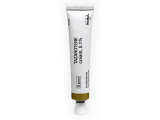
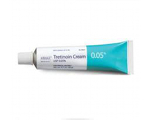
The active ingredient in Protopic is Tacrolimus, a calcineurin inhibitor. This class of medication works by modulating the immune response within the skin. When the skin is inflamed due to conditions like eczema, immune cells, particularly T-cells, release inflammatory mediators that cause redness, itching, and swelling. Tacrolimus penetrates the skin and specifically targets these T-cells, preventing them from releasing these inflammatory substances. This leads to a reduction in inflammation and relief from the associated symptoms. Many patients find this approach offers a significant improvement over treatments that suppress the immune system more generally. It’s important to understand the mechanism of action when comparing it to other available treatments, such as topical retinoids like Tazarotene or Tretinoin Cream, which address different skin concerns.
The development of calcineurin inhibitors like Tacrolimus marked a significant advancement in the treatment of inflammatory skin diseases. For years, topical corticosteroids were the primary line of treatment. While effective, their long-term use was associated with a range of side effects, including skin atrophy, telangiectasias (spider veins), and hypopigmentation. This prompted the search for alternative therapies that could offer similar efficacy with a better safety profile for chronic conditions. Protopic emerged as a leading option, providing a non-steroidal way to manage moderate to severe eczema and other inflammatory skin conditions. This innovation has been a game-changer for many patients who previously struggled with the limitations of corticosteroid therapy.
The unique mechanism of Protopic also means it can be used on sensitive areas of the body where skin is thinner and more prone to the side effects of corticosteroids, such as the face, eyelids, and skin folds. This versatility makes it a comprehensive treatment option for widespread or localized inflammatory skin conditions. Unlike some other topical agents that might cause dryness or irritation, Protopic is formulated to be well-tolerated, contributing to better patient adherence and overall treatment success. This is particularly relevant when considering alternatives such as Pimecrolimus, another calcineurin inhibitor with a similar mechanism of action.
The Benefits of Choosing Protopic
One of the most significant benefits of Protopic is its efficacy in reducing inflammation, redness, and itching associated with conditions like atopic dermatitis. Many users report a noticeable improvement in their skin within weeks of starting treatment. This relief from debilitating symptoms can dramatically improve quality of life, allowing individuals to sleep better, feel more confident, and participate more fully in social and professional activities. The reduction in itching is often the most immediately noticeable benefit, as chronic itching can be incredibly distressing and disruptive.
Another key advantage of Protopic is its non-steroidal nature. This means it does not carry the risk of skin thinning (atrophy), stretch marks, or other long-term side effects commonly associated with prolonged use of topical corticosteroids. This makes it an ideal choice for long-term management of chronic skin conditions, providing a safer alternative for ongoing care. For individuals who have experienced adverse effects from corticosteroids or are concerned about them, the non-steroidal aspect of Protopic is a major draw. This is particularly relevant when compared to potent topical steroids like Temovate 0.05%, which require careful monitoring for side effects.
Protopic can be used on various parts of the body, including sensitive areas like the face, neck, and skin folds, where the skin is thinner and more susceptible to damage from corticosteroids. This versatility offers a comprehensive treatment solution for patients with widespread or localized inflammatory skin conditions. The ability to treat sensitive areas effectively and safely is a crucial benefit that sets Protopic apart. Many patients struggle to find effective and safe treatments for facial eczema, making this a particularly valuable aspect of Protopic's profile. It offers hope for those who have been unable to find relief in other treatments.
Furthermore, Protopic has been shown to help restore the skin's barrier function over time. A compromised skin barrier is a hallmark of atopic dermatitis, leading to increased water loss and greater susceptibility to irritants and allergens. By reducing inflammation and improving the skin's overall health, Protopic can contribute to a stronger, more resilient skin barrier, which may reduce the frequency and severity of future flare-ups. This long-term benefit is crucial for managing chronic conditions and improving the overall health and appearance of the skin. This focus on barrier repair is a key differentiator from many other treatments.
Many individuals also appreciate the convenience of Protopic. It is applied topically, typically twice daily, and integrates easily into a daily skincare routine. The formulation is designed to be absorbed effectively, providing targeted relief where it's needed most. The ease of application contributes to better patient compliance, which is essential for achieving optimal treatment outcomes. When considering different treatment modalities, the simplicity of application is often a deciding factor for many patients. This ease of use is a significant advantage, especially for those managing chronic conditions that require consistent care.
The effectiveness of Protopic is well-documented through numerous clinical studies and real-world patient experiences. It has been proven to be a valuable tool in the management of moderate to severe atopic dermatitis and other inflammatory skin conditions. For those who have struggled with other treatments, including over-the-counter options and prescription medications like Betamethasone or even oral medications like Gresiofulvin for fungal infections which are sometimes confused with eczema, Protopic offers a new hope for clearer, healthier skin. The long-term studies supporting its use provide confidence in its efficacy.
Safety and Understanding Potential Side Effects
Like all medications, Protopic can have side effects, although not everyone experiences them. The most common side effect is a burning or stinging sensation at the application site, which usually subsides after a few days of consistent use as the skin adjusts. Other potential side effects include redness, warmth, itching, and increased sensitivity to sunlight. It is important to discuss any concerns about side effects with your healthcare provider. They can help you manage these symptoms and ensure Protopic is the right treatment for you.
It is crucial to be aware of the safety profile of Protopic. Clinical studies have shown that the risk of systemic immunosuppression from topical Tacrolimus is very low, especially when used as directed. However, there have been rare reports of certain types of cancer, including skin cancer and lymphoma, in patients using calcineurin inhibitors. The FDA has placed a boxed warning on Protopic and similar medications highlighting this potential risk. It is important to note that a causal link has not been definitively established, and the overall risk is considered very small, especially when compared to the risks associated with chronic corticosteroid use. Your doctor will weigh the benefits against the potential risks when prescribing Protopic.
To minimize the risk of side effects, it is important to use Protopic exactly as prescribed by your doctor. Avoid prolonged exposure to sunlight and tanning beds while using Protopic. If you must be in the sun, use sunscreen and wear protective clothing. Discuss any history of skin cancer or other significant medical conditions with your doctor before starting treatment. Regular follow-up appointments are essential to monitor your progress and address any concerns that may arise. This proactive approach ensures that you are receiving the maximum benefit from the medication while minimizing potential risks. Many patients find that using a broad-spectrum sunscreen daily helps manage sun sensitivity.
It is also important to inform your doctor about all other medications you are taking, including over-the-counter drugs and herbal supplements, as they could potentially interact with Protopic. While Protopic is generally well-tolerated, it's always best to err on the side of caution and ensure your healthcare provider has a complete picture of your health status. This comprehensive approach to medication management is key to safe and effective treatment. For instance, if you are using other topical treatments like Tretiva or considering treatments for hyperpigmentation, it is vital to discuss this with your doctor.
For those concerned about safety, understanding that Protopic offers a non-steroidal alternative is a significant reassurance. While any medication carries some risk, the extensive research and clinical experience with Protopic support its favorable safety profile for the long-term management of inflammatory skin conditions. The decision to use Protopic should always be made in consultation with a qualified healthcare professional who can assess your individual needs and provide personalized guidance. This collaborative approach ensures you are making the best informed decision for your health. Many users also find reassurance in the fact that it is not a corticosteroid, which has a well-known list of potential long-term side effects. The question "Protopic vs corticosteroid side effects" is a common one that highlights this patient concern.
Real Stories: What Users Are Saying About Protopic
The true measure of a medication's success often lies in the experiences of those who use it. Countless individuals have found relief and renewed confidence through Protopic. Sarah, a 32-year-old who has struggled with severe eczema since childhood, shares her story: "For years, I felt like my skin controlled my life. I tried everything, from potent steroids that thinned my skin to countless home remedies. Nothing worked long-term. Since starting Protopic, my skin has been clearer than I ever thought possible. The itching is gone, and I can finally sleep through the night. It's given me my confidence back."
Mark, a 45-year-old architect, also found significant relief. "My eczema was particularly bad on my face and hands, which made social interactions and my work challenging. I was hesitant about trying another new medication, but my dermatologist recommended Protopic. Within a few weeks, the redness and scaling significantly reduced. It's been a life-changer for me. I no longer feel self-conscious about my appearance, and the relief from itching is incredible." His journey highlights how effective topical treatments can be for even persistent and visible conditions. He also mentioned that he had previously tried treatments for fungal issues, like Fulvicin, without success, underscoring the need for accurate diagnosis and targeted therapy.
Another user, Emily, a student in her early twenties, expressed her gratitude: "I was always embarrassed about my eczema, especially during warm weather when it flared up. I felt like I had to constantly hide it. Protopic has made a huge difference. It's gentle enough for my sensitive skin, and it actually works. My skin is so much smoother and less red. I can wear short sleeves and not worry about it. It's amazing to feel normal again." Her experience underscores the emotional and social impact of skin conditions and how effective treatment can restore a sense of normalcy.
The consistent theme across user reviews is the profound improvement in quality of life. Users often highlight the reduction in itching and inflammation, the improved appearance of their skin, and the absence of steroid-related side effects as major benefits. Many express relief at finding a treatment that is both effective and safe for long-term use. The ability to treat sensitive areas like the face and eyelids without the same concerns associated with corticosteroids is frequently mentioned as a key advantage. This positive feedback reinforces the value of Protopic as a treatment option for individuals with moderate to severe inflammatory skin conditions.
When considering treatments, patients often compare different options, asking "Protopic vs Elidel," referring to Pimecrolimus, another calcineurin inhibitor. The shared positive experiences with both medications underscore the effectiveness of this class of drugs. Similarly, users might research "Protopic uses and side effects" to understand the full scope of the medication. The positive testimonials suggest that for many, the benefits of Protopic significantly outweigh the potential drawbacks, leading to a dramatic improvement in their skin and overall well-being. The search for "eczema cream that works" is a frequent query, and the testimonials for Protopic directly address this need.
Dosage and How to Use Protopic
Protopic is available in two strengths: 0.03% and 0.1% Tacrolimus ointment. Your doctor will determine the most appropriate strength and dosage for your specific condition and skin type. Typically, Protopic is applied as a thin layer to the affected areas of the skin twice daily. It is important to wash your hands before and after application.
To use Protopic effectively, cleanse the affected skin area gently and pat it dry. Apply a thin layer of the ointment to cover the affected skin. Do not rub it in vigorously. It is important to avoid contact with the eyes, mouth, and mucous membranes. If accidental contact occurs, rinse thoroughly with water. Store Protopic at room temperature, away from heat and direct sunlight, and keep it out of reach of children. Follow your doctor's instructions precisely regarding the duration and frequency of application.
The dosage may be adjusted based on the severity of your condition and your response to treatment. In some cases, once the condition has improved, your doctor may recommend using Protopic less frequently, such as once a day or a few times a week, to maintain remission. This approach, known as maintenance therapy, can help prevent flare-ups and keep the skin healthy long-term. Always follow your doctor's guidance on how to taper or adjust the dosage. This is a key part of managing chronic conditions effectively and sustainably.
It is important to remember that Protopic is a prescription medication. Do not share it with others, even if they have similar symptoms. If you miss a dose, apply it as soon as you remember, unless it is close to the time of your next dose. In that case, skip the missed dose and resume your regular dosing schedule. Do not apply a double dose to make up for a missed one. Adhering to the prescribed regimen is crucial for optimal results and to minimize the risk of side effects.
When considering how to use Protopic, it's also important to integrate it into your overall skincare routine. Avoid harsh soaps or cleansers that can strip the skin of its natural oils. Opt for gentle, fragrance-free moisturizers to keep the skin hydrated. Your doctor can provide specific recommendations on complementary skincare practices that will enhance the effectiveness of Protopic and support skin health. Asking "how to apply Protopic ointment" is a common user query that highlights the need for clear instructions.
Price and Where to Buy Protopic
The price of Protopic can vary depending on the strength, the quantity purchased, and your insurance coverage. As a prescription medication, it is available through licensed pharmacies. You can obtain Protopic from your local retail pharmacy or through reputable online pharmacies. It is essential to ensure that you are purchasing from a legitimate source to guarantee the authenticity and quality of the medication.
Many insurance plans provide coverage for Protopic, but it's always best to check with your insurance provider for specific details regarding your co-pay and any prior authorization requirements. If you have concerns about the cost, speak with your doctor or pharmacist. They may be able to suggest cost-saving options, such as generic alternatives or patient assistance programs, if available. Exploring options like Tacrolimus, the active ingredient itself, might reveal further possibilities for cost-effective treatment, sometimes referred to as generic Protopic.
When purchasing Protopic online, it is crucial to exercise caution and ensure you are using a licensed and regulated online pharmacy. Look for pharmacies that require a valid prescription and have clear contact information and customer service channels. Be wary of websites that offer significant discounts or do not require a prescription, as these may be selling counterfeit or substandard products. Your health and safety are paramount, so always prioritize legitimate and trustworthy sources. The search for "buy Protopic online" is common, but it must be done with extreme care.
For those seeking to manage their skin conditions effectively, investing in a proven treatment like Protopic can be a worthwhile decision. While the initial cost may seem significant, consider the long-term benefits of improved skin health, reduced discomfort, and enhanced quality of life. Many users find that the relief and improved well-being provided by Protopic make it a valuable investment in their health. The question "Protopic ointment price" often comes up as patients weigh their options.
Your healthcare provider is your best resource for information on obtaining Protopic. They can provide a prescription and guide you on the most convenient and cost-effective ways to purchase the medication based on your location and insurance situation. Don't hesitate to ask questions about pricing, availability, and any potential alternatives. A well-informed decision is always the best one for your health and well-being.
Frequently Asked Questions About Protopic
Q1: How long does it take for Protopic to start working?
A1: Many users notice an improvement in their symptoms, such as reduced redness and itching, within one to two weeks of starting treatment. However, it may take several weeks to see the full benefits. Consistency in application, as prescribed by your doctor, is key to achieving optimal results. Some individuals may experience a burning sensation initially, which usually subsides as their skin adjusts to the medication.
Q2: Can Protopic be used on children?
A2: Yes, Protopic is approved for use in children as young as two years old. The 0.03% strength is typically recommended for younger patients. Your pediatrician will determine the appropriate dosage and duration of treatment for your child. It's essential to follow their instructions carefully. Many parents find it to be a safe and effective alternative to corticosteroids for their children's eczema.
Q3: What should I do if I miss a dose of Protopic?
A3: If you miss a dose, apply it as soon as you remember, unless it is almost time for your next dose. In that case, skip the missed dose and continue with your regular dosing schedule. Do not apply a double dose to compensate for a missed one. If you are unsure, consult your doctor or pharmacist for guidance. Consistent application is crucial for effectiveness.
Q4: Can I use Protopic with other skincare products?
A4: Yes, you can use moisturizers and other skincare products with Protopic. However, it's advisable to apply moisturizers after Protopic has been absorbed into the skin. Avoid using harsh soaps or products that contain alcohol or fragrances, as these can irritate the skin. Your doctor can provide personalized recommendations for a skincare regimen that complements Protopic treatment. It's always wise to discuss any new products with your doctor, especially if you are using other topical treatments like Renova for different skin concerns.
Q5: Is Protopic a steroid?
A5: No, Protopic is not a corticosteroid. Its active ingredient, Tacrolimus, is a calcineurin inhibitor. This means it works by targeting specific immune pathways involved in inflammation without the potential side effects associated with long-term steroid use, such as skin thinning. This distinction is a significant advantage for many patients seeking a safer, non-steroidal treatment option.
Take the Next Step Towards Healthier Skin
If you are struggling with the persistent discomfort, redness, and itching of inflammatory skin conditions, it's time to explore a treatment that offers effective relief and a better long-term safety profile. Protopic, with its active ingredient Tacrolimus, provides a targeted, non-steroidal approach to managing conditions like atopic dermatitis. Experience the benefits of reduced inflammation, diminished itching, and the potential for a stronger, healthier skin barrier. Don't let skin discomfort dictate your life any longer.
Consult your doctor today to see if Protopic is the right solution for you. Visit your local pharmacy or a trusted online provider to learn more about obtaining Protopic and start your journey towards clearer, calmer, and healthier skin. Your path to relief is within reach.