Unlock Your Best Skin: Discover the Unparalleled Power of Retin-A Gel for Acne and Anti-Aging!
Welcome to a comprehensive guide dedicated to transforming your skin with Retin-A Gel. If you are seeking a proven solution to persistent skin challenges like acne, fine lines, wrinkles, or uneven skin tone, you have arrived at the right place. This article delves deep into the science, benefits, and proper usage of this remarkable medication, offering insights to help you make an informed decision about your skincare journey.
For decades, dermatologists have trusted Tretinoin, the active ingredient in Retin-A Gel, as a gold standard in topical dermatology. Its efficacy is backed by extensive research and countless success stories from individuals worldwide. Prepare to explore how this powerful gel can revitalize your complexion, providing clearer, smoother, and more youthful-looking skin. We will cover everything from its mechanism of action to practical application tips.
General Information about Retin-A Gel
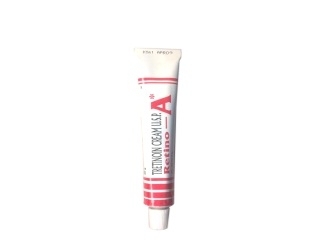
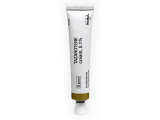
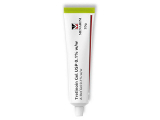
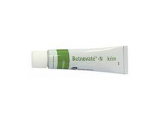
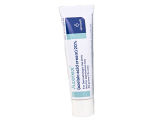
Retin-A Gel is a highly effective topical medication renowned for its ability to treat various skin conditions. Its primary active ingredient, Tretinoin, is a retinoid, a derivative of vitamin A. This powerful compound works at a cellular level to promote healthier skin cell turnover and collagen production, addressing multiple concerns simultaneously. The specific dosage we are focusing on is Retin-A Gel 0.025%, which is often recommended for those beginning their Tretinoin journey or individuals with sensitive skin.
Unlike many over-the-counter skincare products, Retin-A Gel is a prescription-strength medication. This distinction underscores its potency and the importance of professional guidance when incorporating it into your routine. It is not merely a cosmetic enhancement but a therapeutic intervention designed to bring about significant, visible improvements in skin health. Understanding its strength is key to safe and effective use.
Problem Description: The Daily Skin Battles We Face
Many individuals grapple with a range of frustrating skin concerns that impact their confidence and quality of life. Acne, for instance, is a widespread issue affecting teenagers and adults alike, leading to unsightly breakouts, inflammation, and potential scarring. The constant struggle with pimples, blackheads, and whiteheads can be both physically uncomfortable and emotionally draining, often causing a significant drop in self-esteem and social anxiety. Finding an effective treatment for this persistent condition is a top priority for millions.
Beyond acne, the visible signs of aging are another common concern that motivates people to seek effective skincare solutions. Fine lines, wrinkles, and crow's feet inevitably appear as we age, diminishing the skin's youthful radiance and firmness. Sun exposure, environmental pollutants, and natural collagen depletion contribute to these changes, making skin appear dull and less vibrant. Many desire a product that can visibly reduce these signs and restore a more youthful appearance.
Furthermore, issues like hyperpigmentation, uneven skin tone, and rough skin texture plague many complexions. Dark spots from sun damage, post-inflammatory hyperpigmentation left by acne, and an overall dullness can make skin look tired and unhealthy. These textural irregularities and discoloration can be challenging to address with standard creams, often requiring a more potent intervention to achieve a smooth, even, and luminous complexion. This is where a targeted treatment like Retin-A Gel becomes invaluable.
How Retin-A Gel Helps Transform Your Skin
The magic of Retin-A Gel lies in its active ingredient, Tretinoin, which functions as a retinoid. Tretinoin works by accelerating the skin's natural cell turnover process. It encourages old, dead skin cells to shed more rapidly, making way for new, healthier cells to emerge on the surface. This expedited shedding helps to unclog pores, which is a fundamental step in preventing and treating various forms of acne, including blackheads, whiteheads, and inflammatory lesions. Regular use can significantly diminish existing breakouts.
Moreover, Tretinoin plays a crucial role in stimulating collagen production deep within the skin. Collagen is the essential protein responsible for maintaining skin's firmness, elasticity, and youthful structure. As we age, collagen production naturally declines, leading to the formation of fine lines and wrinkles. By boosting collagen synthesis, Retin-A Gel helps to plump up the skin from within, effectively reducing the appearance of existing wrinkles and preventing new ones from forming. This anti-aging benefit is one of its most celebrated attributes.
The cellular regeneration stimulated by Retin-A Gel also contributes to a more even skin tone and improved texture. By speeding up the shedding of pigment-laden cells, it helps to fade hyperpigmentation, such as sun spots and post-inflammatory marks from acne. The continuous renewal process refines the skin's surface, making it feel smoother and appear more radiant. This comprehensive action tackles multiple skin concerns simultaneously, making it a highly efficient and potent solution for a wide array of dermatological issues.
Available Forms and Dosages
Retin-A Gel is available in various strengths, but this article specifically focuses on the Retin-A Gel 0.025% formulation. This particular strength is often recommended as an excellent starting point for individuals new to Tretinoin. It allows the skin to gradually acclimate to the powerful active ingredient, minimizing potential irritation and discomfort during the initial adjustment period. Starting with a lower concentration helps the skin build tolerance effectively.
While we are discussing the gel formulation, it is important to note that Tretinoin is also available in cream forms, such as Retin-A Cream and Tretinoin Cream, and even as a lotion. The choice between a gel, cream, or lotion often depends on an individual's skin type and personal preference. Gels are typically preferred for oilier or acne-prone skin because they are often less emollient and absorb quickly without leaving a greasy residue, providing a lighter feel. Creams might be more suitable for drier or more sensitive skin types, as they tend to offer more hydration and can feel gentler upon application.
The 0.025% dosage of Retin-A Gel provides significant therapeutic benefits without being overly aggressive, making it suitable for consistent, long-term use in many cases. Higher concentrations, such as 0.05% or 0.1%, are also available but are generally introduced gradually after the skin has tolerated the lower strengths. Always consult with a healthcare professional to determine the most appropriate formulation and strength for your specific skin concerns and type, ensuring a safe and effective treatment plan tailored to your needs.
How to Use Retin-A Gel for Optimal Results
Proper application of Retin-A Gel is paramount to achieving the best results and minimizing potential side effects. Always begin by thoroughly cleansing your face with a mild, non-irritating cleanser. Pat your skin dry completely; it is crucial to apply Retin-A Gel to completely dry skin, typically waiting 20-30 minutes after washing, to reduce irritation. Applying to damp skin can increase penetration and lead to greater sensitivity, which should be avoided, especially when starting the treatment.
Dispense a pea-sized amount of Retin-A Gel onto your fingertip. This small quantity is usually sufficient to cover the entire face. Gently apply a thin layer evenly across your face, avoiding sensitive areas such as the corners of your nose, mouth, and eyes. Do not over-apply, as using more than the recommended amount will not speed up results and will only increase the likelihood of experiencing dryness, redness, and peeling. Less is truly more when it comes to Tretinoin application.
Initially, it is often recommended to use Retin-A Gel every other night or even every third night to allow your skin to adjust. Gradually increase the frequency to nightly application as your skin builds tolerance. Consistency is key, but so is listening to your skin. If excessive irritation occurs, reduce the frequency of application or take a short break before resuming. Always follow the specific instructions provided by your prescribing doctor to ensure the safest and most effective use of this powerful medication.
Benefits of Incorporating Retin-A Gel into Your Skincare Routine
The benefits of using Retin-A Gel extend far beyond simple spot treatment; it offers a holistic approach to skin rejuvenation. One of its most well-documented advantages is its remarkable effectiveness in treating acne. By clearing clogged pores and reducing inflammation, Retin-A Gel helps to prevent new breakouts from forming while treating existing blemishes. Users often report a significant decrease in the frequency and severity of acne, leading to a much clearer complexion. This makes it an indispensable tool for those struggling with persistent acne.
Another major draw of Retin-A Gel is its unparalleled anti-aging prowess. It actively stimulates the production of collagen and elastin, two vital proteins that keep skin firm, smooth, and youthful. With consistent use, fine lines and wrinkles become visibly reduced, and the skin gains a more supple and resilient texture. This profound effect on cellular regeneration contributes to a more youthful appearance, making it a cornerstone of many anti-aging regimens. Many seek Retin-A for wrinkles due to its proven track record.
Furthermore, Retin-A Gel is highly effective in improving overall skin texture and tone. It helps to smooth out rough patches, minimize the appearance of enlarged pores, and fade various forms of hyperpigmentation, including sun spots and post-inflammatory hyperpigmentation. This results in a more uniform, radiant, and even-toned complexion. The continuous cellular turnover reveals fresher, healthier skin cells, enhancing the skin’s natural glow. For those concerned about Tretinoin cream for dark spots, the gel version also delivers impressive results.
The transformative power of Retin-A Gel can lead to a significant boost in self-confidence. Waking up to clearer, smoother, and more vibrant skin can profoundly impact one's self-perception and daily interactions. The long-term benefits of consistent use, including healthier skin cell function and protection against further signs of aging, make it a worthwhile investment in your skin's future. The question of how long does Retin-A take to work often arises, and while results vary, consistent use over several months typically reveals impressive improvements.
Safety and Side Effects: What to Expect
While Retin-A Gel is highly effective, it is also a potent medication, and understanding its potential side effects is crucial for safe usage. During the initial weeks of treatment, many users experience what is often referred to as the "Tretinoin purge." This phase involves increased acne breakouts, redness, dryness, peeling, and sensitivity. It occurs as the medication accelerates cell turnover, bringing underlying impurities to the surface. This is a temporary but normal part of the process, indicating that the medication is actively working.
To mitigate these initial side effects, it is vital to start slowly, using the gel every other night or less frequently, and gradually increasing application as your skin adjusts. Incorporating a gentle, non-comedogenic moisturizer can help alleviate dryness and discomfort. Look for moisturizers containing ingredients like ceramides or hyaluronic acid to support your skin barrier. Applying moisturizer a few minutes after the gel can also help reduce irritation. Choosing the right complementary products is essential when using such a powerful retinoid.
Sun sensitivity is a significant concern when using Retin-A Gel. Tretinoin makes your skin more vulnerable to UV radiation, increasing the risk of sunburn and sun damage. Therefore, daily application of a broad-spectrum sunscreen with an SPF of 30 or higher is non-negotiable, even on cloudy days. Protective clothing and seeking shade are also recommended. Neglecting sun protection can not only undermine the benefits of the gel but also lead to further skin damage. Always remember to use sunscreen with Retin-A.
Some individuals may experience more persistent irritation, itching, or swelling. If side effects become severe or do not improve with adjustments to your routine, consult your dermatologist. It is also important to avoid using other harsh exfoliants, such as alpha hydroxy acids (AHAs) or beta hydroxy acids (BHAs), simultaneously with Retin-A Gel, especially when first starting, as this can exacerbate irritation. Always discuss all other skincare products and medications with your doctor to prevent adverse interactions and ensure your skin health and safety.
Reviews and Social Proof: What Users Are Saying
The popularity and enduring legacy of Retin-A Gel are largely built on the overwhelming positive experiences of its users and the consistent recommendations from dermatological professionals. Online forums, social media platforms, and beauty blogs are replete with glowing Retin-A Gel reviews, showcasing dramatic transformations and renewed confidence. Many share their Retin-A Gel before and after photos, which often illustrate significant improvements in acne, texture, and the reduction of fine lines, providing compelling visual evidence of its efficacy.
Users frequently praise Retin-A Gel for its ability to tackle stubborn acne that other treatments failed to resolve. Testimonials often highlight how it not only clears existing breakouts but also prevents future ones, leading to long-term clear skin. Beyond acne, individuals consistently report a noticeable smoothing of their skin, a reduction in the visibility of pores, and a more even skin tone. The sense of empowerment that comes from achieving clearer, healthier skin is a common theme among satisfied users.
The anti-aging benefits are another frequently lauded aspect. Many users, particularly those seeking to diminish the signs of aging, attest to a visible reduction in fine lines and wrinkles, contributing to a more youthful and refreshed appearance. While the initial adjustment phase can be challenging, the consensus among long-term users is that the benefits far outweigh the temporary discomfort. This collective positive feedback underscores Retin-A Gel as a highly effective solution for a diverse range of skin concerns, solidifying its reputation as a trusted product in the skincare community.
Dosage and Administration
When prescribed Retin-A Gel 0.025%, your dermatologist will provide specific instructions tailored to your skin and condition. Typically, the gel is applied once daily, in the evening, after cleansing and ensuring your skin is completely dry. A pea-sized amount is generally sufficient to cover the entire face. It is critical not to use more than this recommended amount, as it will not accelerate results and may increase the incidence of adverse effects like redness and peeling. Consistency in application is more important than quantity.
For individuals new to Tretinoin, your doctor may recommend starting with a less frequent application schedule, such as every other night or every third night, for the first few weeks. This allows your skin to gradually build tolerance to the active ingredient, minimizing irritation. As your skin adapts, the frequency can slowly be increased to nightly application. This slow and steady approach is vital to manage the initial "purging" phase and other potential side effects, ensuring a smoother transition for your skin.
It is important to remember that Retin-A Gel is a long-term treatment. Visible improvements in acne, fine lines, and skin texture typically take several weeks to months of consistent use to become apparent. Patience and adherence to your prescribed regimen are essential. Do not discontinue use prematurely if you don't see immediate results or if you experience initial irritation, unless advised by your doctor. Regular follow-up appointments with your dermatologist are recommended to monitor progress and adjust your treatment plan as needed.
Price and Where to Buy Retin-A Gel
As a prescription-strength medication, Retin-A Gel cannot be purchased over-the-counter. You will need a valid prescription from a licensed healthcare professional, such as a dermatologist, to obtain it. The price of Retin-A Gel can vary significantly depending on several factors, including your insurance coverage, the pharmacy you choose, and the specific dosage and size of the tube. It is always advisable to check with your insurance provider to understand your co-pay or coverage details before filling your prescription.
Without insurance, the cost of Retin-A Gel can range from moderate to expensive, often varying between $50 to over $100 for a standard tube. However, many pharmacies offer discount programs or coupons that can help reduce the out-of-pocket expense. Online prescription services, which connect you with licensed doctors and pharmacies, can also sometimes provide more competitive pricing or convenient access, although verifying their legitimacy and accreditation is always paramount. Always ensure you are purchasing from a reputable source.
When considering where to buy Retin-A Gel, prioritize licensed pharmacies, whether brick-and-mortar or online. Be wary of websites offering prescription medications without requiring a prescription, as these sources may be selling counterfeit or unsafe products. Your dermatologist can often recommend trusted pharmacies or provide information on patient assistance programs if cost is a significant concern. Investing in authentic Retin-A Gel ensures you receive the genuine, effective treatment your skin deserves. Many also search for best Tretinoin cream alternatives or where to buy Retin-A Gel for competitive prices.
Ready to experience the remarkable transformation? Don't let skin concerns hold you back any longer. Consult your dermatologist today to see if Retin-A Gel is the right solution for you!
Frequently Asked Questions (FAQ) about Retin-A Gel
Q1: Is Retin-A Gel suitable for all skin types?
A1: While Retin-A Gel is highly effective for many, it's not universally suitable for every skin type, especially those with extremely sensitive or compromised skin. It's often recommended for oily, combination, or acne-prone skin due to its gel base. Individuals with very dry or highly sensitive skin might find Tretinoin Cream or lower strength formulations more tolerable. A dermatologist will assess your skin type and concerns to determine if Retin-A Gel is the best choice for you. Initial irritation is common, so proper guidance is key.
Q2: Can I use Retin-A Gel with other skincare products?
A2: Generally, Retin-A Gel can be used with many other skincare products, but caution is advised, especially with other strong active ingredients. Avoid simultaneous use of harsh exfoliants like AHAs, BHAs, or vitamin C serums, particularly during the initial adjustment phase, as this can increase irritation. Always prioritize a gentle cleanser, a good moisturizer, and daily broad-spectrum sunscreen. Discuss your entire skincare routine with your dermatologist to avoid potential interactions and maintain skin health. Many wonder about is Retin-A good for sensitive skin, and while possible, careful product pairing is essential.
Q3: How long does it take to see results from Retin-A Gel?
A3: Patience is key when using Retin-A Gel. Initial results for acne may be noticeable within 6-8 weeks, but significant improvement in fine lines, wrinkles, and hyperpigmentation typically takes 3-6 months of consistent, nightly use. The full benefits, including improved skin texture and elasticity, can take up to a year to fully manifest. Consistency and adherence to the prescribed regimen are crucial for achieving optimal and lasting results. The initial "purging" phase is also part of this journey to healthier skin, so stick with it.
Q4: What's the difference between Retin-A Gel and Retin-A Cream?
A4: The primary difference between Retin-A Gel and Retin-A Cream lies in their formulations. Both contain the active ingredient Tretinoin. The gel formulation is alcohol-based and tends to be lighter, drying faster, and is often preferred for oily or acne-prone skin types as it's less likely to clog pores. The cream formulation is oil-based, richer, and more moisturizing, making it generally better suited for dry or sensitive skin types. Your dermatologist will recommend the most appropriate formulation based on your specific skin characteristics and concerns. Some also compare it to Isotretinoin, which is an oral medication, highlighting the distinct topical nature of Retin-A products.
Q5: Can I use Retin-A Gel if I'm pregnant or breastfeeding?
A5: No, Retin-A Gel (Tretinoin) is generally contraindicated during pregnancy and breastfeeding. Retinoids, including topical Tretinoin, have the potential to be absorbed systemically and may pose risks to a developing fetus. It is crucial to inform your doctor if you are pregnant, planning to become pregnant, or breastfeeding before starting or continuing treatment with Retin-A Gel. Your doctor can discuss alternative, safer options for managing your skin concerns during this period. Similar concerns apply to oral retinoids like Isotretinoin.
Conclusion: Embrace a Future of Radiant Skin
In conclusion, Retin-A Gel stands as a testament to advanced dermatological science, offering a powerful and proven solution for those seeking significant improvements in their skin. From effectively combating stubborn acne to visibly reducing the signs of aging like fine lines and wrinkles, its transformative capabilities are well-documented and celebrated. By accelerating cell turnover, stimulating collagen production, and promoting an even skin tone, Retin-A Gel helps reveal a clearer, smoother, and more radiant complexion that exudes health and vitality.
While the journey with Retin-A Gel may require patience and careful adherence to application guidelines, particularly during the initial adjustment phase, the long-term benefits are profoundly rewarding. The countless positive testimonials and consistent professional recommendations underscore its status as a gold standard in topical retinoid therapy. It empowers individuals to take control of their skin health, fostering renewed confidence and self-assurance.
Don't let skin concerns hold you back from living your best life. Take the proactive step towards achieving the radiant, healthy skin you deserve. Consult with your dermatologist today to determine if Retin-A Gel 0.025% is the right treatment for your unique skin needs. This decision could mark the beginning of your most significant skincare transformation yet. Discover the power of Retin-A Gel and unlock your skin's full potential.
Transform your complexion and boost your confidence. Talk to your dermatologist about Retin-A Gel today!