Unlock Radiant Skin: Discover the Power of Tretinoin for Acne and Aging
Are you tired of battling persistent acne, stubborn wrinkles, and uneven skin tone? Do you dream of a complexion that looks clearer, smoother, and more youthful? For many, these skin concerns can significantly impact self-confidence and overall well-being. The journey to achieving healthy, radiant skin often feels like an uphill battle, with countless products promising miraculous results that fall short. If you've explored numerous topical treatments and over-the-counter solutions without lasting success, it's time to consider a clinically proven and highly effective treatment. This article will delve into the transformative capabilities of Tretinoin, a powerful active ingredient that has revolutionized dermatological care for a wide range of skin conditions.
The Problem: Understanding Common Skin Concerns
Acne, in its various forms – from blackheads and whiteheads to inflammatory cystic acne – affects millions of people worldwide, often persisting well into adulthood. The underlying causes are complex, involving excess oil production, clogged pores, bacteria, and inflammation. Beyond the physical manifestations, acne can lead to significant emotional distress, scarring, and a diminished sense of self-esteem. Similarly, the aging process brings about visible changes like fine lines, wrinkles, loss of elasticity, and hyperpigmentation. These changes are a natural part of life, but for many, they are undesirable and a constant reminder of time passing. The relentless sun exposure, environmental pollutants, and genetic factors all contribute to the accelerated aging of our skin, leaving us searching for effective anti-aging solutions.
Beyond acne and aging, other common skin issues can also be a source of frustration. Uneven skin texture, post-inflammatory hyperpigmentation (dark spots left behind after acne heals), and certain types of scarring can all detract from a clear and uniform complexion. For individuals struggling with these concerns, finding a treatment that addresses multiple issues simultaneously can be a significant advantage. The desire for smoother, clearer, and more even-toned skin is a universal one, and effective treatments are highly sought after. Many wonder about the best way to combat these visible signs of skin damage and aging. Understanding the root causes of these issues is the first step towards finding a solution.
How Tretinoin Works: The Science Behind the Transformation
Tretinoin, the active ingredient in many powerful skincare formulations, is a retinoid derived from Vitamin A. It stands out from other skincare ingredients due to its profound ability to influence cellular processes within the skin. Unlike many topical treatments that merely address symptoms, Tretinoin works at a deeper level to fundamentally improve skin health and appearance. Its primary mechanism of action involves accelerating skin cell turnover. This means that old, damaged skin cells are shed more rapidly, making way for new, healthier cells to emerge at the surface. This process is crucial for addressing a multitude of skin concerns.
For acne, this accelerated cell turnover prevents the accumulation of dead skin cells that can clog pores, a primary cause of breakouts. By keeping pores clear, Tretinoin effectively reduces the formation of comedones (blackheads and whiteheads) and allows existing acne lesions to heal more quickly. Furthermore, Tretinoin possesses significant anti-inflammatory properties, which help to calm redness and swelling associated with inflammatory acne. This dual action makes it a potent weapon against stubborn breakouts. Many users are curious about how long does tretinoin take to work, and while individual results vary, consistent application is key to observing these beneficial changes.
In the realm of anti-aging, Tretinoin's ability to stimulate collagen production is a game-changer. Collagen is the protein that provides skin with its structure, firmness, and elasticity. As we age, collagen production naturally declines, leading to sagging skin and the formation of wrinkles. Tretinoin prompts fibroblasts in the dermis to produce more collagen, effectively plumping the skin from within and reducing the appearance of fine lines and deeper wrinkles. This regenerative process also helps to improve skin texture, making it smoother and more refined. The question of tretinoin vs retinol is a common one, and while both are retinoids, Tretinoin, being a prescription-strength form, generally offers more potent and faster results due to its direct conversion to retinoic acid within the skin.
Moreover, Tretinoin can significantly improve hyperpigmentation. It inhibits the activity of melanocytes, the cells responsible for producing melanin, the pigment that gives skin its color. By regulating melanin production, Tretinoin helps to fade dark spots, sun spots, and post-inflammatory hyperpigmentation, leading to a more even and luminous skin tone. This comprehensive approach to skin rejuvenation is what sets Tretinoin apart. For those looking for a powerful topical treatment, understanding what is tretinoin used for is essential to appreciating its versatility.
The Multifaceted Benefits of Tretinoin
The transformative power of Tretinoin extends far beyond simply treating acne or reducing wrinkles. Its comprehensive action on skin cells leads to a cascade of visible improvements, resulting in a healthier, more youthful, and radiant complexion. One of the most celebrated benefits is its efficacy in treating various forms of acne. By preventing pore blockages and reducing inflammation, it significantly diminishes breakouts, leading to clearer skin. For individuals who have struggled with persistent or severe acne, Tretinoin can be a life-changing solution, often leading to a dramatic reduction in lesions and a significant boost in confidence. This has led many to search for tretinoin for acne scars, as its regenerative properties can also help to improve the appearance of existing scarring.
When it comes to anti-aging, Tretinoin is considered a gold standard. It doesn't just mask the signs of aging; it actively works to reverse them. The stimulation of collagen production leads to a noticeable reduction in the depth of fine lines and wrinkles, particularly around the eyes and mouth. Skin becomes firmer, plumper, and more resilient. This proactive approach to aging prevention is highly valued by those seeking to maintain a youthful appearance for longer. Many are interested in tretinoin for wrinkles and are amazed by the visible smoothing effects it can achieve.
Beyond acne and wrinkles, Tretinoin excels at refining skin texture. It smooths rough patches, minimizes the appearance of enlarged pores, and creates a more uniform and refined surface. This contributes to an overall improvement in skin quality, making it feel softer and look more polished. The reduction in hyperpigmentation is another significant benefit. Dark spots, sun damage, and the remnants of past blemishes are gradually faded, revealing a brighter, more even skin tone. This leads to a more luminous and healthy-looking complexion. This ability to address multiple concerns at once makes it a highly sought-after treatment, prompting searches for tretinoin for dark spots.
Furthermore, Tretinoin can improve the skin's natural barrier function over time, leading to increased resilience against environmental stressors. While initial use may cause some dryness or irritation, consistent application under guidance can lead to stronger, healthier skin. The overall result is a complexion that is not only clearer and smoother but also possesses a healthy, youthful glow. Many users also seek information on tretinoin for oily skin, as it can help regulate sebum production and reduce the shininess associated with excess oil.
When comparing treatment options, it's worth noting that while other topical treatments exist, such as Temovate, Elocon, or Clobetasol 0.05%, these are typically corticosteroid-based and used for inflammatory conditions like eczema or psoriasis. Tretinoin's mechanism of action is fundamentally different, focusing on cellular regeneration and repair. Similarly, medications like Betamethasone and Betamethasone and Fusidic Acid are primarily anti-inflammatory and antibacterial, respectively, and do not offer the same retinoid benefits. For those seeking a powerful retinoid treatment, Tretinoin is often the preferred choice. Some may also be interested in alternatives like Tretiva or Isotroin, which are also often based on tretinoin or similar retinoids, and can be discussed with a healthcare provider.
Safety and Side Effects: Navigating Your Tretinoin Journey
Tretinoin is a powerful medication, and like all potent treatments, it requires careful use and an understanding of potential side effects. The most common side effects are typically mild and transient, occurring primarily during the initial phase of treatment as the skin adjusts. These can include dryness, redness, peeling, and increased sensitivity to sunlight. This initial period is often referred to as the "retinization" phase. It is crucial to use a gentle cleanser, a good moisturizer, and, most importantly, a broad-spectrum sunscreen with a high SPF (30 or higher) daily, even on cloudy days. Sun protection is paramount when using Tretinoin, as it increases photosensitivity. Never skip your sunscreen.
To minimize irritation, it's recommended to start Tretinoin application slowly. Begin by applying it only a few nights a week and gradually increase the frequency as your skin tolerates it. Applying a thin layer to dry skin is also advised; wait about 20-30 minutes after washing your face before applying Tretinoin. Some individuals may experience a temporary worsening of acne during the first few weeks of treatment, known as "purging." This is a sign that the medication is working by bringing underlying congestion to the surface. It is important to persevere through this phase, as it typically subsides, leading to significant improvement.
More severe side effects are rare but can include significant redness, burning, blistering, or severe peeling. If you experience any of these, discontinue use and consult your healthcare provider immediately. Tretinoin is generally not recommended for use during pregnancy or breastfeeding. It's essential to discuss your complete medical history, including any other medications or topical treatments you are using, with your doctor before starting Tretinoin. This includes discussing alternatives if you have particularly sensitive skin, where a gentler approach might be needed, or if you are considering options for hair removal, where certain treatments like Vaniqa (for facial hair) or Imiquimod (for warts) have entirely different applications and mechanisms.
It's important to distinguish Tretinoin from other topical agents. For example, while Retin-A Gel is a brand name that often contains Tretinoin, other retinoid products might be available over-the-counter with lower concentrations of retinol, which are less potent. Similarly, while Fulvicin is an antifungal medication and Elimite is an anti-parasitic cream for scabies, they are not related to Tretinoin's mechanism of action. Understanding the specific active ingredient and its intended use is crucial for safe and effective treatment. If you are searching for tretinoin side effects, it's good to be informed but also to remember that most people tolerate it well with proper usage.
Real Experiences: Reviews and Social Proof
The efficacy of Tretinoin is not just theoretical; it's backed by countless success stories from individuals who have experienced dramatic improvements in their skin. Online forums, review sites, and social media are replete with testimonials from people who have finally found a solution to their long-standing skin concerns. Many describe the initial "purging" period as challenging but emphasize that pushing through it was worth the eventual clear skin. Users frequently report a significant reduction in acne breakouts, with many experiencing near-complete remission after consistent use.
The anti-aging benefits are equally lauded. Individuals in their 30s, 40s, and beyond share how Tretinoin has visibly reduced fine lines and wrinkles, making their skin appear smoother and more youthful. The improvement in skin texture and tone is another common theme in positive reviews. People express delight at having fewer dark spots and a more even complexion, often stating that they feel more confident going makeup-free. The transformation described often goes beyond mere cosmetic improvement, leading to a profound increase in self-esteem and overall well-being. This positive feedback loop encourages more people to explore tretinoin reviews to see firsthand the experiences of others.
While the vast majority of experiences are positive, it's also important to acknowledge that some individuals may find Tretinoin too strong for their skin, even with careful application. These experiences often highlight the importance of consulting with a dermatologist to find the right strength and formulation. For those who have tried other treatments without success, such as certain topical antibiotics or over-the-counter treatments, Tretinoin often represents a turning point. The consensus among those who benefit from Tretinoin is that patience and consistency are key, and the results are well worth the initial adjustment period. Many users share their journey, including what strengths of tretinoin to buy based on their skin concerns.
Dosage and Available Forms: Tailoring Treatment to Your Needs
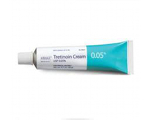
Tretinoin is available in various strengths and formulations, including creams, gels, and lotions, allowing for personalized treatment plans. The most common strengths prescribed are 0.025%, 0.05%, and 0.1%. The choice of strength often depends on the severity of the skin concern, the individual's skin type, and their tolerance to the medication. For instance, a dermatologist might start a patient with sensitive skin on a lower concentration, such as 0.025% Tretinoin Cream, and gradually increase it as their skin adapts. For more severe acne or significant signs of aging, a higher concentration might be recommended.
Commonly, Tretinoin is prescribed in dosages such as 10mg, though this often refers to the concentration within a specific formulation rather than a weight-based dosage in the way a systemic medication might be dosed. For example, a tube might contain a certain percentage of Tretinoin, and the amount used per application would be a pea-sized amount. It is crucial to follow your healthcare provider's specific instructions regarding the amount to use and the frequency of application. Overuse does not lead to faster results and can significantly increase the risk of irritation and other side effects. For those seeking to understand tretinoin strength, knowing these percentages is vital.
The different formulations – cream, gel, and lotion – also cater to different skin types. Creams are generally more moisturizing and suitable for dry or normal skin. Gels tend to be lighter and non-greasy, making them a popular choice for oily or acne-prone skin. Lotions offer a balance between the two. Your dermatologist or healthcare provider will help you select the most appropriate formulation and strength for your specific needs. Understanding how to use tretinoin correctly is as important as selecting the right dosage. Remember, Tretinoin is a prescription medication, and its use should always be guided by a qualified medical professional. Information on specific dosages, like 10mg, is usually tied to the formulation and prescription guidelines provided by your doctor.
Frequently Asked Questions About Tretinoin
Q1: How long does it typically take to see results with Tretinoin?
A1: Results can vary significantly from person to person. Generally, you may start to notice improvements in acne within 4-8 weeks, with more significant results appearing after 3-6 months of consistent use. For anti-aging benefits like wrinkle reduction and collagen stimulation, it can take 6-12 months or even longer to see the most pronounced effects.
Q2: Can I use other skincare products with Tretinoin?
A2: Yes, but with caution. It's advisable to use gentle, non-comedogenic (non-pore-clogging) skincare products. Avoid using other potentially irritating ingredients such as benzoyl peroxide, salicylic acid, or alpha hydroxy acids (AHAs) in the same routine, especially during the initial stages of Tretinoin use. Always moisturize well and use sunscreen daily. If you're wondering about tretinoin and other skincare products, it's best to consult your doctor.
Q3: Is Tretinoin safe for all skin types?
A3: Tretinoin is effective for a wide range of skin types, but it can cause irritation, especially in individuals with sensitive skin. Your doctor can help determine if Tretinoin is suitable for you and recommend the most appropriate strength and formulation. They might suggest starting with a lower concentration or using it less frequently if you have sensitive skin. For some individuals, the benefits might outweigh the potential for irritation, while for others, alternative treatments may be more appropriate.
Q4: Where can I buy Tretinoin?
A4: Tretinoin is a prescription medication. You can obtain it from a licensed pharmacy after consulting with a healthcare professional who can assess your skin condition and prescribe the appropriate strength and formulation. Many online pharmacies also offer prescription Tretinoin, but it is crucial to ensure they are legitimate and require a valid prescription. Searching for where to buy tretinoin online should always lead you to reputable and licensed sources.
Q5: What is the difference between Tretinoin and Retinol?
A5: Tretinoin is a prescription-strength retinoid that is already in its active form (retinoic acid) once applied to the skin. Retinol is an over-the-counter ingredient that the skin must convert into retinoic acid through multiple steps. This means Tretinoin is generally more potent and acts faster than retinol. While both are effective, Tretinoin typically delivers more dramatic results for conditions like acne and significant signs of aging.
Price and Where to Buy Tretinoin
The price of Tretinoin can vary depending on the brand, the strength, the formulation (cream, gel, lotion), and the pharmacy where it is purchased. As a prescription medication, the cost can also be influenced by your insurance coverage. Generic versions of Tretinoin are often more affordable than brand-name formulations like Retin-A Gel. When you receive a prescription from your doctor, they can often recommend generic options or inform you about cost-saving programs. Many individuals search for tretinoin price to budget for their treatment.
To purchase Tretinoin, you will need a valid prescription from a licensed healthcare provider, such as a dermatologist or a primary care physician. Once you have your prescription, you can fill it at your local retail pharmacy or through an online mail-order pharmacy. When considering online purchases, it is vital to ensure that the website is legitimate, requires a prescription, and is licensed to dispense prescription medications. Be wary of websites that offer Tretinoin without a prescription, as these products may be counterfeit or unsafe. Always prioritize your health and safety by obtaining your medication from trusted sources. Your doctor can guide you on the best and most cost-effective way to access your prescribed Tretinoin. Understanding tretinoin 0.05% cream price or other specific formulations can help you plan your treatment budget.
Take the First Step Towards Transformative Skin Today
Are you ready to finally achieve the clear, smooth, and youthful skin you've always desired? Tretinoin offers a scientifically proven path to addressing persistent acne, visible signs of aging, and uneven skin tone. Its powerful ability to accelerate cell turnover, stimulate collagen production, and regulate pigmentation makes it an unparalleled treatment for a wide range of dermatological concerns. Don't let skin issues hold you back any longer. The journey to healthier, more radiant skin begins with a simple, yet crucial, step: consulting with your healthcare provider.
Reach out to your dermatologist or doctor today to discuss whether Tretinoin is the right solution for your unique skin needs. They can assess your condition, prescribe the appropriate strength and formulation, and guide you through the process of using this remarkable medication safely and effectively. Imagine waking up to skin that is visibly clearer, smoother, and more vibrant. The transformative power of Tretinoin is within your reach. Take control of your skin health and embark on a journey to a more confident and radiant you. Your future self will thank you.
Conclusion: Tretinoin is a highly effective prescription medication for treating acne, reducing wrinkles, and improving overall skin tone and texture. With consistent use and proper guidance from a healthcare professional, it can lead to significant and lasting improvements in your complexion. Consult your doctor today to see if Tretinoin is the right choice for you and unlock your skin's true potential.