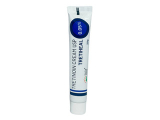
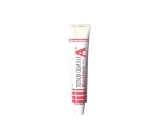
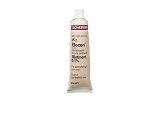
Unlock Radiant Skin: Discover How Tacrolimus Ointment Can Transform Your Life and Is The Best Cream For Atopic Dermatitis
General Information: Reclaiming Your Comfort with Tacrolimus 0.1%
Living with chronic skin conditions, especially atopic dermatitis, can be an incredibly challenging journey, impacting not just physical comfort but also emotional well-being and daily life. The constant itching, inflammation, and visible skin changes often lead to frustration, self-consciousness, and a tireless search for effective relief. For countless individuals, the promise of clear, calm skin feels like a distant dream, frequently interrupted by flare-ups that undermine confidence and disrupt sleep.
Amidst this struggle, a revolutionary solution has emerged, offering hope and tangible results: Tacrolimus. As a powerful calcineurin inhibitor, Tacrolimus 0.1% ointment represents a significant advancement in dermatological care, specifically designed to address the underlying causes of inflammatory skin conditions. Its unique mechanism of action sets it apart from traditional treatments, providing targeted relief without the long-term side effects often associated with corticosteroids.
This comprehensive promotional article will delve deep into the world of Tacrolimus, illuminating its benefits, safety profile, and how it can fundamentally change your relationship with your skin. We understand that choosing a medication is a significant decision, and our aim is to provide you with all the necessary information to feel confident and informed. Prepare to explore how this remarkable medication can restore comfort, confidence, and control over your skin health.
Tacrolimus is not merely a treatment; it is a pathway to renewed skin health and an improved quality of life. Specifically formulated as a 0.1% ointment, it offers a potent yet gentle approach to managing persistent skin inflammation. This medication falls under the "Skin Care" category, but its impact extends far beyond superficial treatment, addressing the immune response that drives conditions like atopic dermatitis. It's a non-steroidal option increasingly favored by dermatologists.
Problem Description: The Persistent Challenge of Atopic Dermatitis and Chronic Inflammation
Atopic dermatitis, commonly known as eczema, is far more than just dry skin. It is a chronic inflammatory skin condition characterized by intense itching, redness, dryness, and sometimes oozing or crusting lesions. This condition affects millions worldwide, from infants to adults, significantly impacting their quality of life. The relentless itch-scratch cycle can lead to skin damage, infections, and disturbed sleep, creating a vicious cycle of discomfort and frustration.
The visible nature of eczema can also take a heavy toll on mental and emotional health. Many individuals experience embarrassment, anxiety, and even depression due to their skin's appearance, leading to social withdrawal and diminished self-esteem. Everyday activities that most people take for granted, such as swimming or wearing certain clothing, can become sources of stress and avoidance. Finding effective, long-term relief remains a primary concern for patients.
Traditional treatments for atopic dermatitis often involve topical corticosteroids, which can be highly effective in reducing inflammation and itching during flare-ups. However, prolonged or improper use of corticosteroids can lead to various side effects, including skin thinning, stretch marks, changes in pigmentation, and even systemic absorption. This limits their long-term applicability, particularly in sensitive areas like the face or skin folds, leaving patients in a perpetual cycle of treatment and concern.
Patients are often left searching for alternatives, asking questions like "Is Tacrolimus a steroid?" because they are keen to avoid the drawbacks associated with steroid use. The need for a non-steroidal option that provides sustained relief without compromising skin integrity is paramount. Many individuals express a desire for treatments that can be used safely over extended periods, offering consistent management rather than just temporary suppression of symptoms. This search for gentle yet effective solutions is a common refrain.
The impact extends beyond the individual, affecting families and caregivers who witness their loved ones' discomfort and struggle to find solutions. The emotional and financial burden of managing chronic eczema can be substantial, underscoring the urgent need for safe, effective, and sustainable treatment options. The continuous search for relief highlights the profound desire for a medication that can offer genuine, lasting comfort and restore a sense of normalcy.
How The Medication Helps: The Targeted Action of Tacrolimus
Tacrolimus 0.1% ointment stands out as a groundbreaking non-steroidal option for managing atopic dermatitis, working through a sophisticated mechanism that directly addresses the immune system's overreaction in the skin. Unlike corticosteroids, which offer broad-spectrum anti-inflammatory effects, Tacrolimus specifically targets key pathways involved in the inflammatory cascade. This precision helps to normalize skin without the typical side effects associated with steroids.
The active ingredient in this remarkable medication, Tacrolimus, is a calcineurin inhibitor. When applied to the skin, it penetrates the affected areas and works by inhibiting calcineurin, an enzyme crucial for the activation of T-lymphocytes. T-lymphocytes are immune cells that play a central role in triggering and perpetuating the inflammation characteristic of atopic dermatitis. By blocking calcineurin, Tacrolimus effectively reduces the production of pro-inflammatory cytokines, which are signaling molecules that exacerbate redness, itching, and swelling.
This targeted action means that Tacrolimus suppresses the specific immune response that causes eczema flare-ups, rather than simply masking the symptoms. This offers a more fundamental approach to treatment, aiming to bring the skin's immune system back into balance. Patients often ask, "How does Tacrolimus work?" and understanding this calcineurin inhibition is key to appreciating its efficacy. It's not just a temporary fix; it actively modulates the skin's immune environment.
For individuals concerned about the long-term use of corticosteroids, Tacrolimus provides a welcome alternative. It allows for effective management of inflammation without the risk of skin atrophy, thinning, or other steroid-related complications, especially when used on delicate skin areas. This makes it particularly suitable for maintaining remission and preventing future flare-ups, offering a sustainable path to healthier skin. The desire for a "non-steroidal eczema cream" is perfectly met by this innovative treatment.
Many patients who have previously relied on steroid creams like Betnovate or Betamethasone find Tacrolimus to be a game-changer. While those medications are powerful, Tacrolimus offers a different path, one focused on immune modulation rather than broad suppression. Its ability to be used for longer periods makes it an excellent choice for chronic conditions. This distinction is crucial for those seeking a more holistic and less risky approach to their skin care.
Available Forms and Dosages: Precision in Treatment
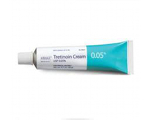
Tacrolimus is primarily available as a topical ointment, which is specifically designed for direct application to the skin. The formulation most commonly prescribed for atopic dermatitis is Tacrolimus 0.1% ointment. This concentration is carefully calibrated to deliver the optimal amount of active ingredient to the affected skin cells, ensuring effective suppression of inflammation without excessive systemic absorption. It's a precise tool for a precise problem.
The ointment base itself is formulated to be gentle and moisturizing, which is particularly beneficial for eczema-prone skin that is often dry and compromised. This dual action—providing therapeutic benefits while also supporting skin barrier function—enhances the overall effectiveness of the treatment. Understanding "Tacrolimus 0.1% ointment uses" extends beyond just active ingredient; it includes the vehicle's role in skin health.
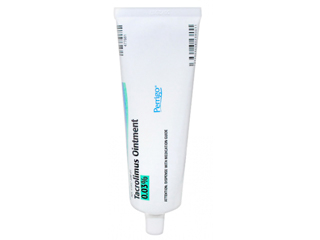
While this article focuses on the 0.1% strength, it's worth noting that lower concentrations, such as 0.03%, are also available and often prescribed for younger children or for milder cases of atopic dermatitis. However, for adults and more severe cases, the 0.1% ointment is typically the go-to solution. Always follow your doctor's specific recommendations regarding the concentration and frequency of use.
How To Use: Maximizing Efficacy with Proper Application
Proper application of Tacrolimus 0.1% ointment is crucial for achieving the best possible results and minimizing potential side effects. Always begin by washing your hands thoroughly before and after applying the ointment. This prevents contamination and ensures hygiene. The goal is to apply a thin, even layer directly to the affected areas of the skin, gently rubbing it in until it is fully absorbed. Do not use more than directed, as this will not increase effectiveness.
It is generally recommended to apply Tacrolimus twice a day, typically once in the morning and once in the evening, or as directed by your healthcare provider. The duration of treatment will depend on the severity of your condition and your response to the medication. Some individuals may experience a noticeable improvement within days, while others may require several weeks of consistent application to see significant results. Patience and adherence are key to success.
Avoid applying Tacrolimus to broken skin, open wounds, or areas that are infected, unless specifically instructed by your doctor. It is also important to avoid contact with eyes, nose, and mouth. If accidental contact occurs, rinse thoroughly with water. Additionally, during treatment, try to minimize exposure to natural or artificial sunlight, as Tacrolimus may increase skin sensitivity to UV radiation. Using sunscreen and protective clothing is advised. Many people search for "Tacrolimus application guide" to ensure they are using it correctly.
Do not cover the treated area with bandages, wraps, or other occlusive dressings unless your doctor specifically tells you to. Occlusion can increase the absorption of the medication and potentially lead to more side effects. Simply let the ointment absorb naturally into the skin. If you miss a dose, apply it as soon as you remember, but do not double the dose to catch up. Consistency is more important than perfect timing.
Remember, Tacrolimus is a prescription medication, and its use should always be guided by a healthcare professional. They will assess your specific condition, provide personalized instructions, and monitor your progress. Never self-medicate or share your medication with others. Your doctor is your best resource for understanding how to integrate Tacrolimus effectively into your skincare routine and address concerns like "Tacrolimus safe for face".
Benefits: A New Era of Skin Comfort and Confidence
The introduction of Tacrolimus 0.1% ointment has heralded a new era in the management of atopic dermatitis, offering a myriad of benefits that extend beyond mere symptom relief. Its non-steroidal nature is perhaps its most celebrated advantage, liberating patients from the concerns associated with long-term corticosteroid use. This fundamental difference paves the way for a healthier and more sustainable approach to managing chronic skin conditions, providing peace of mind to patients and their families.
One of the primary benefits is its targeted efficacy. Tacrolimus directly modulates the immune response in the skin, reducing inflammation at its source. This leads to a significant reduction in itching, redness, and dryness, often bringing rapid relief during flare-ups. Patients frequently report a noticeable improvement in their skin's appearance and texture, which translates into increased comfort and confidence. This precision is what makes "Tacrolimus cream benefits" so compelling for those with persistent eczema.
Furthermore, Tacrolimus is particularly effective in treating sensitive and delicate areas of the body, such as the face, neck, eyelids, and skin folds. These are areas where corticosteroids are often used with caution due to the risk of skin thinning. The ability of Tacrolimus to be safely applied to these vulnerable zones makes it an invaluable tool for comprehensive eczema management, allowing for full body comfort without compromise. Many individuals are searching for effective solutions that are also "Tacrolimus safe for face".
The medication's potential for long-term use is another significant advantage. Unlike corticosteroids, which are often recommended for short bursts of treatment, Tacrolimus can be incorporated into a maintenance regimen, helping to prevent future flare-ups and maintain remission. This proactive approach reduces the frequency and severity of eczema exacerbations, significantly improving the overall quality of life for individuals living with this chronic condition. This ability for sustained use is a major differentiator.
Improved quality of life is perhaps the most profound benefit. By effectively controlling the symptoms of atopic dermatitis, Tacrolimus allows individuals to engage more fully in daily activities without the constant distraction of itching and discomfort. Better sleep, reduced anxiety, and increased self-esteem are common outcomes, empowering patients to live more fulfilling lives. This holistic improvement makes Tacrolimus a truly transformative treatment. Consider how much this could change your daily routine.
The distinction between Tacrolimus and other topical treatments is important. While similar medications like Protopic (which is another brand name for tacrolimus) share the same active ingredient, understanding the broader landscape of treatments helps. For instance, Diprolene (betamethasone dipropionate) is a potent corticosteroid. While effective, it comes with different considerations for long-term use compared to Tacrolimus's steroid-sparing nature, offering patients more diverse therapeutic options.
Ready to experience the transformative benefits of Tacrolimus 0.1% ointment for yourself? Imagine a life with less itching, reduced redness, and greater comfort. Discuss Tacrolimus with your dermatologist today and take the first step towards reclaiming healthy, radiant skin. Your journey to lasting relief and renewed confidence begins now.
Safety and Side Effects: Understanding and Managing Your Treatment
As with any medication, it is important to be aware of the potential safety considerations and side effects associated with Tacrolimus 0.1% ointment. While generally well-tolerated, some individuals may experience certain reactions, particularly during the initial stages of treatment. Open communication with your healthcare provider is essential to ensure safe and effective use. They can help navigate any concerns regarding "Tacrolimus side effects long term".
The most common side effects reported with Tacrolimus include temporary burning, stinging, or itching at the application site. These sensations are usually mild to moderate and tend to decrease as the skin heals and gets accustomed to the medication. They often subside within the first few days or weeks of treatment. Redness, increased skin sensitivity to hot or cold temperatures, and folliculitis (inflammation of hair follicles) have also been reported.
Less common but more serious side effects can include skin infections (due to the immune-modulating effect), headaches, and flu-like symptoms. It is crucial to contact your doctor immediately if you experience any signs of a severe allergic reaction, such as rash, hives, difficulty breathing, or swelling of the face, lips, or tongue. Prompt medical attention is vital for any unexpected or severe reactions to the medication. Your doctor will weigh the benefits versus risks.
There has been some discussion regarding a potential link between topical calcineurin inhibitors, including Tacrolimus, and an increased risk of skin cancer (e.g., non-melanoma skin cancer and lymphoma). However, extensive research and reviews by regulatory bodies have concluded that the overall risk, if any, is very small and has not been definitively established in humans. Nevertheless, it is recommended to minimize exposure to natural or artificial sunlight while using Tacrolimus. Always use appropriate sun protection.
Tacrolimus is not recommended for use in individuals who are immunocompromised or who have certain skin infections, such as viral infections (e.g., herpes simplex) or bacterial infections, unless treated concurrently. Pregnant or breastfeeding women should discuss the risks and benefits with their doctor before starting treatment. Always inform your healthcare provider about all your current medications and medical history to ensure Tacrolimus is appropriate for you.
Your doctor will monitor your progress and can address any concerns you may have about side effects or long-term safety. Never hesitate to ask questions or report any unusual symptoms. Adhering to your prescribed dosage and application instructions is key to minimizing risks and maximizing the therapeutic benefits of Tacrolimus. A thorough understanding of its safety profile ensures peace of mind during your treatment journey.
Reviews/Social Proof: Real Stories of Transformation
The true measure of a medication's effectiveness often lies in the experiences of those who have used it. For Tacrolimus 0.1% ointment, the feedback from patients struggling with atopic dermatitis is overwhelmingly positive, painting a vivid picture of relief, comfort, and renewed hope. These testimonials serve as powerful social proof, demonstrating the tangible impact Tacrolimus has on improving quality of life. Many individuals actively seek "Tacrolimus reviews for eczema" to hear from others.
Sarah, a 35-year-old mother, shares, "I've battled eczema since childhood, and it seemed like nothing truly worked long-term. Steroids were a constant worry. My dermatologist prescribed Tacrolimus 0.1%, and within a week, the constant itching finally subsided. My skin isn't just better; it feels normal again. I can play with my kids without discomfort, and that's priceless." Her story highlights the significant relief from persistent symptoms that many experience.
Mark, a 50-year-old professional, recounts, "My eczema on my hands was so severe it impacted my work. I tried countless creams, but the flare-ups always returned. Tacrolimus changed everything. It's gentle enough for daily use, and I haven't had a major flare in months. The burning sensation during the first few days was minimal compared to the years of suffering. It truly delivered on its promise." This shows the consistent efficacy for chronic cases.
Emily, a college student, faced embarrassment due to facial eczema. "My face was always red and flaky, making me self-conscious. I was hesitant about using strong creams on my face. My doctor recommended Tacrolimus, emphasizing its safety for sensitive areas. The results have been incredible. My skin is clear, and I feel confident going out without layers of makeup. It's been a huge boost to my self-esteem." This illustrates its effectiveness in delicate areas.
These stories are just a few examples of the profound difference Tacrolimus 0.1% ointment can make. They underscore its ability to provide effective, long-lasting relief from the debilitating symptoms of atopic dermatitis, allowing individuals to regain control over their skin and their lives. The consistent message from users is one of gratitude for a treatment that offers both powerful results and peace of mind, free from steroid concerns.
The positive experiences shared by patients highlight why Tacrolimus is frequently considered a top choice for managing eczema. Its unique non-steroidal action resonates deeply with those who have long sought effective alternatives. These accounts provide compelling evidence of its capability to restore skin health, alleviate discomfort, and ultimately, enhance overall well-being. The relief from chronic itching and inflammation is a recurring theme in these compelling narratives of transformation.
Dosage: Precise Application for Optimal Results
The recommended dosage for Tacrolimus 0.1% ointment for adults and adolescents (typically 16 years and older) is a thin layer applied twice daily to the affected skin areas. It is crucial to apply only a small amount, just enough to cover the inflamed skin. Gently rub the ointment into the skin until it is absorbed. Always adhere strictly to your doctor's instructions regarding the quantity and frequency of application. More is not necessarily better, and proper dosage ensures safety.
For children aged 2 to 15 years, a lower strength of Tacrolimus ointment, typically 0.03%, is often prescribed. The application frequency remains similar, usually twice daily. It is imperative to consult a pediatrician or dermatologist for precise dosing instructions for pediatric patients, as their skin is more sensitive and can absorb medication differently. Never use the 0.1% concentration on children unless explicitly directed by a specialist. This precision ensures appropriate treatment.
Once your atopic dermatitis improves and symptoms such as itching, redness, and dryness subside, your doctor may advise reducing the frequency of application or switching to a maintenance regimen. This might involve applying Tacrolimus less often, for example, two to three times a week, to prevent future flare-ups. This proactive approach helps to maintain clear skin and minimize the need for more intensive treatment. Discussing "Tacrolimus for eczema" with your doctor is key.
It is important not to suddenly stop using Tacrolimus without consulting your doctor, even if your skin looks completely clear. Abruptly discontinuing treatment can sometimes lead to a rebound flare-up of symptoms. Your healthcare provider will guide you on how to gradually reduce the frequency of application or transition to other maintenance strategies, ensuring a smooth and sustained improvement in your skin condition. Follow up appointments are essential for this guidance.
Always remember that Tacrolimus 0.1% ointment is a prescription medication and should only be used under the supervision of a healthcare professional. They will determine the most appropriate dosage and duration of treatment based on the severity of your condition, your age, and your response to the medication. Never exceed the recommended dosage or apply it more frequently than prescribed, as this can increase the risk of side effects. Adherence leads to the best outcomes.
Price and Where to Buy: Accessing Your Path to Clearer Skin
The cost of Tacrolimus 0.1% ointment can vary depending on several factors, including the pharmacy, your insurance coverage, and the specific brand or generic formulation prescribed. As a prescription medication, Tacrolimus is typically available through pharmacies. Your healthcare provider will provide you with a prescription, which you can then fill at your local pharmacy or through an accredited online pharmacy. When considering "Tacrolimus cost," it's worth checking with your insurance provider.
It's always a good idea to check with your insurance provider to understand your coverage for Tacrolimus. Many insurance plans cover prescription medications, but co-pays and deductibles can vary. Some manufacturers or pharmacies may also offer patient assistance programs or discount coupons to help reduce out-of-pocket costs, making the medication more accessible. Inquire about these options when discussing your prescription with your doctor or pharmacist. Searching "Where to buy Tacrolimus ointment" often brings up local and online pharmacies.
For convenience, many accredited online pharmacies offer Tacrolimus with a valid prescription. When considering purchasing online, it is crucial to choose a reputable and licensed online pharmacy to ensure you receive genuine medication that is stored and dispensed correctly. Always look for certifications from regulatory bodies and check customer reviews. Be wary of websites offering prescription medications without requiring a prescription, as these may be unsafe or selling counterfeit products. This is especially true if you are looking to "Buy Tacrolimus online".
Remember that while convenience is important, the primary goal is to ensure you receive safe and effective treatment. Always consult with your doctor first to determine if Tacrolimus is the right medication for you. They can provide the necessary prescription and guidance on where to obtain it reliably. Your healthcare provider is your best resource for navigating the prescribing and purchasing process, ensuring you get the authentic product you need for optimal results.
Do not hesitate to discuss any concerns about the price or accessibility of Tacrolimus with your doctor. They may be able to suggest alternative formulations or programs to help manage the cost. Investing in your skin health with a proven treatment like Tacrolimus is an investment in your comfort and quality of life. Accessing the right treatment is a partnership between you, your doctor, and your pharmacy.
Frequently Asked Questions About Tacrolimus
Q1: Is Tacrolimus a steroid?
No, Tacrolimus is not a steroid. It belongs to a class of medications called topical calcineurin inhibitors. It works by specifically modulating the immune system in the skin, reducing inflammation without the risks of skin thinning or other side effects commonly associated with long-term corticosteroid use. This non-steroidal action is one of its key advantages for chronic conditions. This distinction addresses a very popular query: "Is Tacrolimus a steroid?".
Q2: How quickly does Tacrolimus work for eczema?
Many individuals begin to experience relief from itching and redness within a few days of starting Tacrolimus 0.1% ointment. Significant improvement in skin condition typically becomes noticeable within one to two weeks of consistent application. However, the exact time frame can vary depending on the severity of your eczema and your individual response to the medication. Continued use as prescribed helps maintain results. Patients often look for fast-acting "Eczema treatment options".
Q3: Can Tacrolimus be used on the face and other sensitive areas?
Yes, one of the significant benefits of Tacrolimus is its suitability for use on sensitive skin areas, including the face, neck, eyelids, and skin folds, where corticosteroids are often used with caution. Its non-steroidal nature makes it a safer option for these delicate areas, providing effective treatment without the risk of skin thinning. Always use it as directed by your doctor, especially on sensitive skin. Knowing "Tacrolimus for sensitive skin" is effective is reassuring.
Q4: What should I avoid while using Tacrolimus?
While using Tacrolimus, it is advisable to minimize exposure to natural or artificial sunlight (tanning beds) as it may increase skin sensitivity to UV radiation. Use sunscreen and protective clothing when outdoors. Avoid applying it to open wounds or infected skin unless directed by your doctor. Also, do not cover the treated areas with occlusive dressings unless specifically instructed. Discuss any other medications or concerns with your healthcare provider to avoid interactions.
Q5: Can I use Tacrolimus long-term?
Yes, Tacrolimus is designed for both short-term treatment of eczema flare-ups and for long-term maintenance therapy to prevent recurrences. Unlike corticosteroids, its non-steroidal mechanism allows for extended use without the associated risks of skin atrophy. Your doctor will provide specific guidance on your treatment duration and whether a maintenance regimen is appropriate for you. This answers the query about "Tacrolimus side effects long term".
Conclusion: Embrace a Future of Clear, Comfortable Skin with Tacrolimus
The journey with atopic dermatitis can be frustrating and debilitating, characterized by relentless itching, inflammation, and discomfort that impacts every aspect of life. For too long, individuals have sought relief through treatments that offered temporary solutions or came with undesirable long-term side effects. Today, with Tacrolimus 0.1% ointment, a new chapter of skin health and well-being is within reach, offering a powerful, non-steroidal alternative that truly transforms lives.
Tacrolimus represents a significant leap forward in dermatological care, providing targeted relief by addressing the underlying immune response responsible for eczema. Its ability to effectively reduce inflammation, soothe itching, and restore skin health, particularly in sensitive areas, sets it apart. Patients laud its efficacy, praising its capacity to deliver sustained comfort and renewed confidence, without the worries associated with traditional steroid creams. It truly is the best cream for atopic dermatitis for many.
From its precise mechanism of action as a calcineurin inhibitor to its proven benefits in improving quality of life, Tacrolimus offers a comprehensive solution for managing chronic eczema. While understanding its safety profile and potential side effects is important, the overwhelming evidence points to a well-tolerated and highly effective medication when used under medical supervision. The promise of living free from the constant burden of eczema is real, and Tacrolimus is helping countless individuals achieve it.
Don't let atopic dermatitis define your life any longer. Take the proactive step towards clearer, healthier, and more comfortable skin. Discuss Tacrolimus 0.1% ointment with your dermatologist today and discover how this innovative treatment can unlock a future where your skin is calm, your confidence is restored, and your daily life is no longer dictated by itching and inflammation. Your journey to lasting relief and radiant skin starts now.