A Catchy Headline: Discovering the Clear Skin Solution: Is Azelex 20% the Answer to Your Acne Woes?
Problem Description: The Frustration of Persistent Skin Conditions
Many individuals silently battle persistent skin conditions that significantly impact their self-esteem and quality of life. Acne vulgaris, characterized by pimples, blackheads, whiteheads, and sometimes deeper, painful cysts, affects people across all age groups, not just teenagers. Rosacea, another common affliction, presents as persistent redness, visible blood vessels, and sometimes acne-like breakouts, often leading to discomfort and social anxiety. Understanding the underlying mechanisms of these conditions is crucial for effective treatment. Acne involves abnormal shedding of skin cells, excess sebum production, and the proliferation of the bacterium Propionibacterium acnes. Rosacea, while having different triggers, shares the inflammatory component that makes the skin look visibly troubled. Many people spend countless hours searching for effective acne treatment, often trying numerous over-the-counter products with little lasting success. The journey to clear skin can feel long and disheartening when conventional methods fail to deliver consistent results. This is where targeted, prescription-strength treatments like Azelex step in, offering a potent alternative based on proven dermatological science. We recognize the deep-seated need for reliable solutions when dealing with these chronic issues.
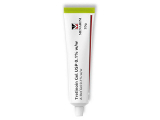
The frustration often compounds when people compare their skin to others or feel self-conscious during social interactions. Standard skincare routines, while important for maintenance, frequently lack the necessary therapeutic strength to tackle moderate to severe inflammatory conditions. We have seen patients cycle through various topical agents, some prescription-strength, others not, often leading to irritation or simply not addressing the core pathology. For instance, while retinoids like Tretinoin or formulations such as Retin-A Cream or Retin-A Gel are highly effective for acne by promoting cell turnover, they can sometimes cause initial dryness and sensitivity. Similarly, treatments targeting inflammation, like those containing corticosteroids such as Clobetasol 0.05% (though typically for more severe inflammation), need careful management. When searching for best topical treatment for rosacea, the focus shifts towards calming inflammation without inducing further irritation, presenting a unique therapeutic challenge that Azelex is specifically designed to meet.
How the Medication Helps: The Power of Azelaic Acid
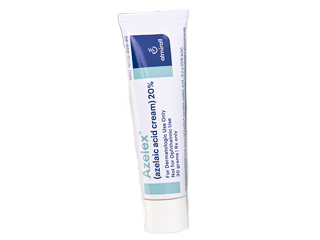
Azelex, with its active pharmaceutical ingredient Azelaic acid at a 20% concentration, operates through multiple, complementary mechanisms, making it a highly versatile and effective agent in skin care management. Azelaic acid is a naturally occurring dicarboxylic acid that possesses potent anti-inflammatory, antibacterial, and comedolytic properties. For acne, the antibacterial action is paramount: it significantly inhibits the growth of P. acnes bacteria within the hair follicles, reducing the primary driver of inflammatory lesions. Furthermore, its comedolytic effect helps normalize the abnormal keratinization process, meaning it stops the excessive clumping of dead skin cells that leads to the formation of microcomedones—the precursors to blackheads and pimples. This dual action addresses both the proliferation of bacteria and the physical blockage within the pore. If you are looking for azelaic acid 20% cream for acne, Azelex delivers this scientifically validated strength.
In the context of Rosacea, the mechanism is heavily reliant on Azelaic acid's profound anti-inflammatory capabilities. Rosacea is characterized by chronic inflammation of the facial skin. Azelaic acid effectively reduces the production of pro-inflammatory cytokines and neutralizes damaging free radicals in the skin tissue. This targeted reduction in inflammation is critical for minimizing the persistent erythema (redness) and flushing associated with the condition. Unlike some harsher treatments that might exacerbate redness initially, Azelaic acid soothes the underlying inflammatory cascade. While other anti-inflammatory agents exist, such as calcineurin inhibitors like Pimecrolimus or Tacrolimus (often used for eczema), Azelaic acid offers a distinct benefit for the specific inflammatory patterns seen in Rosacea coupled with its antibacterial benefits useful if pustules are present. This broad spectrum of action solidifies Azelex's position as a cornerstone therapy for various problematic skin states.
Benefits: Why Choose Azelex?
The advantages of incorporating Azelex (Azelaic acid 20%) into a patient's regimen are numerous and clinically significant. Firstly, its efficacy against both inflammatory and non-inflammatory acne lesions is well-documented, often providing noticeable improvement where milder treatments have failed. For rosacea sufferers, the consistent reduction in redness and the lessening of papules and pustules can lead to dramatic improvements in facial appearance and comfort. Another significant benefit, especially when comparing it to stronger retinoids like Tretiva or Tazarotene, is the generally better tolerability profile. While some initial tingling or mild irritation can occur, these side effects often subside as the skin acclimates, making long-term adherence easier for many patients. This balance between high efficacy and manageable side effects is a key selling point when discussing azelaic acid cream benefits with your healthcare provider.
Furthermore, Azelex offers a unique advantage in addressing post-inflammatory hyperpigmentation (PIH), which is the dark spotting left behind after acne lesions heal. Azelaic acid inhibits tyrosinase, the enzyme crucial for melanin production, thereby helping to fade existing dark spots and preventing new ones from forming as existing blemishes clear. This multifaceted approach—treating active breakouts, calming inflammation, and fading residual marks—streamlines the treatment process. Many dermatologists prescribe combination therapies, but the inherent ability of Azelex to cover multiple bases reduces the number of products needed in a daily routine. When patients look for alternatives to benzoyl peroxide which can be highly drying, the gentler yet powerful action of Azelaic acid in Azelex becomes highly appealing. The result is clearer, more even-toned skin achieved through a single, reliable topical application.
Safety and Side Effects: Understanding Your Treatment
As with any potent medication, understanding the safety profile and potential side effects of Azelex is essential for safe and effective use. The active ingredient, Azelaic acid, is generally well-tolerated. The most commonly reported side effects are localized skin reactions at the application site, which typically include mild to moderate stinging, burning, itching, dryness, or peeling, particularly during the initial weeks of treatment. These transient side effects are often a sign that the medication is working by increasing cellular turnover and addressing inflammation, and they usually diminish significantly as the skin adjusts over several weeks. It is vital to apply Azelex only to clean, dry skin, avoiding sensitive areas like the eyes, mouth, and mucous membranes. If irritation becomes severe or persistent, consultation with the prescribing physician is necessary, perhaps suggesting a temporary reduction in frequency.
It is important to note that Azelex is generally considered safe for long-term use when prescribed by a doctor, especially for maintenance therapy in chronic conditions like rosacea. Unlike some antibiotics or more aggressive hormonal therapies, Azelaic acid does not typically cause systemic side effects or widespread drug interactions. However, patients should inform their healthcare provider about all other topical and systemic medications they are using. For example, when considering treatments for hirsutism, some might look at Vaniqa (Eflornithine), but for pure inflammatory skin conditions, Azelex stands on its own merit. A key safety consideration for any topical prescription is sun protection; even though Azelaic acid does not inherently increase photosensitivity like some oral medications or strong retinoids (such as those related to Isotroin or Betamethasone and Fusidic Acid for inflammatory spots, only to find the condition rebounded severely once the steroid was stopped; Azelex offers a sustainable path forward. The transformation in self-perception reported by users whose skin has cleared is perhaps the most compelling proof. People report feeling more confident in unedited photos and less reliant on heavy makeup, a testament to the treatment’s efficacy in achieving a smoother, calmer complexion. Hearing testimonials about achieving clear skin after years of searching for what clears up cystic acne often validates the decision to start Azelaic acid therapy.
Social proof extends beyond individual stories to recognized dermatological endorsements. Azelaic acid has maintained its status as a first-line or adjunctive treatment in major dermatological guidelines for decades, indicating broad professional consensus on its utility. When professional bodies continue to recommend a specific active ingredient across different continents and clinical settings, it underscores reliability. The consistency of positive feedback regarding its ability to manage the erythema of rosacea—often a stubborn complaint—is particularly noteworthy. Patients often share their "before and after" journeys, highlighting the gradual but steady fading of deep-seated redness. This collective experience suggests that while results require patience, the outcome of using Azelex often exceeds expectations set by previous, less effective treatments.
Dosage and Administration: Maximizing Your Treatment Potential
Azelex is typically available as a 20% cream. Proper administration is critical to achieving the desired therapeutic outcome while minimizing potential side effects. The standard recommendation involves applying a thin layer of the cream to the affected areas of the face twice daily, once in the morning and once in the evening. Before application, the skin must be gently cleansed with a mild, non-irritating cleanser and thoroughly patted dry. It is crucial to use only the prescribed amount; over-application will not speed up results but is highly likely to increase skin irritation. Patients should be reminded that Azelaic acid works slowly, and visible improvement may take several weeks to manifest—often 4 to 8 weeks for noticeable changes in acne, and sometimes longer for significant rosacea improvement. This patience is key when trying to determine how long does azelaic acid take to work.
Adherence to the dosing schedule is paramount for success. Consistency ensures that the therapeutic levels of Azelaic acid are maintained in the target tissue, allowing its antibacterial, anti-inflammatory, and comedolytic effects to work synergistically. If a dose is missed, it should be applied as soon as remembered, unless it is nearly time for the next scheduled application; in that case, the missed dose should be skipped. Never double the dose to catch up. For individuals with very sensitive skin, a physician might initially recommend starting with once-daily application for the first week or two, gradually titrating up to twice daily application as tolerated. Always follow the specific instructions provided by your prescribing doctor, as they tailor the regimen based on your specific diagnosis and skin sensitivity profile.
If you are also using other active topical treatments, discuss the application order with your dermatologist. For example, if you are using a prescription topical antibiotic, the order of application matters immensely. If you are seeking guidance on what other products to use with Azelex, the general rule is to use Azelex as directed, and if another product is needed (like a gentle moisturizer or sunscreen), apply them at different times of the day or allow ample time—at least 30 minutes—for Azelex to fully absorb before layering other products.
Price and Where to Buy: Securing Your Supply of Azelex
The cost of prescription skincare can be a significant consideration for patients managing chronic conditions. The price of Azelex (Azelaic acid 20% cream) can vary widely based on several factors: your geographical location, the specific pharmacy you use, the presence or absence of insurance coverage, and whether you opt for brand-name versus generic formulations (although Azelex is the established brand name). We strongly encourage patients to check with their insurance provider regarding coverage for prescription dermatology treatments. Many individuals find that the investment in a proven, multi-action medication like Azelex saves money and time in the long run compared to continually purchasing numerous ineffective over-the-counter alternatives.
To obtain Azelex, a valid prescription from a licensed healthcare provider (such as a dermatologist or primary care physician) is required, as this is a prescription-strength medication. Once you have your prescription, you can fill it at any reputable local pharmacy. For those looking for cost-saving options or considering online purchases, ensure that any online dispensary is licensed and requires a valid prescription to ensure you are receiving genuine medication, especially when comparing prices against other prescription options like A-Ret or Tretiva. Understanding Azelex cost often involves a consultation with a pharmacist who can discuss generic substitution options if available and applicable in your region, or review manufacturer savings programs.
Do not compromise on the authenticity of your skin care regimen. Seeking out genuine, professionally prescribed medication is the safest route to achieving your skin goals. We recommend scheduling a consultation today to discuss if Azelex is right for you and to obtain the necessary prescription to begin treatment promptly.
Frequently Asked Questions (FAQ) about Azelex
Q1: Is Azelex suitable for sensitive skin types, especially those prone to redness?
A1: Yes, Azelex is often preferred for sensitive skin compared to some harsher topical treatments. While initial mild stinging can occur, its anti-inflammatory properties actively target the redness characteristic of rosacea and inflammatory acne. Many patients with sensitive skin find it significantly more tolerable than retinoids like Tazorac (Tazarotene) or strong benzoyl peroxide washes. Always introduce it slowly if you know you have highly reactive skin.
Q2: Can I use Azelex during pregnancy or while breastfeeding?
A2: Azelaic acid has a generally favorable safety profile, but its use during pregnancy or breastfeeding should always be discussed in detail with your obstetrician and dermatologist. While some data suggests it may be safer than many other acne medications, definitive safety in all scenarios is not fully established, and many providers prefer to err on the side of caution, perhaps suggesting alternatives or delaying treatment until after nursing, depending on the severity of the condition.
Q3: How does Azelex compare to over-the-counter Azelaic acid products (typically 10%)?
A3: The 20% concentration found in Azelex is prescription strength and significantly more potent than the 10% concentrations commonly available without a prescription. This higher strength allows for more robust and often faster therapeutic effects against moderate to severe acne and rosacea symptoms, providing a higher level of efficacy that OTC options cannot match.
Q4: If my acne clears up, do I need to stop using Azelex?
A4: Not necessarily. For many individuals, especially those with rosacea or a history of recurrent acne, Azelex is highly effective as a long-term maintenance therapy. Once the active lesions are controlled, your doctor may adjust the frequency of application (e.g., from twice daily to once daily) to maintain clear skin and prevent future flare-ups. Consistency is key to preventing relapse.
Conclusion — Embrace Your Journey to Clearer Skin
Azelex, harnessing the proven power of 20% Azelaic acid, stands out as an exceptional, multi-modal treatment option for individuals struggling with acne and rosacea. Its unique ability to simultaneously combat bacteria, reduce inflammation, normalize skin cell turnover, and even fade post-inflammatory marks provides a comprehensive solution that simplifies skincare routines while maximizing results. If you are tired of ineffective treatments and ready for a clinically validated path to smoother, calmer, and more even-toned skin, Azelex offers the reliability and efficacy you deserve. Stop searching for miracle cures and embrace a science-backed solution.
Take the definitive step toward achieving the complexion you desire. Consult your healthcare provider today to see if Azelex is the right prescription for your skin concerns and start your journey to lasting clarity.