Conquer Stubborn Skin Conditions: Discover the Power of Betamethasone 0.1% for Rapid Relief
Problem Description: The Frustration of Persistent Skin Inflammation
Millions worldwide suffer from chronic skin conditions that significantly impact their quality of life. Inflammatory dermatoses such as severe eczema, psoriasis, contact dermatitis, and various allergic skin reactions can manifest as persistent itching, redness, swelling, and pain. These symptoms are not merely cosmetic concerns; they often lead to sleep disruption, psychological distress, and reduced self-confidence. When standard moisturizers or mild treatments fail to provide adequate relief, individuals begin searching for potent solutions. Many have tried over-the-counter remedies without success, often leading to the question: where to buy potent topical steroids? The frustration mounts when symptoms flare up unexpectedly, demanding immediate and effective intervention. Understanding the underlying inflammation is the first step toward reclaiming comfortable, clear skin. If you are tired of dealing with relentless itching and visible signs of inflammation, it is time to explore clinically proven options. We recognize the urgent need for medication that works quickly and reliably. Some people explore alternative paths, perhaps looking into treatments like A-Ret for certain issues, but for pure anti-inflammatory action, a strong corticosteroid is often necessary. Searching for the best topical steroid for severe eczema is a common step for those facing debilitating symptoms.
The impact of these conditions goes beyond the skin surface. Chronic inflammation triggers a cycle of irritation and scratching, which can lead to secondary infections, thickening of the skin (lichenification), and significant interference with daily activities. Finding a treatment that can break this vicious cycle effectively is crucial. Traditional treatments can sometimes be slow to act or may not offer the necessary potency for resistant cases. This is where advanced prescription-strength options become indispensable. Our focus today is on a highly effective, well-established agent designed specifically to target severe inflammation at its source.
How the Medication Helps: The Mechanism of Action of Betamethasone
Betamethasone, specifically in its 0.1% concentration for topical application, belongs to the class of potent corticosteroids. Its primary function is to suppress the body’s inflammatory response in the localized area where it is applied. When applied to the skin, Betamethasone penetrates the epidermal and dermal layers, where it binds to glucocorticoid receptors within the cells. This binding initiates a cascade of molecular events that ultimately decrease the production and release of various inflammatory mediators, such as prostaglandins and leukotrienes. These mediators are responsible for the redness, swelling, and itching associated with conditions like psoriasis and severe dermatitis. By inhibiting their synthesis, Betamethasone rapidly calms the overactive immune response in the skin.
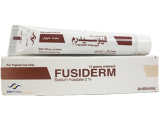
This powerful anti-inflammatory action is complemented by its potent vasoconstrictive properties. By narrowing the blood vessels in the affected area, it reduces erythema (redness) and minimizes fluid leakage, which contributes significantly to swelling. This dual action—suppressing cellular inflammation and reducing vascular symptoms—makes Betamethasone an exceptionally effective choice for acute flares and resistant chronic conditions. For patients who have struggled to find relief, understanding how fast does betamethasone work is reassuring; noticeable improvement often begins within days of consistent application. While other medications address different aspects of skin health, such as antibiotics like Fusiderm B (which often contains an antibacterial component alongside a steroid), Betamethasone’s strength lies in its targeted, potent steroid effect.
Benefits: Why Choose Betamethasone 0.1%?
The foremost benefit of using Betamethasone 0.1% is its high efficacy in managing severe, recalcitrant inflammatory skin conditions. Unlike milder over-the-counter hydrocortisone creams, the 0.1% strength provides the necessary potency to control conditions that have not responded to lower-potency treatments. Patients often report significant reduction in itching (pruritus) within 24 to 48 hours, which drastically improves sleep quality and overall comfort. Furthermore, its ability to quickly resolve redness and scaling makes it invaluable for clearing visible symptoms. Many dermatologists regard it as a first-line, high-potency option for conditions like moderate to severe plaque psoriasis or stubborn eczema flares. When comparing options, patients often search for betamethasone cream vs ointment benefits to determine the best vehicle for their specific skin type and area of application.
Another major advantage is its versatility. Depending on the formulation (cream, ointment, lotion), Betamethasone can be tailored for use on different body areas, including those with thicker skin (where ointments excel) or larger areas requiring faster absorption (where lotions might be preferred). Its established safety profile, when used as directed under medical supervision, provides peace of mind. For those managing chronic conditions, consistency is key, and having access to a reliable, potent treatment like Betamethasone streamlines their care routine. If you are concerned about systemic absorption, seeking guidance on using betamethasone on face safely is important, though its use is generally reserved for short periods on thin skin areas.
Safety and Side Effects: Responsible Use of Potent Corticosteroids
As a potent topical corticosteroid, Betamethasone 0.1% must be used responsibly to minimize the risk of side effects. The most common adverse effects are localized to the area of application and are usually dose- and duration-dependent. These can include skin thinning (atrophy), stretch marks (striae), easy bruising, burning, or stinging upon application. Long-term, continuous use, especially over large body surface areas or under occlusive dressings, increases the risk of systemic absorption, potentially leading to adrenal suppression, although this is rare with appropriate short-term use. It is vital to follow the prescribing physician’s instructions regarding the duration of treatment. If a patient requires prolonged therapy, physicians may cycle treatment or switch to a less potent agent, sometimes exploring alternatives like Protopic or Tacrolimus for long-term maintenance on sensitive areas, although these work via different pathways.
Patients should be aware of contraindications. Betamethasone should not be used to treat acne vulgaris, rosacea, or perioral dermatitis, as topical steroids can often exacerbate these conditions. Furthermore, if a patient notices signs of a fungal or bacterial infection that was not previously treated, they should consult their doctor, as applying steroids over an active infection can worsen it, potentially requiring the addition of an antimicrobial like Fulvicin or similar agents. Before starting treatment, always discuss your full medical history, including any history of glaucoma or diabetes, with your healthcare provider. Understanding how long can I use betamethasone cream is a critical safety measure that ensures maximum benefit without unnecessary risk.
Frequently Asked Questions (FAQ) Regarding Betamethasone
What is the difference between Betamethasone and Elocon?
Both Betamethasone and Mometasone Furoate (the active ingredient in Elocon) are potent topical corticosteroids, often grouped into the same potency class (Class 3 or 4 depending on the specific formulation and country classification). The key difference lies in their chemical structure and receptor binding affinity. While both are highly effective, individual patient responses can vary. Some patients find one formulation better tolerated or more effective for a particular condition than the other. Your doctor will prescribe the one they believe is best suited for your specific diagnosis and skin area.
Can I use Betamethasone interchangeably with Diprolene?
No. While both are potent topical steroids, Diprolene (which typically contains Clobetasol Propionate, a super-potent steroid) is often significantly stronger than standard Betamethasone 0.1%. Substituting one for the other without medical guidance is strongly discouraged due to the increased risk of side effects associated with the use of stronger agents like Clobetasol 0.05% or Temovate 0.05%. Always adhere strictly to the prescribed strength.
What if I run out and need a quick fix? Are there non-steroid alternatives?
While Betamethasone is highly effective, non-steroidal options exist for maintenance or milder cases. Calcineurin inhibitors like Tacrolimus are sometimes used. However, for acute, severe flares that characterize the need for 0.1% Betamethasone, non-steroidals may not provide sufficient immediate relief. If you are searching for alternatives to betnovate cream, your dermatologist will guide you, but be aware that switching prematurely might prolong your discomfort.
How does the vehicle (cream vs. ointment) affect Betamethasone absorption?
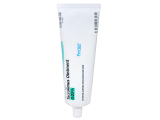
The vehicle significantly impacts absorption. Ointments are oil-based, creating an occlusive barrier that enhances penetration and hydration, making them generally more potent for dry, thick plaques (like in psoriasis). Creams are water-based emulsions, easier to spread over large or hairy areas, and less greasy, though slightly less potent than their ointment counterparts. Choosing between betamethasone cream vs ointment 0.1% depends on the target area and the nature of the lesion.
Reviews and Social Proof: Real Results with Betamethasone
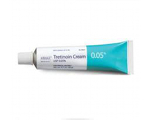
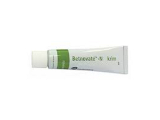
The enduring popularity of Betamethasone 0.1% is consistently validated by patient testimonials and clinical outcomes. Users facing severe psoriasis flares often report that after trying numerous treatments, including prescription retinoids like Tretinoin (which are sometimes used off-label for skin conditions but are not primarily anti-inflammatory), Betamethasone provided the breakthrough they needed. One common theme in feedback is the speed of relief from intolerable itching—a crucial factor for quality of life. Many long-term psoriasis sufferers note that having a reliable prescription for Betamethasone or its related formulations, such as Betamethasone valerate, allows them to manage their condition proactively rather than reactively.
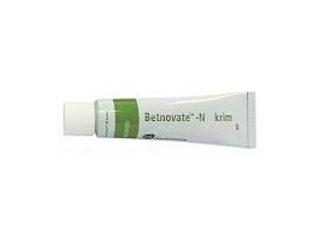
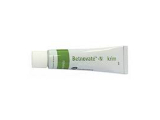
Dermatologists frequently recommend it because its efficacy is well-documented across decades of use. When seeking advice on what is betamethasone used for, the consensus in medical communities points towards its role as a powerful tool against resistant inflammation. Patients frequently share success stories detailing how weeks of debilitating skin issues resolved into manageable, clear skin after just a short course of treatment. This high rate of patient satisfaction underscores its position as a trusted medication in topical dermatology. We encourage prospective users to consult their physician to see if this proven medication fits their treatment plan. Betnovate, a common brand name for Betamethasone, is synonymous with reliable topical steroid therapy for many experienced users.
Dosage and Application: Maximizing Efficacy of Betamethasone 0.1%
The prescribed dosage for Betamethasone 0.1% is highly individualized based on the severity and location of the skin condition. Typically, it is applied thinly to the affected areas one or two times daily. The amount used is critical; a common guideline is the fingertip unit (FTU), which is the amount of cream or ointment extruded along the length of an adult’s index finger from the tip to the first crease. Generally, 2 FTUs are sufficient to cover an area equivalent to both sides of an adult's entire hand. Over-application does not speed up healing but significantly increases the risk of side effects. Always ensure the skin is clean and dry before application. For certain resistant plaques, physicians might recommend applying the medication and then covering the area with plastic wrap or a dressing (occlusion) to enhance penetration, but this must only be done under direct medical instruction.
For maintenance therapy or less severe areas, doctors might switch patients to a lower-potency steroid or suggest using Betamethasone less frequently, perhaps every other day, or switching to a product like A-Ret if the condition allows. When treating the face, neck, or skin folds, the treatment duration is usually kept very short—often less than two weeks—due to the thinness of the skin in these regions. Always wash your hands thoroughly after application unless the hands themselves are the target area. If you find yourself needing to apply it more than twice daily to achieve control, it is time to contact your prescribing physician, perhaps to discuss escalating to a stronger agent like Carmol Plus if available in your jurisdiction, or to review the underlying diagnosis, rather than increasing the frequency unilaterally.
Take this moment to review your current treatment plan. Is it providing the consistent, powerful relief you deserve? If the answer is no, Betamethasone 0.1% stands ready as a proven solution. Click here to consult with a specialist about getting a prescription for Betamethasone 0.1% today.
Price and Where to Buy: Accessing Your Relief
Accessing prescription medication like Betamethasone 0.1% requires a valid prescription from a licensed healthcare provider. The cost can vary widely based on insurance coverage, the specific brand name being used (as generics are often more affordable), and the pharmacy where you purchase it. Generic Betamethasone is generally cost-effective, especially when compared to some newer, non-steroidal specialty dermatological drugs. When comparing prices, always ensure you are comparing the same active ingredient, concentration (0.1%), and vehicle (cream or ointment). Some patients search for betamethasone ointment online without prescription, but given its potency and regulatory status, this is strongly discouraged due to risks associated with counterfeit or incorrectly stored medications.
We strongly advocate for purchasing your medication through licensed, regulated pharmacies, either locally or via verified online pharmacy services that require a prescription. This ensures the integrity, potency, and proper storage of the product. Furthermore, when sourcing treatment, always clarify if the price quoted includes the base medication or if it is for a specific branded formulation like Betnovate. Reliable sourcing guarantees that when you apply the medication, you are receiving the full therapeutic benefit that decades of dermatological use confirm.
Conclusion — Reclaim Your Skin Comfort
Betamethasone 0.1% is a cornerstone treatment for managing the significant discomfort and visible symptoms associated with moderate to severe inflammatory skin conditions. Its high potency effectively targets inflammation and itching, offering rapid and reliable relief where milder treatments have failed. From controlling severe psoriasis flares to calming stubborn eczema, its proven track record makes it an essential component in many dermatological regimens. By understanding the correct dosage, prioritizing safety, and sourcing the medication responsibly, you can harness the full therapeutic power of this effective topical corticosteroid. Do not let persistent skin issues dictate your daily life any longer. If you are seeking definitive control over inflammation and itching, Betamethasone 0.1% offers a path to clearer, more comfortable skin. Consult your physician immediately to determine if this potent solution is right for you and take the next step towards lasting skin health.