Skin Care
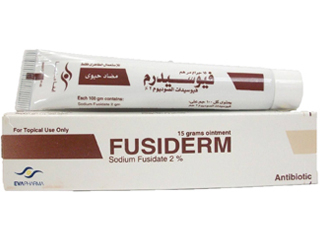
Fusiderm B
Active Ingredient: Betamethasone and Fusidic Acid
Fusiderm B — Description will be added later. Active ingredient: .
Active Ingredient: Betamethasone and Fusidic Acid
Fusiderm B — Description will be added later. Active ingredient: .
Welcome to a comprehensive exploration of Fusiderm B, a highly effective topical medication meticulously formulated to combat complex skin conditions where both inflammation and bacterial infection coexist. If you have been searching for best cream for infected eczema or struggling with persistent dermatological issues that resist single-ingredient treatments, you have found the right place. Fusiderm B represents a significant advancement in topical dermatology, combining the potent anti-inflammatory action of Betamethasone with the broad-spectrum antibacterial efficacy of Fusidic Acid. This synergistic combination ensures rapid relief from symptoms and effective eradication of the underlying infection, leading to visibly healthier skin. We understand the frustration and discomfort that accompany inflammatory, infected dermatoses, and we are here to present a solution trusted by healthcare professionals worldwide.
General Information about Fusiderm B
Fusiderm B is a prescription-strength topical preparation categorized under Skin Care, precisely because of its targeted action on the skin surface and underlying layers. Its active ingredients work in harmony: Betamethasone, a corticosteroid, swiftly reduces redness, swelling, and itching associated with inflammatory skin disorders like eczema or dermatitis. Fusidic Acid, a potent antibiotic, specifically targets Gram-positive bacteria, which are frequent culprits in secondary skin infections complicating underlying conditions. This dual action sets Fusiderm B apart from treatments that only address one aspect of the problem. When searching for corticosteroid antibiotic combination cream, Fusiderm B consistently ranks high due to its proven efficacy profile. Many individuals mistake their symptoms for simple irritation when, in fact, a bacterial overlay is preventing standard treatments from working, making a combination product essential.
Available Forms and Dosages
Fusiderm B is typically available as a cream, designed for optimal application and absorption onto affected skin areas. The standard strength formulation combines 0.12% Fusidic Acid with 0.05% Betamethasone (though specific regional concentrations may vary slightly, the common presentation often seen is Fusiderm B 2/0.12% in some contexts, referring to the base concentration elements). It is crucial to use the exact formulation prescribed by your physician. While other treatments exist, such as Temovate 0.05%, which is a potent steroid, or Fulvicin, an antifungal, they lack the specific antibacterial power combined with the anti-inflammatory effect found in Fusiderm B. Understanding the precise concentration is key to effective treatment, especially when comparing options or when users are looking up Fusidic Acid and Betamethasone cream price online. Always confirm the exact ratio prescribed for your specific condition.
Problem Description: When Inflammation Meets Infection
Many common skin ailments present a complex challenge. Conditions such as infected eczema, infected dermatitis, or infected insect bites involve two distinct but interconnected problems: inflammation and bacterial proliferation. Simple topical steroids, while excellent for reducing the body’s inflammatory response, do nothing to kill the bacteria that might be causing or exacerbating the issue. Conversely, antibiotics alone will not resolve the underlying inflammatory cascade causing the persistent itch and rash. This deadlock often leads to cycles of temporary improvement followed by flare-ups. If you have ever wondered how to treat bacterial skin infection with inflammation, the answer often lies in a combination therapy like that provided by Fusiderm B. Furthermore, some patients might initially try treatments meant for non-infected acne, such as Tretinoin Cream or A-Ret, only to find these retinoids ineffective or even irritating when a true bacterial infection is present.
How the Medication Helps: The Dual Mechanism of Action
The therapeutic genius of Fusiderm B lies in its meticulously balanced active components. Betamethasone valerate (the corticosteroid component) works by inhibiting the release of various inflammatory mediators, thereby reducing erythema (redness), edema (swelling), and pruritus (itching) within a matter of days. This immediate symptomatic relief is critical for patient comfort and compliance. Simultaneously, Fusidic Acid acts by interfering with bacterial protein synthesis, effectively halting the growth and multiplication of susceptible bacteria. This dual approach means that Fusiderm B tackles the root cause (infection) while managing the distressing symptoms (inflammation). For conditions like impetigo that has developed secondary to scratching an existing rash, this combination provides comprehensive care, far superior to using separate steroid and antibiotic creams sequentially, which can lead to application errors or delays in treatment initiation.
Benefits of Choosing Fusiderm B
The advantages of incorporating Fusiderm B into your dermatological regimen are numerous and tangible. Firstly, there is unparalleled convenience; applying one cream is simpler and more reliable than layering two different products. Secondly, and most importantly, there is enhanced efficacy. By simultaneously controlling inflammation and infection, the healing process is accelerated. Patients report significantly faster resolution of weeping, crusting, and severe itching compared to monotherapy. If you are looking for fast acting cream for infected skin, the empirical evidence supports Fusiderm B. Moreover, because the inflammation is controlled quickly, the compulsive need to scratch is reduced, which in turn prevents further mechanical damage and secondary infection—a vicious cycle broken by this powerful formulation. Consider the complexity of treating conditions where you might otherwise need both a steroid like Diprolene and a systemic or topical antibiotic; Fusiderm B offers a targeted topical solution.
For chronic sufferers, finding a reliable maintenance treatment can be difficult. While Fusiderm B is primarily for acute flare-ups, its ability to rapidly clear infection often allows the skin barrier to recover faster, reducing the frequency of future severe episodes. This is a distinct benefit when compared to treatments that only suppress inflammation without clearing the microbial load.
Safety and Side Effects Profile
As with any potent medication, understanding the safety profile of Fusiderm B is paramount. Because it contains a moderate-to-potent topical corticosteroid (Betamethasone), the primary safety concerns relate to overuse or application to large body surface areas for prolonged periods. Potential side effects, though generally uncommon when used as directed, include localized skin thinning (atrophy), telangiectasia (visible small blood vessels), or changes in skin pigmentation. Fusidic Acid itself is generally well-tolerated, though hypersensitivity reactions (allergic rash) are possible, requiring immediate cessation of use. We strongly advise against using Fusiderm B long-term without medical supervision, particularly on the face or in skin folds, where systemic absorption is higher. Patients should also be aware of potential resistance development if Fusidic Acid is used unnecessarily or for too long; hence, always follow the prescribed duration. If you are investigating side effects of Betamethasone and Fusidic Acid cream, remember that your doctor tailors the duration to minimize risk while maximizing benefit. Never use this product for simple acne unless specifically prescribed, as treatments like Aczone might be more appropriate for non-infected blemishes.
It is vital to note that Fusiderm B should not be used for viral infections (like herpes or warts) or fungal infections (unless the fungal infection is secondarily infected with susceptible bacteria). For conditions primarily requiring immune modulation without bacterial overlay, alternatives like Protopic might be considered by a physician.
Reviews and Social Proof: What Users Are Saying
The positive impact of Fusiderm B on patient quality of life is frequently reflected in user feedback. Many testimonials emphasize the rapid cessation of the unbearable itch, which is often the most debilitating symptom of infected dermatitis. Users frequently report that where weaker, over-the-counter creams failed after a week or more, Fusiderm B provided noticeable improvement within 48 to 72 hours. Searching for real reviews of Fusiderm B cream often surfaces stories of relief from chronic weeping lesions that had plagued individuals for months. This positive social proof underscores its reputation as a reliable go-to for acute, infected flare-ups. Furthermore, parents often share positive experiences regarding its efficacy on stubborn childhood skin infections where comfort and speed of action are non-negotiable priorities. When comparing efficacy against other combination products, users often highlight the specific benefit of the Fusidic Acid component against common skin pathogens.
Dosage and Administration Guide
Correct application is crucial for achieving the therapeutic effect of Fusiderm B while minimizing side effects. Generally, the cream is applied thinly to the affected area two or three times daily, or as directed by your prescriber. Before application, the skin should be gently cleansed and dried. Only a thin layer is required to cover the infected and inflamed patches. Do not bandage or cover the area tightly unless explicitly instructed by your doctor, as this increases the absorption of the corticosteroid. A common question we see is how long to use Fusiderm B cream; typically, treatment courses are short, often lasting between 7 to 14 days. Exceeding this duration significantly elevates the risk of corticosteroid-related side effects. If symptoms persist or worsen after 7 days, consult your physician immediately to reassess the diagnosis or consider alternative treatment strategies, perhaps investigating treatments like Clobetasol 0.05% if a stronger steroid is warranted, or checking for resistant bacteria.
Frequently Asked Questions (FAQ)
Q1: Can I use Fusiderm B if I have been prescribed a different topical steroid like Retin-A Gel for acne?
A1: No, you should not typically alternate or combine Fusiderm B with other topical treatments unless specifically instructed by your dermatologist. Fusiderm B is designed for acute infection and inflammation. Retinoids, like those used for acne, work via different mechanisms and combining them haphazardly can lead to severe irritation or counteracting effects. Always inform your doctor about all topical products you are currently using.
Q2: Is Fusiderm B effective against fungal infections?
A2: No. Fusiderm B is an antibacterial/anti-inflammatory combination. It is ineffective against true fungal infections (tinea). If you suspect a fungal infection, treatments like Podowart or specific antifungals are required. Misdiagnosing a fungal infection as bacterial and using Fusiderm B can sometimes allow the fungus to flourish unchecked.
Q3: I am looking for cheap Fusiderm B near me. What are the price considerations?
A3: Pricing for prescription medications like Fusiderm B varies significantly based on pharmacy, insurance coverage, and geographic location. Since it is a prescription item, the final cost will depend on whether you have met your deductible and which generic or brand-name equivalent is stocked. Always check with local pharmacies or use online prescription comparison tools to find the most affordable option once you have your prescription in hand.
Q4: Can I use Fusiderm B during pregnancy?
A4: Use of topical corticosteroids during pregnancy requires careful medical assessment. Betamethasone is categorized based on risk, and while lower potency steroids are often deemed safer, any use of potent topical steroids should be discussed thoroughly with your obstetrician and dermatologist. Systemic absorption needs to be minimal, so avoid large areas or prolonged use.
Price and Where to Buy
As Fusiderm B is a prescription medication, direct purchase without a valid prescription is not permitted and is illegal. Your journey to obtaining this powerful treatment begins with a consultation with a licensed healthcare provider who can properly diagnose your skin condition and confirm that the dual action of Betamethasone and Fusidic Acid is the correct therapeutic approach for you. Once you have your prescription, you can inquire about the Betamethasone and Fusidic Acid cream price at your preferred pharmacy. We encourage you to ask your pharmacist about potential generic substitutions, as these can sometimes offer substantial cost savings while providing the exact same active ingredients. While exploring options, some users might encounter information regarding oral antibiotics like Isotretinoin (often used for severe acne); remember that Fusiderm B targets localized external infections and inflammation, serving a very different clinical purpose.
Take Control of Your Skin Health Today! Do not let persistent, infected inflammation dictate your comfort and confidence any longer. Consult your physician today to see if Fusiderm B is the right prescription for achieving rapid, comprehensive relief.
Conclusion
Fusiderm B stands out as an essential tool in managing complex dermatological conditions complicated by bacterial overgrowth. Its unique, powerful combination of Betamethasone to quell inflammation and Fusidic Acid to eradicate infection offers superior speed and convenience compared to using separate treatments. From rapid itch relief to clearing stubborn bacterial crusting, this medication provides a pathway back to clear, healthy skin. Stop cycling through ineffective treatments and ask your doctor about leveraging the proven dual-action power of Fusiderm B for your current flare-up.
Call to Action: Schedule your appointment with a dermatologist this week to obtain your prescription for Fusiderm B and start your journey toward immediate relief and lasting skin health.
Isotretinoin
Isotretinoin
Betamethasone valerate
Azelaic acid
Betamethasone
Fluorouracil
Isotretinoin
Acarbose
Permethrin
Isosorbide
Atorvastatin
Isotretinoin
Rosuvastatin

Clobetasol
Isotretinoin
Letrozole