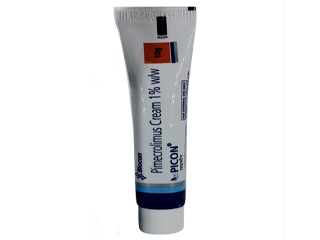
Skin Care
Pimecrolimus
Active Ingredient: Atorvastatin
Pimecrolimus — Description will be added later. Active ingredient: Atorvastatin.
Active Ingredient: Atorvastatin
Pimecrolimus — Description will be added later. Active ingredient: Atorvastatin.
Millions of individuals worldwide struggle daily with chronic inflammatory skin conditions, such as eczema (atopic dermatitis) and sometimes psoriasis, which significantly diminish quality of life. These conditions are characterized by persistent itching, redness, dryness, and scaling, often leading to secondary infections, sleep disturbances, and profound psychological distress. Finding an effective, long-term management solution that avoids the systemic side effects associated with prolonged corticosteroid use remains a primary concern for both patients and dermatologists. Many people search desperately for best treatment for severe eczema, hoping for a breakthrough that offers genuine relief without compromising overall health.
The frustration of cycling through topical treatments that either provide temporary relief or cause unwelcome side effects is immense. Traditional high-potency topical steroids, while effective in acute flare-ups, carry risks such as skin thinning (atrophy), stretch marks, and tachyphylaxis when used long-term. This often leads patients to seek alternatives, frequently asking their healthcare providers about options like Brand Temovate or perhaps exploring treatments like Betamethasone valerate for localized relief, only to find themselves back at square one when the prescription runs out or side effects appear. This persistent cycle highlights a critical need for sophisticated, targeted therapies.
Furthermore, conditions like seborrheic dermatitis or localized psoriasis, while sometimes treated with antifungals like Gresiofulvin or other specialized agents, still require modulation of the underlying immune response to achieve true remission. Patients often feel their skin condition dictates their social life and self-esteem. The constant worry about the next flare-up, or how to conceal persistent redness, underscores the severity of this dermatological challenge. Understanding that the skin barrier is compromised and the immune system is overactive is the first step towards finding a lasting solution, which is precisely where targeted immunomodulators like Pimecrolimus come into play.
Pimecrolimus, available in a convenient 1% concentration cream formulation, represents a significant advancement in topical dermatological therapy. It belongs to a class of drugs known as topical calcineurin inhibitors (TCIs). Unlike corticosteroids, which globally suppress the immune system in the skin, Pimecrolimus acts as a targeted immunomodulator. Its mechanism of action involves selectively inhibiting the activation of T-lymphocytes and the release of inflammatory cytokines, such as interleukins and interferons, which are the primary drivers of inflammation and the characteristic symptoms of atopic dermatitis.
Specifically, Pimecrolimus binds to a cytosolic protein called immunophilin, forming a complex that then inhibits the calcium-dependent phosphatase calcineurin. This inhibition prevents the dephosphorylation of the nuclear factor of activated T-cells (NFAT), thereby blocking the transcription of genes responsible for producing inflammatory mediators. By interrupting this critical signaling pathway at a precise point, Pimecrolimus effectively reduces inflammation, erythema (redness), and pruritus (itching) without causing the structural changes associated with topical steroids. This targeted approach makes it an excellent choice when exploring non-steroidal eczema treatment options.
The efficacy of Pimecrolimus is often compared to medium-potency topical steroids, but its safety profile, particularly regarding long-term use on sensitive areas like the face, neck, and skin folds, sets it apart. Dermatologists frequently choose Pimecrolimus when patients require maintenance therapy after initial control is achieved with stronger agents, or when steroid-sparing regimens are necessary. Patients who have experienced side effects from standard treatments, perhaps those who have tried Elocon and found it too strong for maintenance, often find the gradual, sustained relief provided by Pimecrolimus to be superior for their ongoing needs. This precise control over inflammation is what makes it a staple in modern dermatology.
The advantages of incorporating Pimecrolimus 1% cream into a skin care regimen are manifold, centered around efficacy, safety, and versatility. Firstly, its most celebrated benefit is the significant reduction in the hallmark symptoms of inflammatory skin conditions: itching and redness. Patients report a rapid decrease in the need to scratch, leading directly to improved sleep quality and a profound enhancement in overall quality of life. This immediate comfort is a major selling point for anyone suffering from unrelenting itch.
Secondly, and crucially, Pimecrolimus offers a superior safety profile for long-term management compared to traditional corticosteroids. Because it does not cause skin atrophy, striae, or telangiectasia, it is the preferred choice for treating delicate areas such as the eyelids, face, and intertriginous zones where skin thinning is a serious risk. If you are concerned about long-term topical steroid side effects, switching to Pimecrolimus provides peace of mind.
Thirdly, Pimecrolimus is highly effective as proactive or preventative therapy. Once the acute flare-up is controlled, using the cream twice weekly on previously affected areas can significantly reduce the frequency and severity of future exacerbations. This proactive dosing strategy moves the management paradigm from reactive crisis control to sustained wellness, a concept many patients are keen to adopt. This preventive approach differs significantly from treatments used for conditions like acne, where medications such as Tretinoin or Retin-A Gel primarily focus on cellular turnover rather than immune modulation.
Finally, its formulation as a cream allows for smooth, non-greasy application, which is easily absorbed and integrates well into daily routines. While some initial transient burning or stinging might occur upon application, this typically subsides with continued use, and it is a small price to pay for the ensuing relief. For those whose conditions necessitate ongoing daily attention, understanding how to use Pimecrolimus for maintenance is key to long-term success.
Patient safety is paramount when considering any prescription medication. Pimecrolimus 1% cream has undergone extensive clinical trials, establishing a well-defined and generally favorable safety profile. The most commonly reported side effect is a transient, mild-to-moderate sensation of burning or stinging upon initial application to the treated area. This usually occurs within the first few days of therapy and tends to diminish significantly or disappear entirely as the skin heals and the T-cell activity is suppressed. Patients should be advised to continue application even if this sensation occurs, as it is usually temporary.
Other less common side effects may include localized itching, warmth, or headache. Unlike some other topical treatments, such as those containing harsh solvents or high concentrations of active ingredients found in some preparations like Tretiva, Pimecrolimus is generally well-tolerated systemically because very little of the drug is absorbed into the bloodstream. This low systemic exposure is a major advantage over oral immunosuppressants.
A significant concern that has been raised regarding TCIs relates to potential long-term risks, including theoretical links to malignancy (skin cancers or lymphoma). However, extensive post-marketing surveillance, including large-scale epidemiological studies, has largely failed to establish a causal link between the topical use of Pimecrolimus (or its counterpart tacrolimus) and an increased risk of cancer when used as directed for inflammatory skin conditions. Regulatory bodies worldwide continue to monitor safety data closely, but current scientific consensus supports its use, especially when compared to the known risks associated with chronic, high-potency steroid use, or when considering alternatives for localized infections, such as those requiring Fusiderm B.
It is important to note that Pimecrolimus is contraindicated in individuals with a history of hypersensitivity to the drug. Patients should always inform their healthcare provider about all other medications they are using, including topical preparations like Elimite or Podowart, to ensure no contraindications exist. Always discuss potential side effects with your prescribing physician, especially if you are considering treatments for conditions like warts where topical agents differ vastly in mechanism, such as those involving salicylic acid or
Betamethasone valerate Betamethasone and Fusidic Acid Fluorouracil Tacrolimus Isotretinoin Isotretinoin Clobetasol Methoxsalen Clobetasol Rosuvastatin Acarbose Isotretinoin Permethrin Mometasone
Related Products
Betnovate
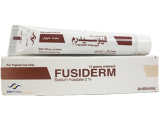
Betamethasone and Fusidic Acid
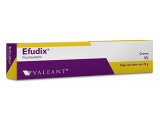
Efudex
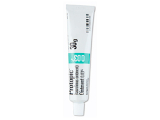
Protopic
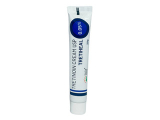
Renova
Isofair

Temovate 0.05%
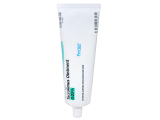
Tacrolimus

Oxsoralen

Clobetasol 0.05%
Tretinoin Cream
Betamethasone valerate
Tazorac
Tretiva
Elimite
Elocon