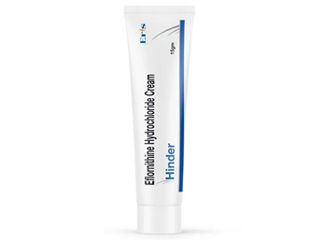
Skin Care
Vaniqa
Active Ingredient: Eflornithine
Vaniqa — description will be added later. Active ingredient: .
Active Ingredient: Eflornithine
Vaniqa — description will be added later. Active ingredient: .
Facial hair in women, medically known as hirsutism, is a far more common and distressing condition than many realize. It affects a significant portion of the female population, often leading to profound psychological distress, reduced self-esteem, and social anxiety. This unwanted hair, typically coarse and dark, frequently appears on the upper lip, chin, sideburns, and sometimes the neck or chest—areas where men typically experience significant growth. For many women, the daily routine becomes a tiring cycle of temporary fixes. Shaving can lead to irritation, razor burn, and stubble that often appears darker and coarser than before. Waxing and threading, while effective temporarily, are painful, time-consuming, and can sometimes cause ingrown hairs or skin irritation. Depilatory creams, while convenient, can be harsh on sensitive facial skin, leading to redness and allergic reactions. The search for a long-term, effective, and gentle solution often leaves individuals feeling defeated. Many turn to researching "how to get rid of female facial hair permanently" only to find options that are invasive, expensive, or provide inconsistent results. This persistent challenge demands a specialized, targeted dermatological solution, moving beyond conventional temporary removal methods.
The underlying causes of hirsutism vary, ranging from hormonal imbalances, such as those associated with Polycystic Ovary Syndrome (PCOS), to idiopathic causes where no clear underlying condition is found. Regardless of the etiology, the visible manifestation—the unwanted hair—is the primary source of frustration. While cosmetic procedures like laser hair removal offer a degree of permanence, they require multiple expensive sessions, are not universally effective across all hair and skin types, and often require ongoing maintenance. Furthermore, when considering options for severe acne alongside hair growth, some might look into treatments like Isotroin, but these address different primary concerns. The need is clear: a topical treatment that directly targets the hair growth cycle without the invasiveness of electrolysis or the high cost of repeated laser treatments. We understand the deep impact this has on daily life, which is why the introduction of a targeted prescription cream was a significant milestone in dermatological care. If you've been struggling with the cycle of removal, perhaps you've typed in "best topical treatment for female facial hair" looking for something genuinely different.
Vaniqa (Eflornithine Hydrochloride Cream 13.9%) is not a depilatory agent; it does not remove existing hair. Instead, it offers a sophisticated, targeted approach by working directly at the root of the problem: the hair follicle. The active ingredient, Eflornithine, is an irreversible inhibitor of an enzyme called ornithine decarboxylase (ODC). This enzyme is crucial in the synthesis of polyamines, which are essential for cell proliferation and, critically, hair growth. By inhibiting ODC, Vaniqa effectively slows down the metabolic activity within the hair papilla, dramatically reducing the rate of hair production. Think of it as gently turning down the volume on hair growth machinery located deep within the skin. This mechanism is unique compared to many other topical treatments you might encounter, such as those focused on treating inflammation or acne, like Betamethasone and Fusidic Acid or even Protopic, which target different biological pathways.
When applied correctly and consistently, Vaniqa penetrates the skin to reach the actively growing hair follicles. Over time—typically several weeks to a few months—this inhibition results in finer, lighter hair growth, and most notably, a significant reduction in the visible amount of unwanted hair on the treated areas. It is important to emphasize that this is a management therapy, not a cure for the underlying hormonal imbalance that might be causing the hirsutism. However, its efficacy in managing the visible symptoms is what makes it invaluable. Many patients initially use it alongside their existing hair removal routine (like shaving or waxing) to manage stubble between appointments, gradually finding they need to remove hair less frequently as the treatment takes hold. If you are concerned about "Vaniqa clinical trial results", rest assured, this product has undergone rigorous testing to prove its efficacy and safety profile when used as directed.
Vaniqa is exclusively available as a topical cream formulation, ensuring precise and localized application directly to the affected areas of the face. The standard and most effective concentration available is 13.9% Eflornithine Hydrochloride. This specific concentration is optimized for facial skin, balancing maximum efficacy with good tolerability. It is supplied in tubes, usually containing 30g or 60g of cream, intended for prescription use only. Unlike oral medications that circulate systemically, the topical application keeps the active ingredient concentrated where it is needed, minimizing systemic exposure. Patients should be aware that this is a prescription-only medication, meaning a consultation with a healthcare provider is mandatory before starting treatment, differentiating it from over-the-counter moisturizers or cosmetic creams. For those who have used strong topical steroids for other conditions, such as Clobetasol 0.05%, the application process for Vaniqa is straightforward but requires consistency.
The advantages of incorporating Vaniqa into a skincare regimen for hirsutism are numerous and directly address the shortcomings of conventional removal methods. Foremost among these benefits is the non-invasiveness. Application is simple, painless, and can be easily integrated into a daily routine. Unlike laser hair removal which requires dedicated appointments and significant upfront investment, Vaniqa is used in the comfort and privacy of your own home. Furthermore, it offers a measurable, continuous improvement. Users frequently report that within eight weeks of consistent twice-daily use, the hair appears visibly less dense and grows back slower. This translates into less time spent on frustrating removal techniques.
Another critical benefit is its compatibility with other treatments. You can continue to use your preferred method of hair removal—shaving, waxing, or depilatories—alongside Vaniqa. In fact, using Vaniqa concurrently often enhances the results of these methods by ensuring that newly emerging hair is weaker and finer. This contrasts sharply with treatments that might interfere with other topicals; for example, while some topical retinoids like Retin-A Cream are excellent for acne or anti-aging, concurrent use with certain other harsh chemicals might cause excessive irritation. Vaniqa generally has a favorable safety profile when used as directed. It provides a level of control over facial hair that topical management has rarely offered before. If you are researching "Vaniqa effectiveness vs laser hair removal", remember that while laser targets pigment, Vaniqa targets the biological process of growth itself, often providing an indispensable supportive role or primary treatment for those unsuitable for or averse to light-based therapies.
The emotional and psychological relief provided by Vaniqa cannot be overstated. Restoring confidence by managing a visible and often embarrassing condition is a profound benefit. When searching for "how long does it take for Vaniqa to work", patients should temper expectations—true results are gradual, reflecting the slow pace of hair growth cycles. However, the sustained improvement over months of use leads to a significant reduction in self-consciousness. For those sensitive to strong topical agents, Vaniqa is often better tolerated than aggressive prescription alternatives like Tazarotene, which are typically prescribed for conditions like psoriasis or severe acne.
As a prescription topical medication, Vaniqa has a well-defined safety profile established through extensive clinical trials. The most common side effects associated with Vaniqa use are typically mild and transient, often resolving as the skin adjusts to the medication during the initial weeks of therapy. The most frequently reported adverse events include skin irritation, stinging, burning, dryness, itching (pruritus), and sometimes mild rash or redness (erythema) at the application site. These symptoms are generally mild to moderate in severity. It is crucial to apply Vaniqa only to clean, dry skin and to avoid contact with eyes, mouth, nose, and other mucous membranes, as irritation in these areas can be significant. If you experience severe or persistent irritation, you should consult your prescribing physician, as they may recommend reducing the frequency of application temporarily.
Systemic absorption of Eflornithine from Vaniqa is very low, meaning the risk of systemic side effects is minimal. However, because it targets a fundamental enzyme, potential interactions or concerns regarding use alongside other medications must be discussed with a healthcare provider. While less common, other skin reactions might occur. If you have a history of sensitivity to other topical treatments, such as Pimecrolimus or certain medicated creams like Fusiderm B, it is important to mention this during your consultation. It is generally not recommended for use in conjunction with other topical medications on the exact same area unless specifically advised by your doctor. Furthermore, patients who have conditions involving the skin barrier integrity might need more cautious initiation. Patients often inquire about "Vaniqa side effects long term"; clinical data suggests that when used as directed, long-term side effects are uncommon, and the primary concern remains localized skin reactions. If you have sensitive skin and are worried about irritation, applying a gentle, non-medicated moisturizer about 15 minutes before or after Vaniqa application can sometimes help mitigate initial dryness or stinging.
Proper application technique is paramount to achieving the best results with Vaniqa. The standard dosage instruction requires applying a thin layer of the cream to the affected facial areas twice daily, approximately 8 hours apart—once in the morning and once in the evening. Before application, ensure the skin is thoroughly cleansed and dried. Gently massage the cream into the affected areas until it is fully absorbed. It is essential not to wash the treated area for at least four hours following application to allow sufficient time for the active ingredient to penetrate the skin and reach the hair follicles effectively. If you are using other facial treatments, particularly those containing strong exfoliants, retinoids, or bleaching agents (like Hydroquinone), ensure they are applied at different times of the day to avoid adverse reactions and maximize the effectiveness of Vaniqa. If you are currently using hair removal methods such as waxing or threading, these should be performed before applying Vaniqa, or you should wait a few hours afterwards, depending on your doctor’s specific advice regarding skin sensitivity post-removal.
Consistency is the cornerstone of successful management with Vaniqa. While some users might see initial improvements within four weeks, optimal results often take three to four months of continuous twice-daily use to manifest fully. Do not stop treatment just because you see some improvement; if you discontinue use, the hair growth rate will gradually return to its pretreatment state, usually within about eight weeks. Patients often search for "Vaniqa application tips for best results"; the key takeaways are: clean, dry skin; thin layer; twice daily; and avoid washing the area immediately after. Remember, Vaniqa manages hair growth; it does not remove existing hair, so you may need to continue temporary removal methods during the initial phase until the existing hairs have been naturally shed and replaced by slower-growing, finer ones.
The efficacy of Vaniqa is best illustrated by the positive experiences shared by countless women who have integrated it into their lives. Real-world feedback frequently highlights the transformative nature of regaining control over facial hair. Many reviewers emphasize that while the process requires patience—often noting that significant changes appear after the third month—the consistency of the improvement is what truly sets it apart from other methods. One common theme in patient testimonials is the reduction in the need for daily maintenance; women report needing to shave less frequently or that the visual appearance of stubble is almost entirely eliminated. This shift from constant removal to manageable maintenance is often cited as life-changing, significantly boosting daily confidence.
Anecdotal evidence strongly supports its role in combination therapy. Users who previously found laser treatments insufficient or too painful often find that Vaniqa addresses the residual, finer hairs that the laser missed. Furthermore, many express relief that it avoids the pitfalls associated with oral treatments for hirsutism, which can carry broader systemic side effects. While some mention the initial mild stinging, the overwhelming sentiment is that this minor discomfort is a worthwhile trade-off for the resulting smoothness. If you are still on the fence, looking for confirmation, perhaps you’ve typed "Vaniqa before and after pictures" online. While we cannot display images here, the consensus from long-term users confirms that the visible reduction in hair density and coarseness is substantial and sustainable with ongoing use. This treatment offers a reliable management strategy where temporary fixes often fail.
Because Vaniqa contains Eflornithine 13.9% and is classified as a prescription medication, its availability is strictly controlled. You cannot purchase Vaniqa over-the-counter. To obtain this medication, you must first consult with a licensed healthcare provider, such as a dermatologist or primary care physician, who can diagnose hirsutism and determine if Vaniqa is the appropriate treatment for your specific needs. Following a successful consultation, they will issue a prescription. Once you have the prescription, you can fill it at most reputable pharmacies, both brick-and-mortar and online prescription services that operate legally within your jurisdiction. Pricing for Vaniqa can vary significantly based on several factors, including the pharmacy, whether you use insurance coverage, and the size of the tube purchased (30g vs. 60g). It is highly recommended to check with your insurance provider regarding coverage, as prescription topical treatments can sometimes have significant co-pays. For those who are self-paying, comparing prices between local pharmacies and verified online prescription suppliers is advisable. When searching for "Vaniqa prescription cost", remember that you are investing in a specialized, targeted therapy designed specifically for this condition, which may carry a premium compared to general cosmetic creams. It is crucial to only purchase Vaniqa through legitimate, licensed sources to ensure product authenticity and safety. Do not be tempted by offers for unverified international sellers or non-prescription alternatives.
If cost remains a significant concern, discuss potential generic equivalents or patient assistance programs with your prescribing physician. While Eflornithine itself is the active ingredient, the specific formulation under the brand name Vaniqa is often the focus of patient inquiries. Exploring your options proactively ensures that this beneficial treatment remains accessible. Should you find that Vaniqa is not suitable, your doctor can explore other dermatology treatments, such as those for different skin concerns, perhaps considering alternatives for inflammatory conditions like Elimite or Oxsoralen, though these target entirely different issues. Always prioritize obtaining your prescription through official, regulated channels. We strongly recommend discussing all potential costs and coverage options before starting treatment.
Q1: Can Vaniqa be used on areas other than the face, such as the upper back or legs?
A1: Vaniqa is specifically formulated, tested, and approved for use on the face and neck area (under the chin). Its safety and efficacy have not been established for use on larger body areas like the back, chest, or legs. For treating hirsutism on the body, other treatments, often involving oral medications or different modalities, should be discussed with your physician. Attempting to use it off-label is generally discouraged until further clinical data supports it.
Q2: What happens if I miss a dose of Vaniqa?
A2: If you miss one application, apply it as soon as you remember, unless it is nearly time for your next scheduled dose. In that case, skip the missed dose and resume your regular twice-daily schedule. Consistency is key, but applying two doses close together will not increase efficacy and may increase the risk of localized irritation. Do not double up on doses.
Q3: Is Vaniqa a permanent hair removal solution?
A3: No, Vaniqa is not a permanent hair removal solution. It is a maintenance therapy that slows down the rate of hair growth and reduces hair density and coarseness by inhibiting the enzyme needed for follicle activity. If you stop using Vaniqa, the hair growth rate will gradually return to its baseline level over several weeks or months. For truly permanent reduction, procedures like electrolysis or laser hair removal are used, often in conjunction with Vaniqa for residual hair.
Q4: Can I use makeup immediately after applying Vaniqa?
A4: Yes, but only after the cream has fully dried and absorbed into the skin, which typically takes about 15 minutes. Ensure the skin is completely dry before applying any cosmetics, sunscreen, or other topical products to the treated area. Applying products too soon can dilute the medication or increase the risk of irritation.
Vaniqa (Eflornithine 13.9% Cream) stands out as a specialized, non-invasive, and highly effective prescription treatment designed specifically to combat the frustrating issue of unwanted facial hair in women. By targeting the hair growth mechanism directly at the follicle level, it provides a sustainable way to achieve finer, less visible hair and significantly reduce the frequency of necessary removal procedures. While patience is required, the clinical benefits—dramatically improved skin texture and restored confidence—make the commitment worthwhile. If you are tired of the endless cycle of shaving, waxing, and temporary fixes, and you are seeking a scientifically proven topical solution, Vaniqa offers a clear path forward. Stop searching endlessly for "is there a cream that stops facial hair growth"; the answer is here, prescribed by your doctor.
Take control of your skincare routine today. Consult with your dermatologist to see if Vaniqa is right for you and obtain your prescription. Embrace the possibility of smoother, more manageable skin tomorrow.
Permethrin
Diaminodiphenyl sulfone
Isotretinoin
Isotretinoin

Clobetasol

Clobetasol
Fluvoxamine
Tretinoin
Betamethasone
Atorvastatin
Betamethasone and Fusidic Acid
Gresiofulvin
Isotretinoin
Isotretinoin
Acarbose